MARIN MONTAGUT: IT’S ALWAYS PARIS

Words by Anna Maria Giano

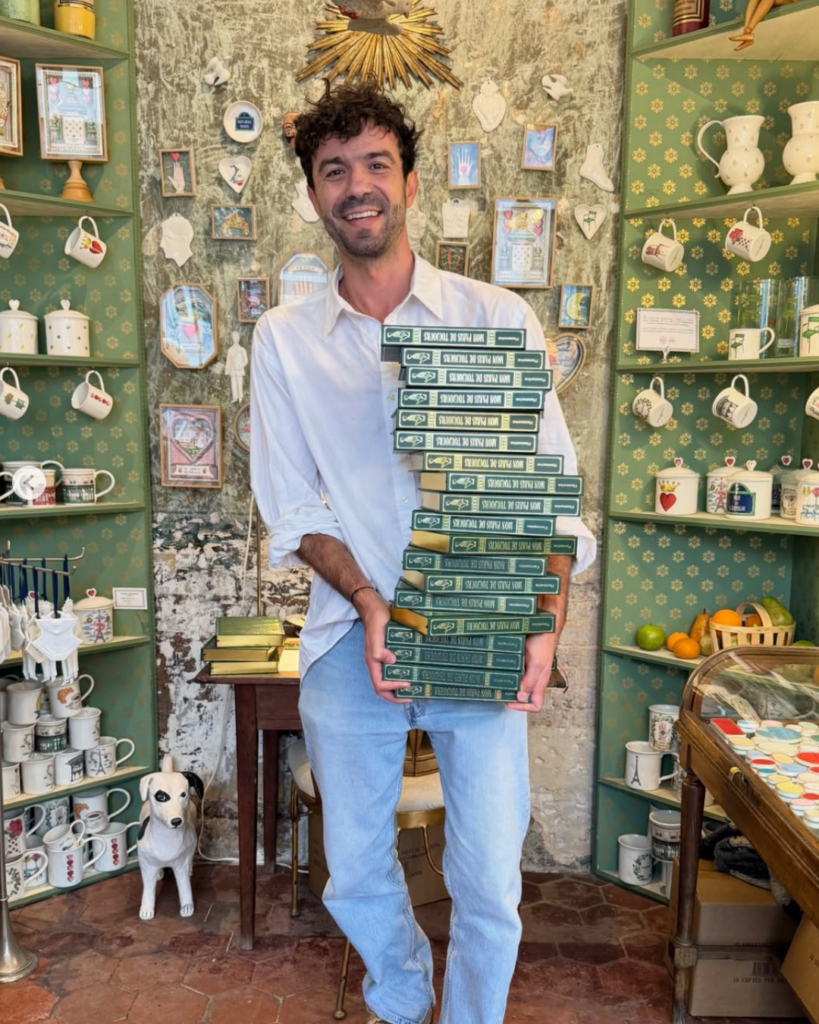
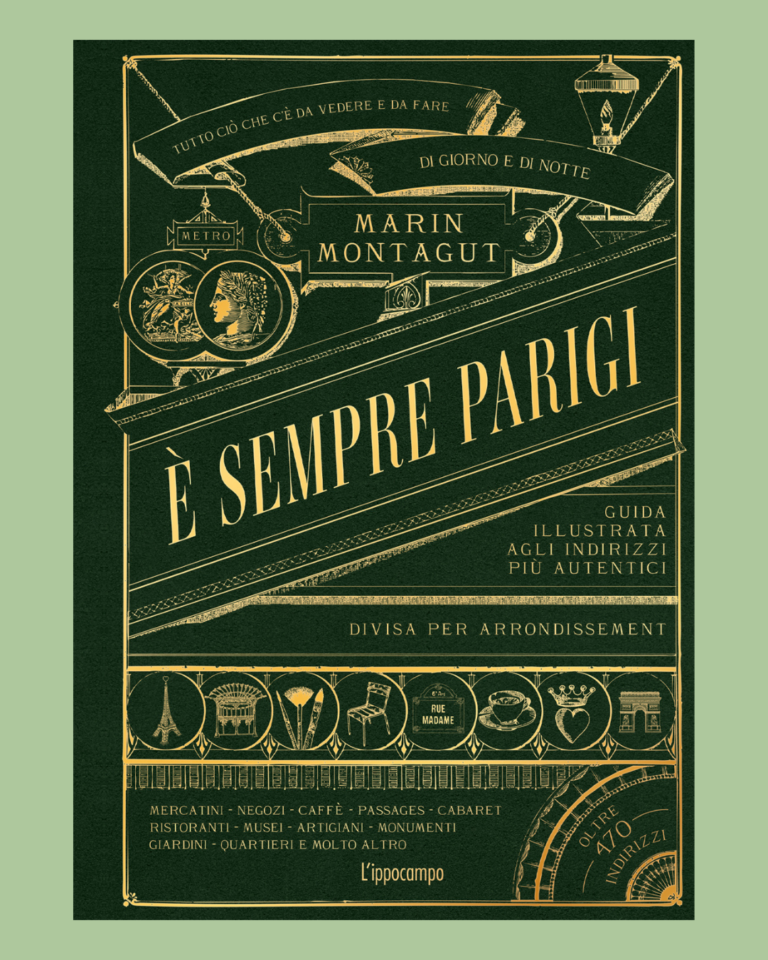
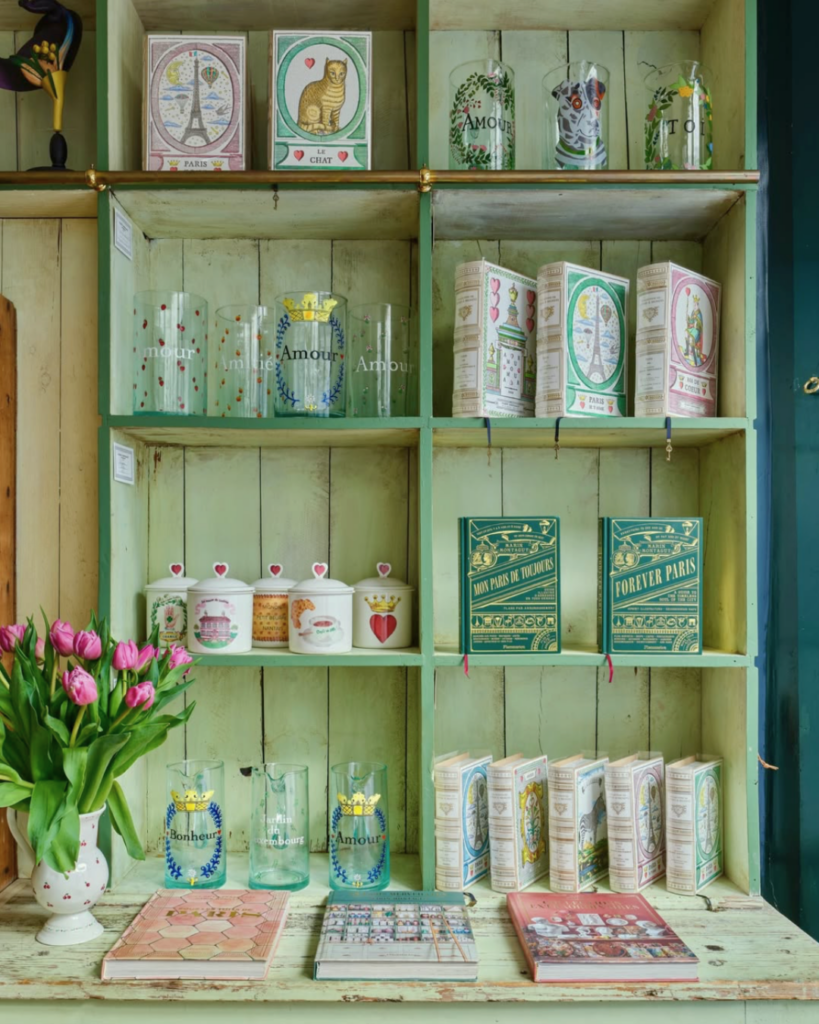
We had the pleasure of interviewing the creative Marin Montagut on the occasion of the Italian release of his book È sempre Parigi, published by Ippocampo, also available in French as Mon Paris de Toujours and in English as Forever Paris (both published by Flammarion), a love letter to Paris in nearly 500 addresses, watercolors, and stories worth preserving.

@MarinMontagut

You come from a family of antique dealers, and your grandmother was an artist and a free spirit. Which traits do you feel you inherited from your family, and which elements do you feel are uniquely your own?

I think I’ve inherited from my family a certain way of seeing things. An almost instinctive attention to objects, to their silent memory, to what they tell us once they’re no longer used. My grandmother passed on to me this essential freedom: never to separate art from life. 

What defines me, I believe, is the need to turn everything into a story. Where others see an object, I see a scene, an emotion, a narrative worth preserving and sharing.

So much of your work appears devoted to the afterlife of objects, the way a plate, a postcard, a painted screen may outlast the moment for which it was first intended. What, to your mind, grants an object its emotional durability?


An object becomes lasting when it has been loved. Not just when it’s been used, but when it has literally been touched by its owner’s affection. The patina that forms is what makes it unique. It tells its story, an intimate language of its own.

How do you approach the creative process behind your books, and this one in particular?

What kinds of books do you most enjoy collecting?

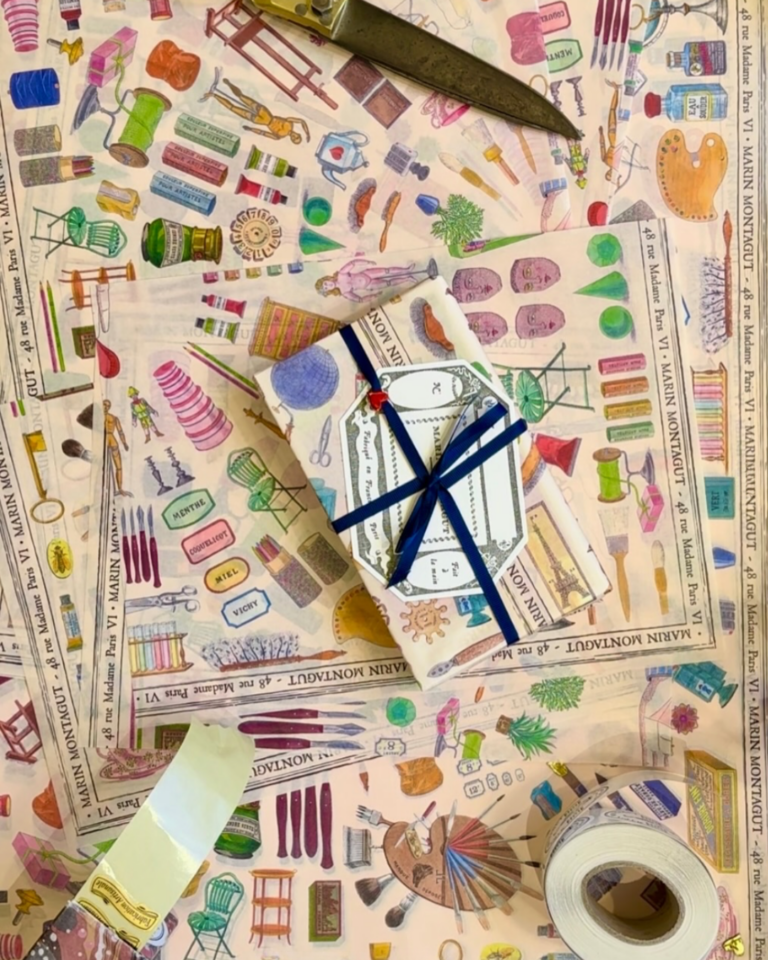
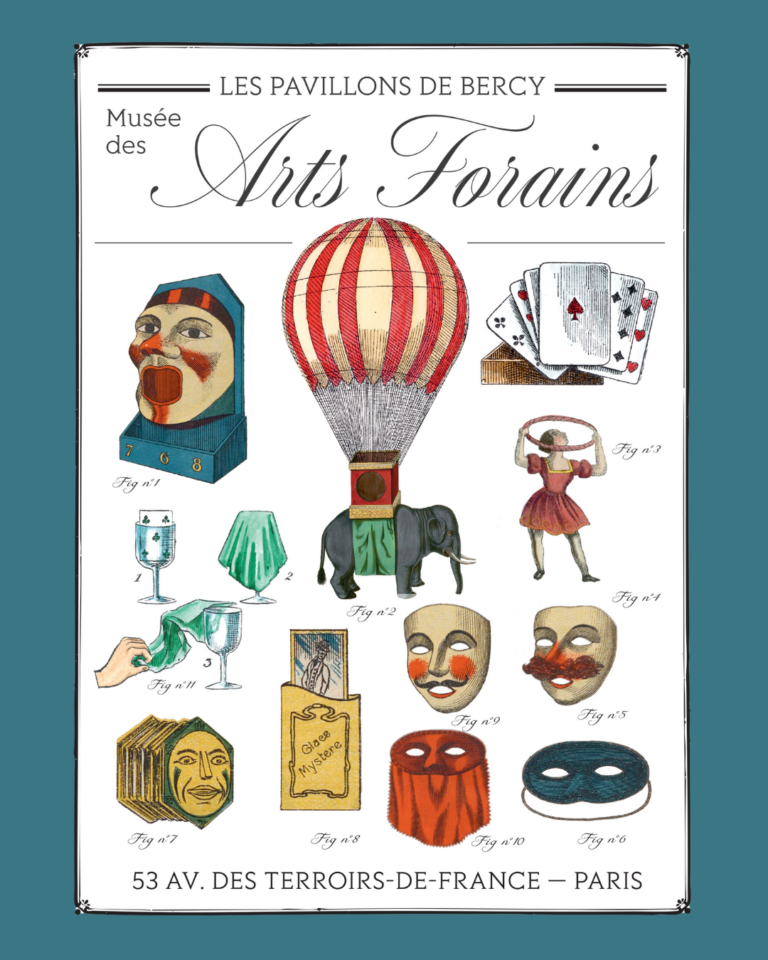
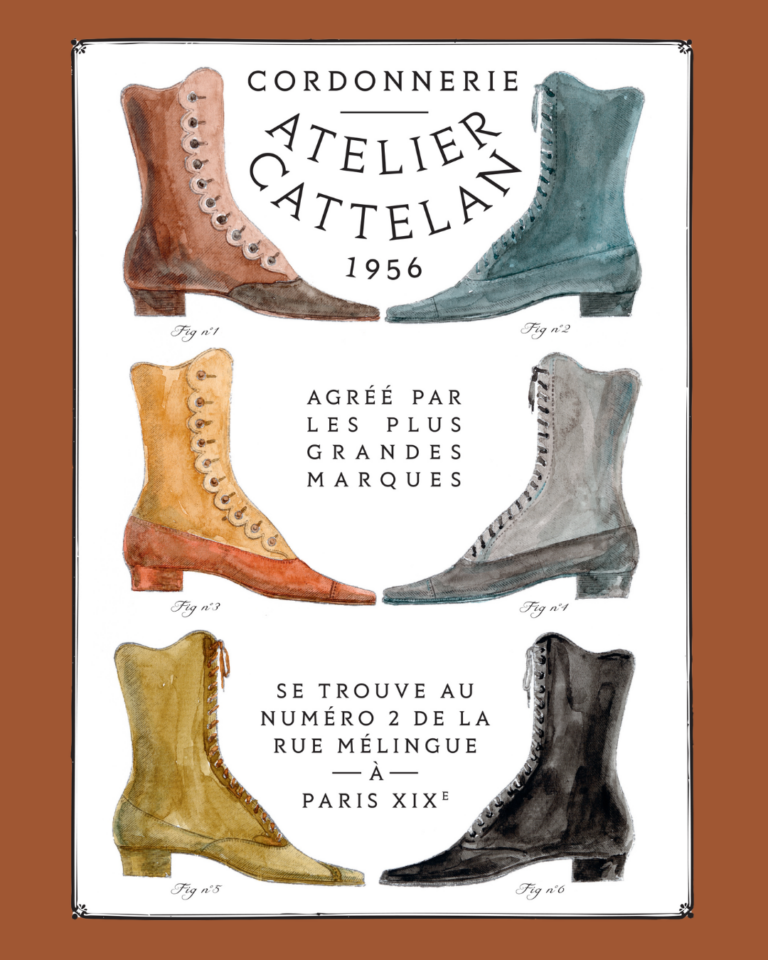
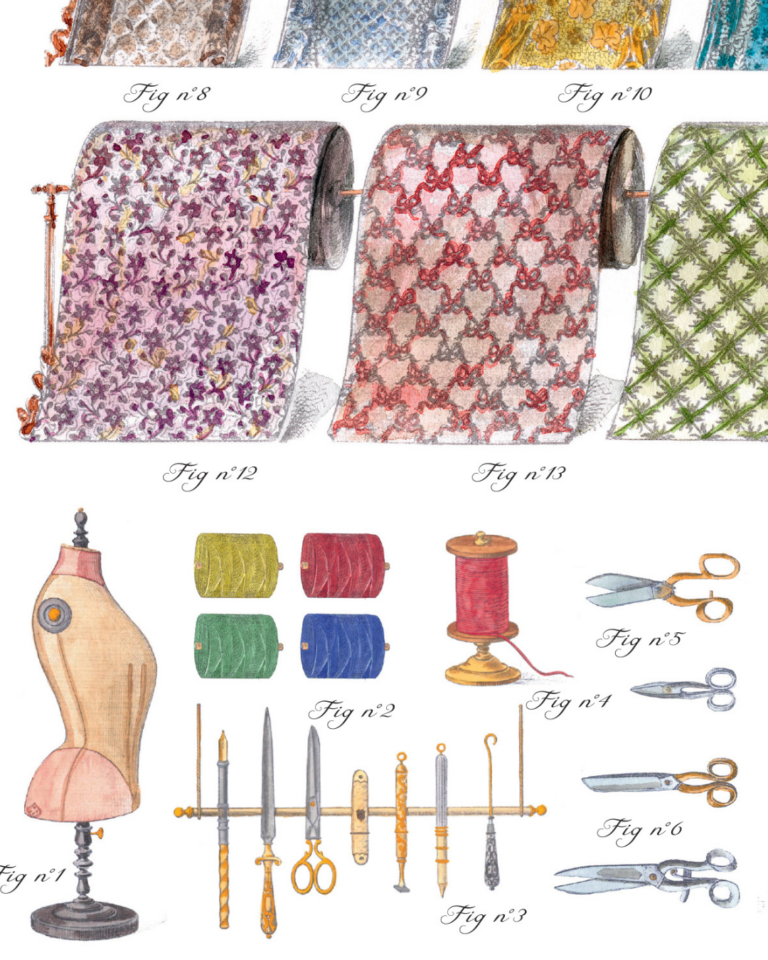
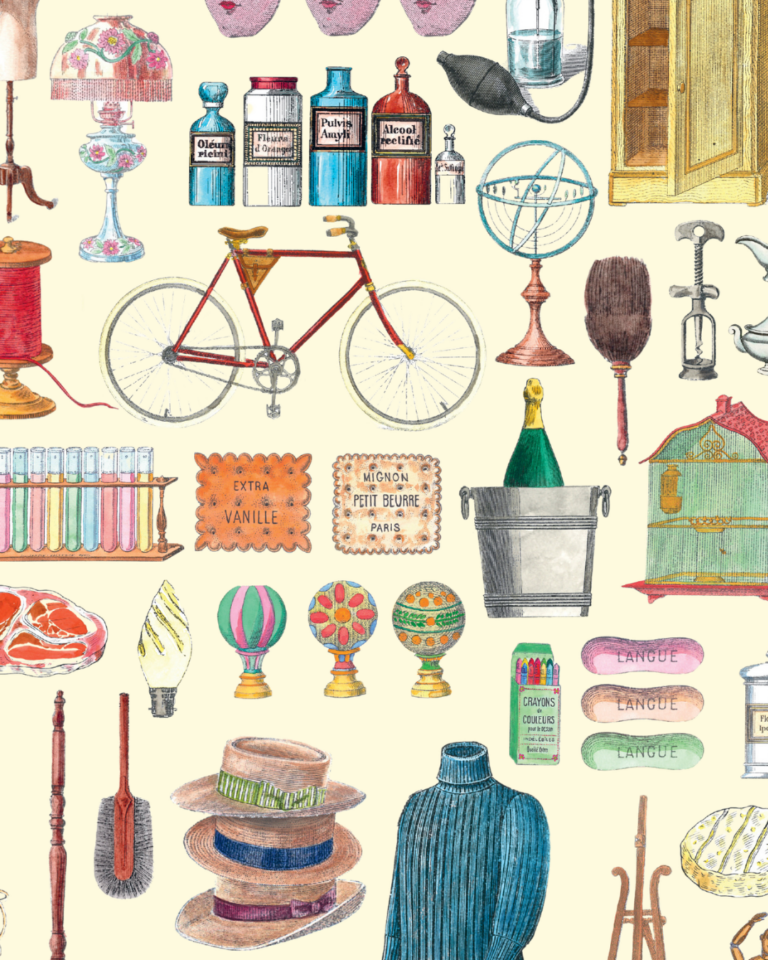
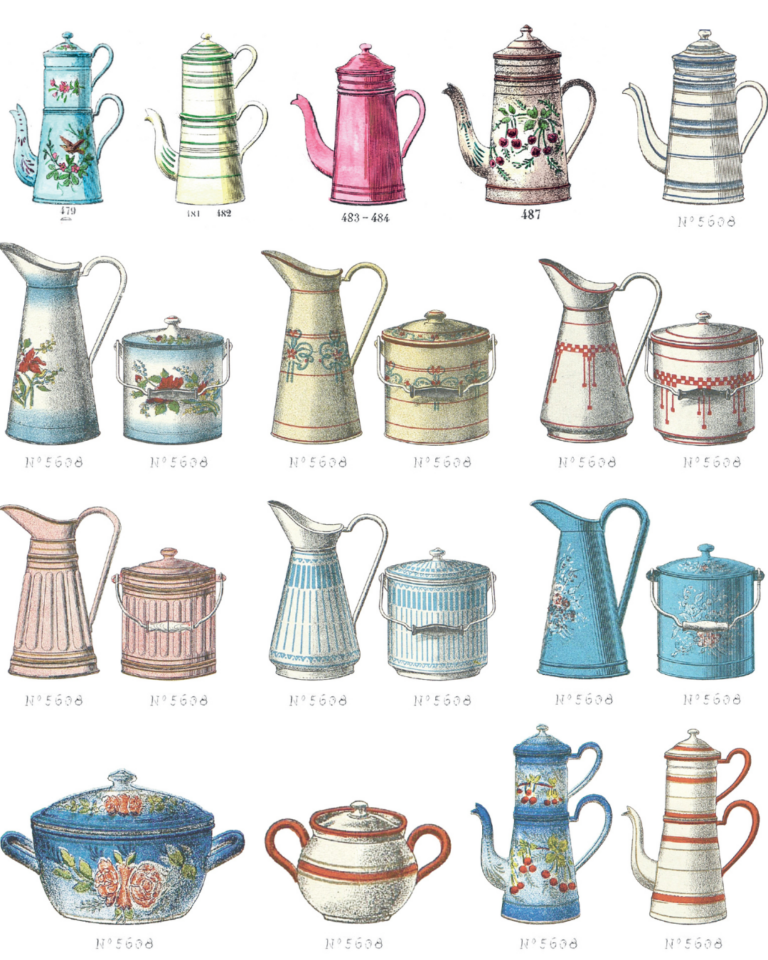
The book project came about quite naturally, in close collaboration with my French editor at Flammarion, Kate Mascaro. She’s originally from the United States and loves Paris as much as I do. We started by collecting addresses in the city that had more than thirty years of history. I then drew inspiration from late nineteenth-century commercial catalogues to reinterpret some of their color engravings, matching each place with one of my watercolors. Kate played an essential role in organizing the addresses and shaping them into a practical, intuitive structure.

For me, text and image are inseparable. The text opens a door; the image lets the light in. Together they create a space that’s neither entirely real nor completely imaginary.

Your interiors and objects suggest that beauty resides not in perfection, but in patina, oddity, and affectionate asymmetry. What kinds of imperfection do you find most eloquent?

I love imperfect objects, those that have survived time or bear visible traces of repair. A crack, a cut, an asymmetry… they’re all beautiful signs of a lived life. That’s why I’m so drawn to objects of folk art and art brut, pieces made by anonymous creators…

Paris has always been your travel companion — a witness to, and a source of inspiration for, your work. In your latest book, “É sempre Parigi” published by Ippocampo, you bring together nearly 500 special, unusual, and authentic addresses across the Ville Lumière — from shops, cafés, and flea markets to museums, gardens, and cabarets.

Paris has been the setting for countless films and books. Are there any that, in your opinion, truly capture the spirit of the city?

I’m not sure it’s really possible to capture the spirit of Paris. That’s what makes it so fascinating, the special bond the city builds with those who visit it. When I arrived in Paris at nineteen, I immediately felt that it’s those who choose to adopt it as their ville de cœur who forge the most genuine connection with it. Many foreign directors and writers have captured it with great sensitivity, like Stanley Donen in Funny Face, with Audrey Hepburn and Fred Astaire.

Anne Claire Herault

One senses in your work a particular tenderness for the domestic realm, not as a site of routine, but as a stage for reverie. What does the home allow the imagination that the outside world does not?

A home, for me, is like a small inner theatre. It’s a refuge, a place where the world slows down and our most intimate stories unfold. Outside, everything moves. Inside, everything narrates.

Tell us about your homes — the ones in Paris and Normandy. What creative process did you use to decorate them? Is there a room that you particularly love? Could you share an anecdote about a special object that adorns these houses?

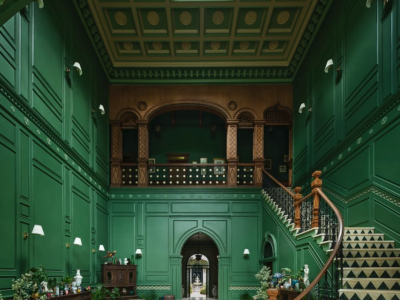
My homes in Paris and Normandy have very different rhythms. The one in Paris is urban, dense; the one in Normandy is open, bathed in light and silence. My studio there used to be completely white, flooded by the light from

a large window overlooking the garden. When I moved in, I felt an urge to transform it, to paint it entirely green, to turn it into a creative cocoon, a place where I could feel protected from the stress of Paris I was leaving behind.

If you were asked to compose, in a single room, the most faithful self portrait of your imagination, what indispensable elements would have to be present?

My ideal space for imagination would definitely be a treehouse. I’ve always dreamed of living in one, or turning one into an atelier. A cozy place with a small wood stove, English-style décor with tartan curtains, and a freestanding bathtub. My ultimate dream.

Your practice moves so gracefully between decoration, drawing, design, publishing, and collecting that one begins to suspect these are merely different costumes for the same sensibility. Do you experience them as distinct disciplines, or as variations on a single language?

In France, people tend to label others by a single profession. That’s why, as a child, I would simply say that I wanted to work “in the arts,” without ever feeling the need to limit myself to one job for life. It seems so boring to devote yourself to only one thing!

@MarinMontagut

Today, all my passions feel connected by the same thread. I started collecting antiques, which feed my inspiration and push me to create. I write books to highlight the artisans I work with, those who bring my objects to life. I paint watercolors to extend that same world. I love telling stories through videos I share on Instagram. In the end, everything is connected.

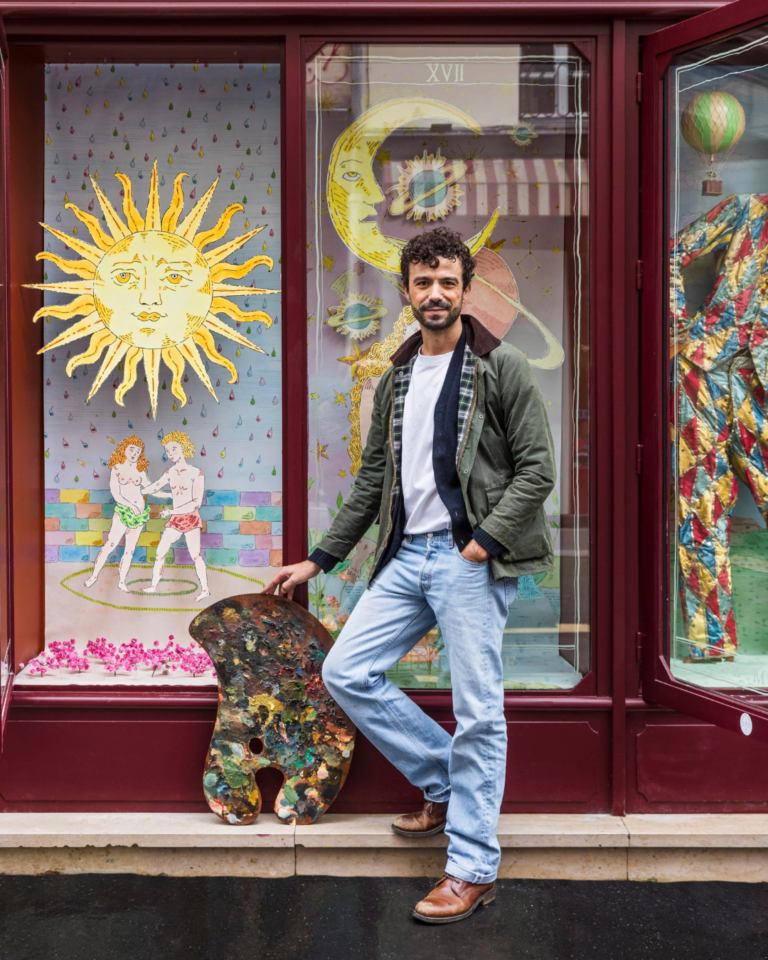
You’ve already collaborated with a hotel, Le Grand Mazarin, in Paris. You crafted for them a unique decoration: a life-size installation of a tarot deck that transformed the hotel’s windows into a kind of open theatre of symbols. Does the act of drawing change its nature for you, becoming closer to stage design, scenography, perhaps even a form of urban storytelling? Would you like to embark on a hotellerie adventure again? What are your favorite things about your hotel stays during your travels?

Le Grand Mazarin was the first project where I designed on a real-life scale. My travels are my greatest sources of inspiration, and I attach special importance to those in-between moments, the places where I take time to draw. What do I love most about hotels? Breakfast from room service. And my dream would be to decorate an entire hotel one day, to immerse myself completely in my world.

Nostalgia is often treated with suspicion, as though it were merely indulgent. Yet your work gives it intelligence, wit, and form. What kind of nostalgia, if any, do you believe is worth defending?

I don’t believe in nostalgia tied to regret or the idealization of the past. What interests me is a living nostalgia, looking back to better understand what deserves to be passed on, reinvented, or simply observed with care. A kind of nostalgia that gives value to gestures, savoir-faire, everyday details that risk disappearing over time. If I had to defend any nostalgia, it would be the one that lights up the present, not one that makes us go backwards, but one that keeps what truly mattered alive.

Your work suggests that decoration can be a way of thinking, even a way of remembering. Do you believe taste can function as a form of autobiography?

Having grown up with parents and grandparents who were antique dealers, I can say that taste runs in the family, passed down from generation to generation. Our choices reveal everything about us: the colors we’re drawn to, the objects we refuse to part with, the things that belong to us. Taste is an embodied memory. In decoration, a space is composed like a collection of memories. What I love is that this autobiography is never sealed. It evolves over time, just as we do.

Are there any other artistic disciplines you would like to explore and deepen in the future?

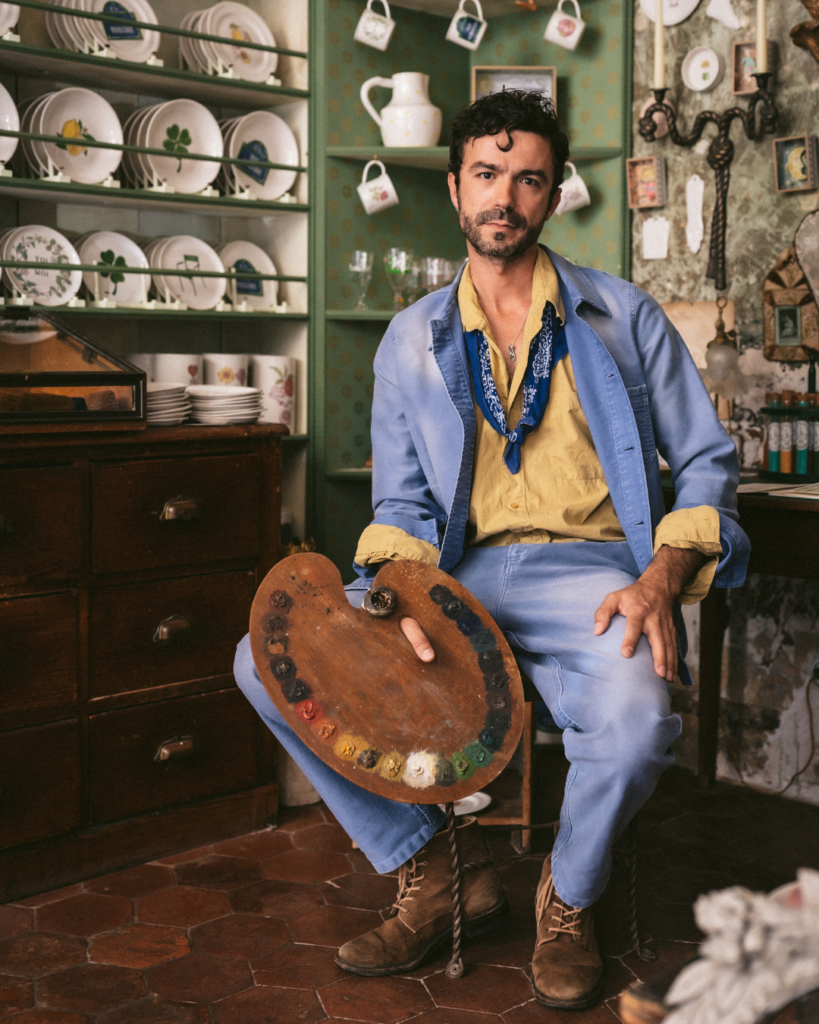
Taking time to create for myself, to paint without a clear goal, to explore new media freely, like oil painting.

What is your relationship with colour? In your books, the world unfolds in vibrant hues — joyful, energetic, and filled with a sense of wonder, almost as if seen through the eyes of a child.

I always need to be surrounded by color. It fulfills me, it comforts me. I’m allergic to all-white objects. In my home, color has a deeply therapeutic power. Sometimes all it takes is a bright red sweater to lift a bad day, like a spark of joy.

Finally, if Marin Montagut were not a name but a place, an interior, a street, a hidden passage, a garden after rain, what kind of place would it be?

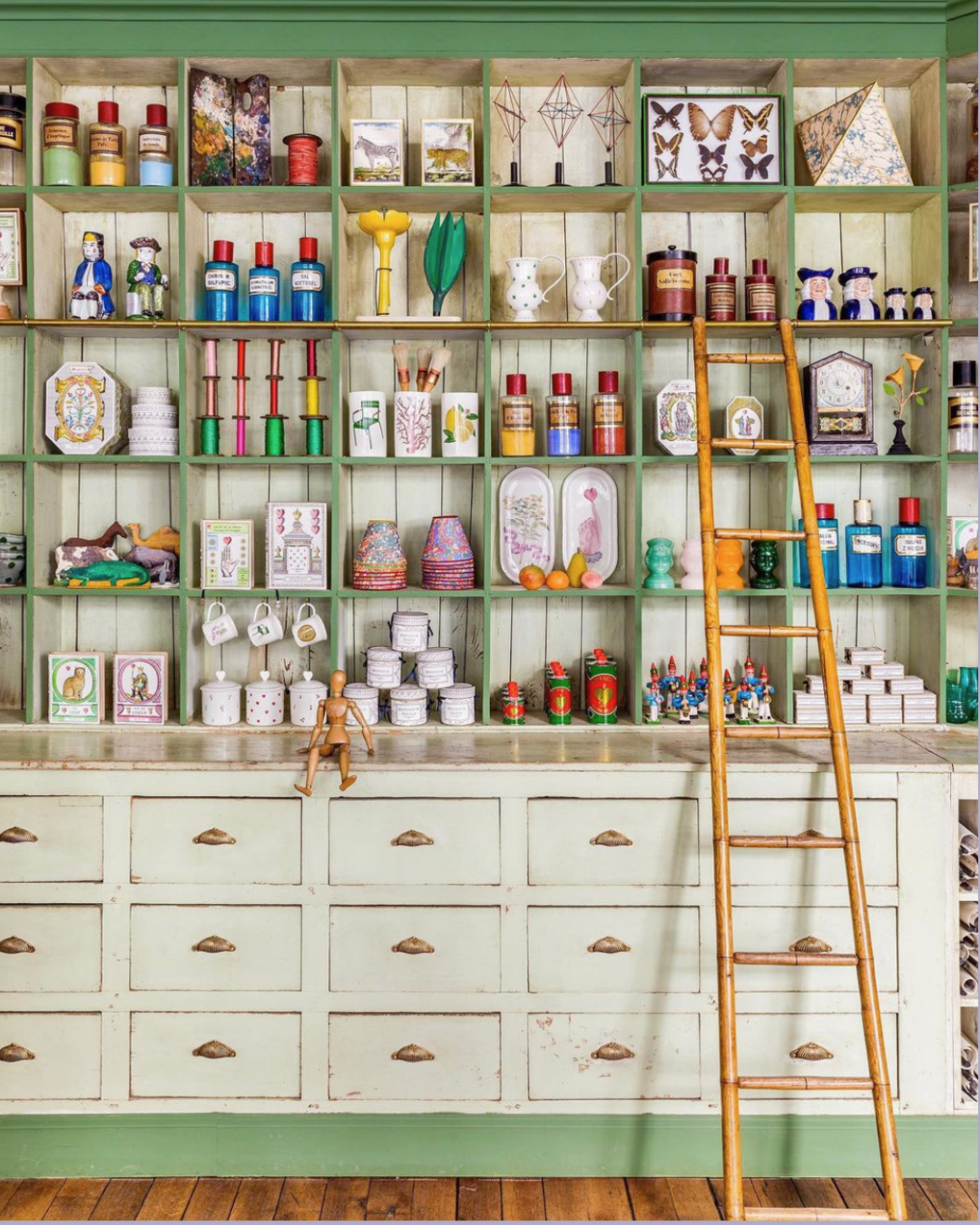
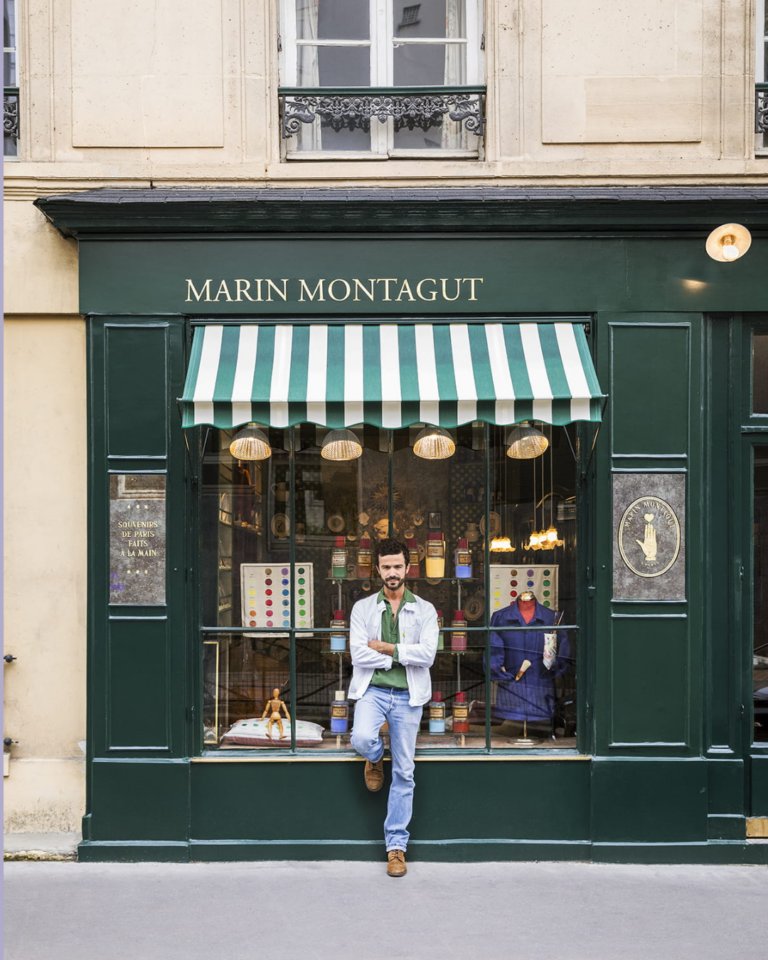
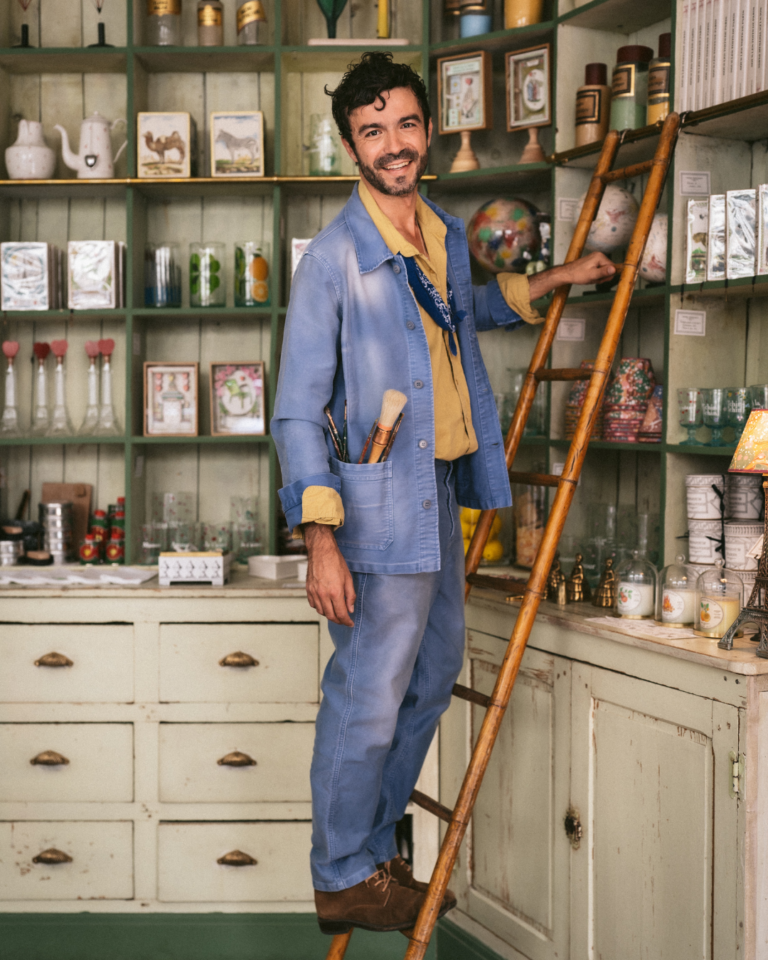
On weekends, it would be a treehouse, for its calm and closeness to nature. During the week, it would be an old-fashioned boutique, like a haberdashery or a paint shop reminiscent of the early 1900s. Wooden floors that creak, shelves to the ceiling, and that distinctive scent of old Paris.

Further Reading

Are you a sensitive and curious traveler, constantly searching for beauty, art and cultural inspiration? Sign up to receive the latest contemporary news!