One can speak honestly about the literary “purist” without turning him into a wax figure for the amusement of modern company. The accusation usually levelled is a simple one and therefore rather popular, that the devoted reader rejects deviation as a matter of reflex, that any alteration of a revered text must be a species of vandalism, that reverence and invention cannot share a room without coming to blows. The difficulty with this portrait lies in its indolent convenience. Adaptation, in practice, has been one of the most cheerful habits of our culture, and the classics have endured it with admirable composure, even with a certain covert enjoyment. Our age has long delighted in the art of translation between manners and centuries, and the most convivial inventions have often worn their ancestry openly. Bridget Jones’s Diary carries the silhouette of Pride and Prejudice, Clueless flirts with Emma, and neither work suffers for its audacity, since audacity, when guided by wit and coherence, becomes a form of homage rather than vandalism.


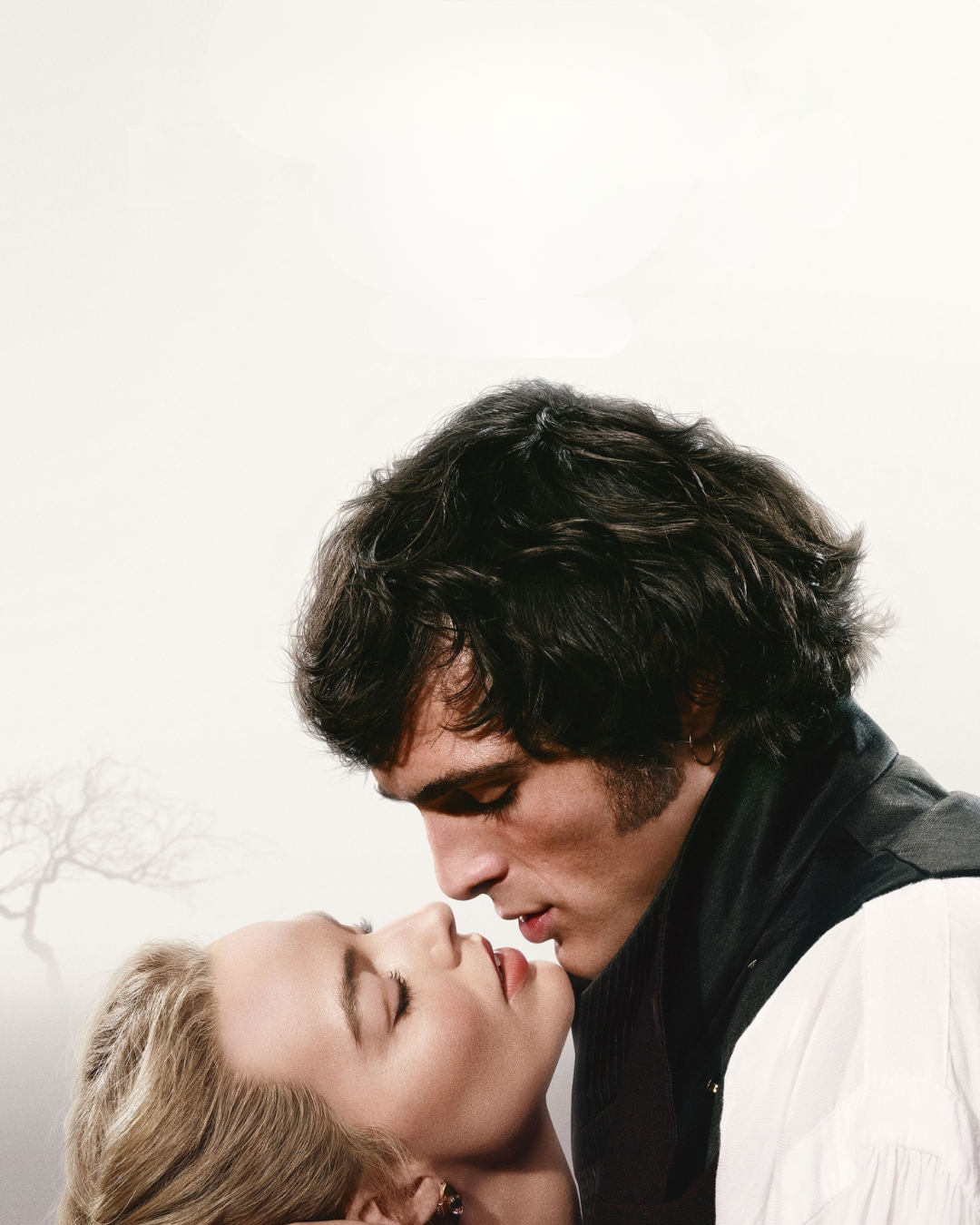
For this reason, the dissatisfaction with Emerald Fennell’s Wuthering Heights feels oddly misplaced when framed as a dispute over fidelity. Fidelity is a pleasing banner for those who prefer their arguments tidy, and one may always unfurl it when a film invites disappointment. Yet the deeper irritation here does not arise from changes to Brontë. It arises from the sensation that the film has mistaken a title for a structure and atmosphere for a story, as though the mere presence of weather and yearning could be expected to perform the work of drama by itself.
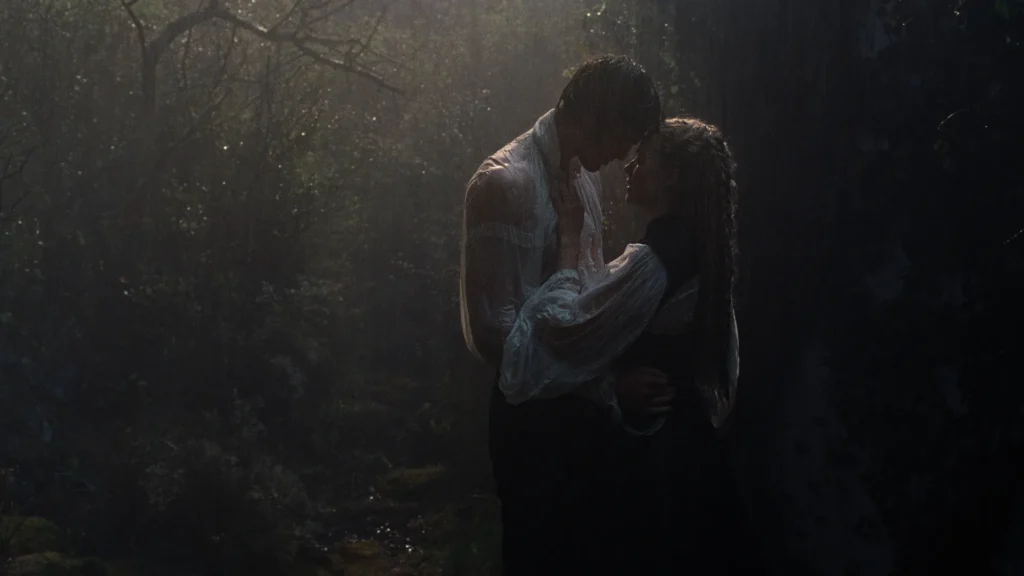
Fennell’s picture offers itself as a great dark romance, and then proceeds to behave like an expensive collection of “moments” in search of a connecting tissue. The script does not so much unfold as present. Scenes are arranged with the air of a hostess displaying a cabinet of curiosities. One admires the individual objects. One waits for the cabinet to become a house. The movement from cause to consequence feels faint. Character seems to be treated as something that can be declared and then left to stand, like a motto painted above a door, rather than something that must be proved by action, hesitation, appetite, cruelty, tenderness, and the slow accumulating weight of choice.
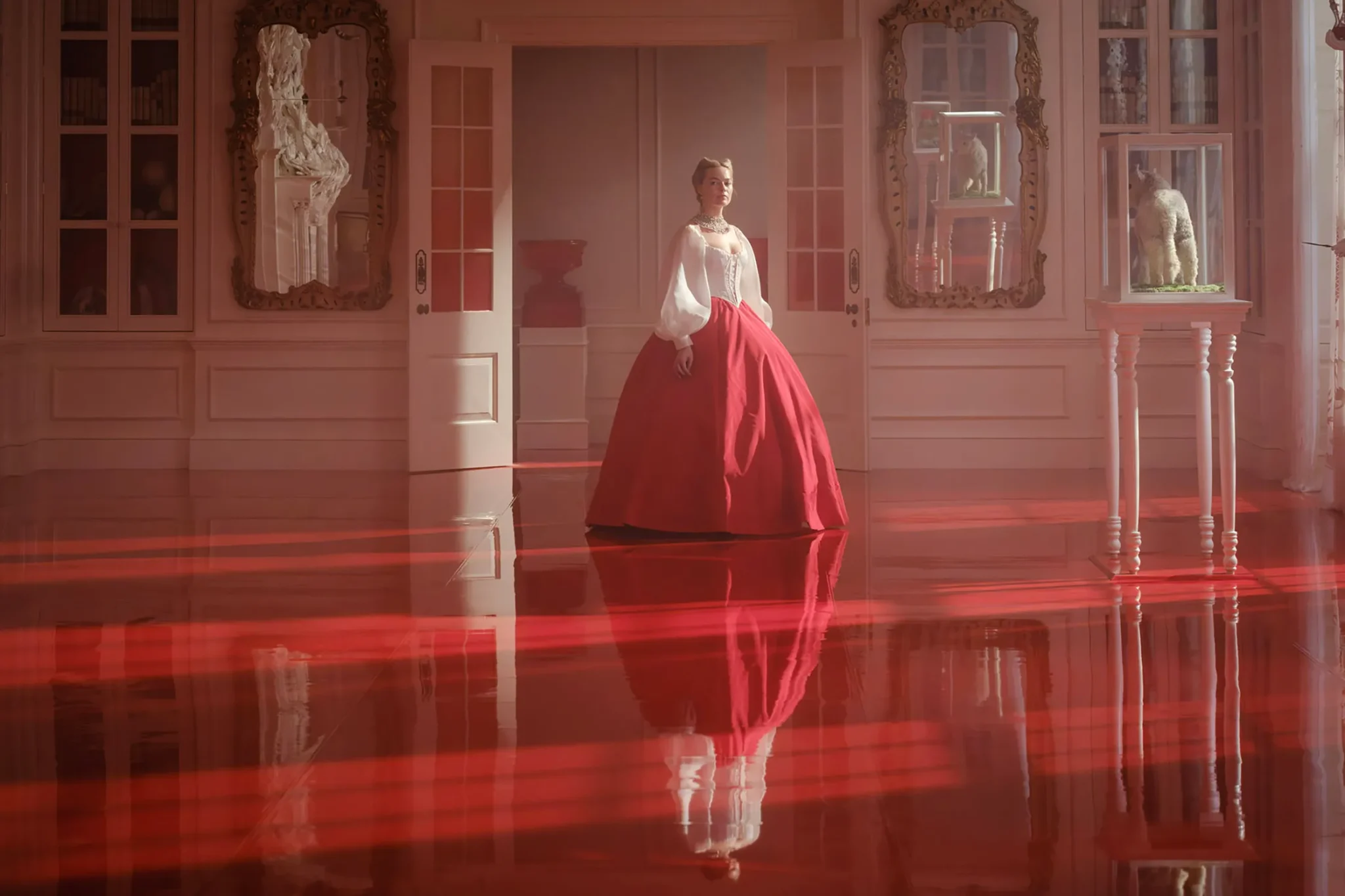
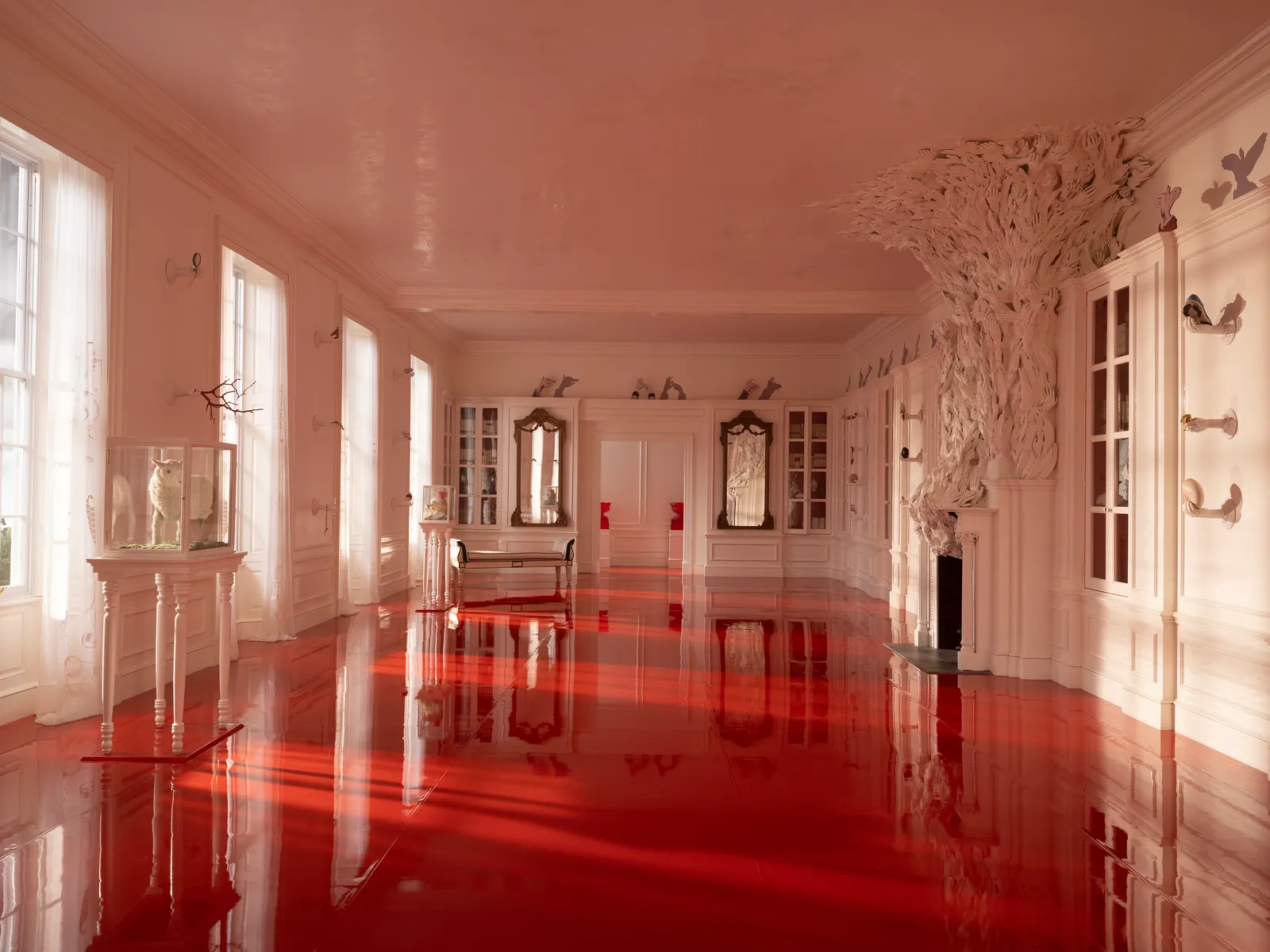
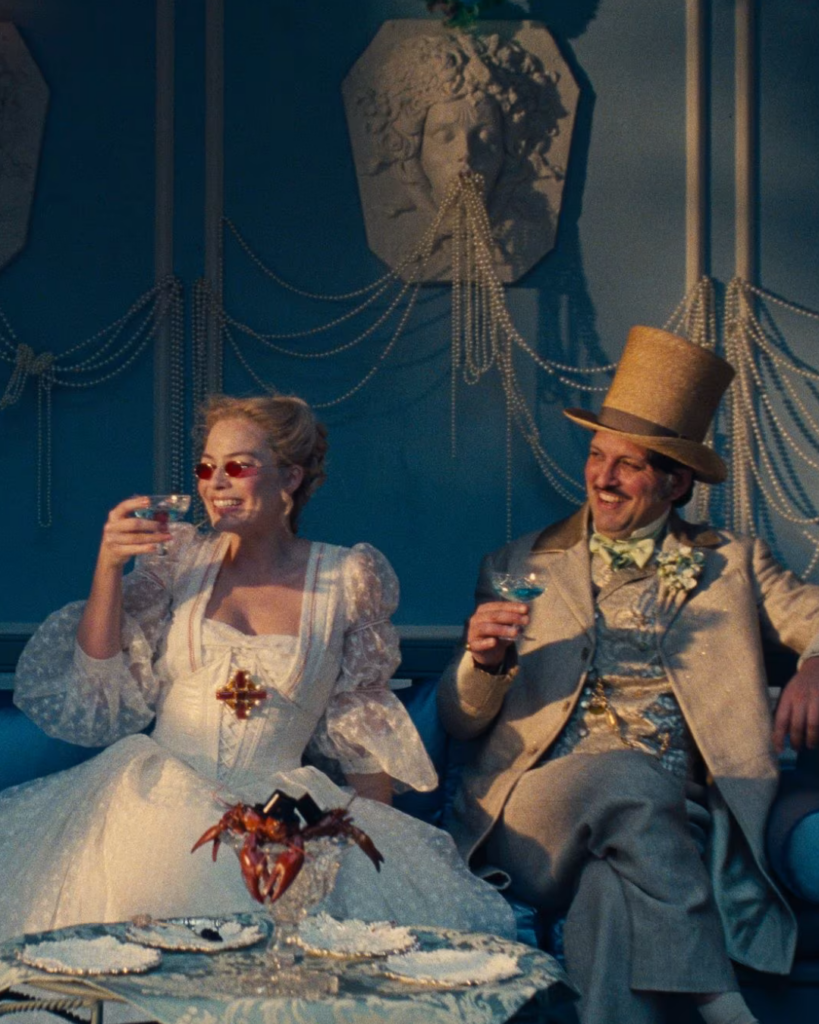
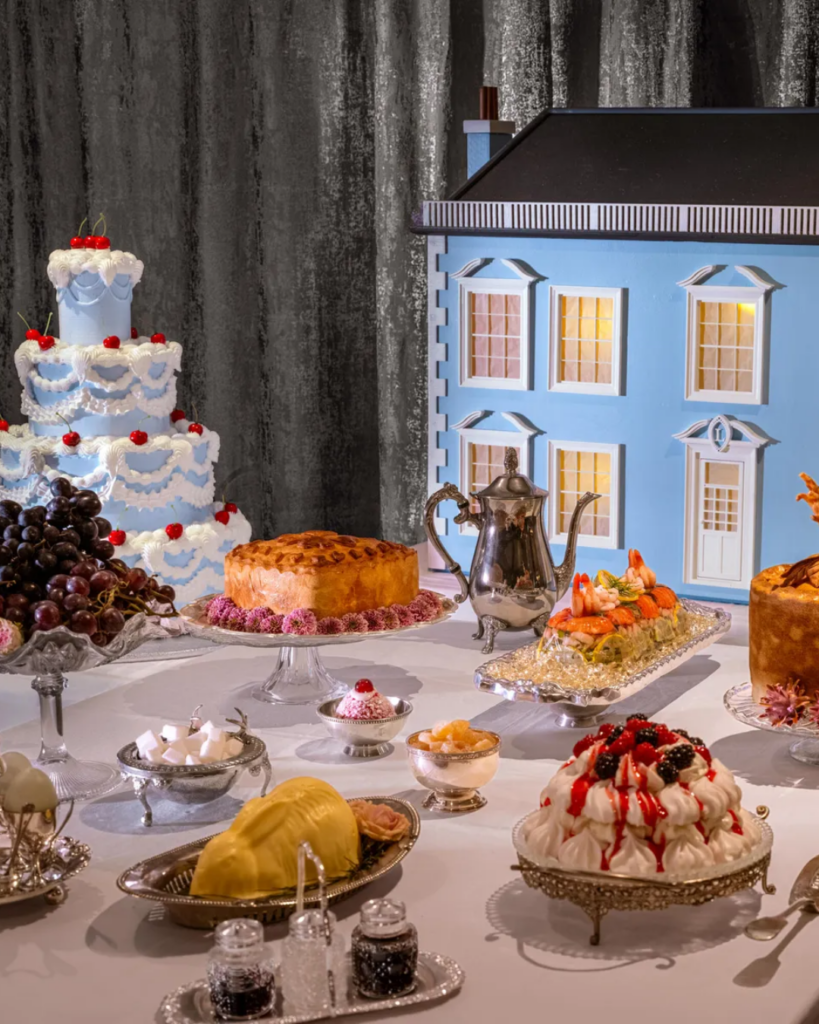
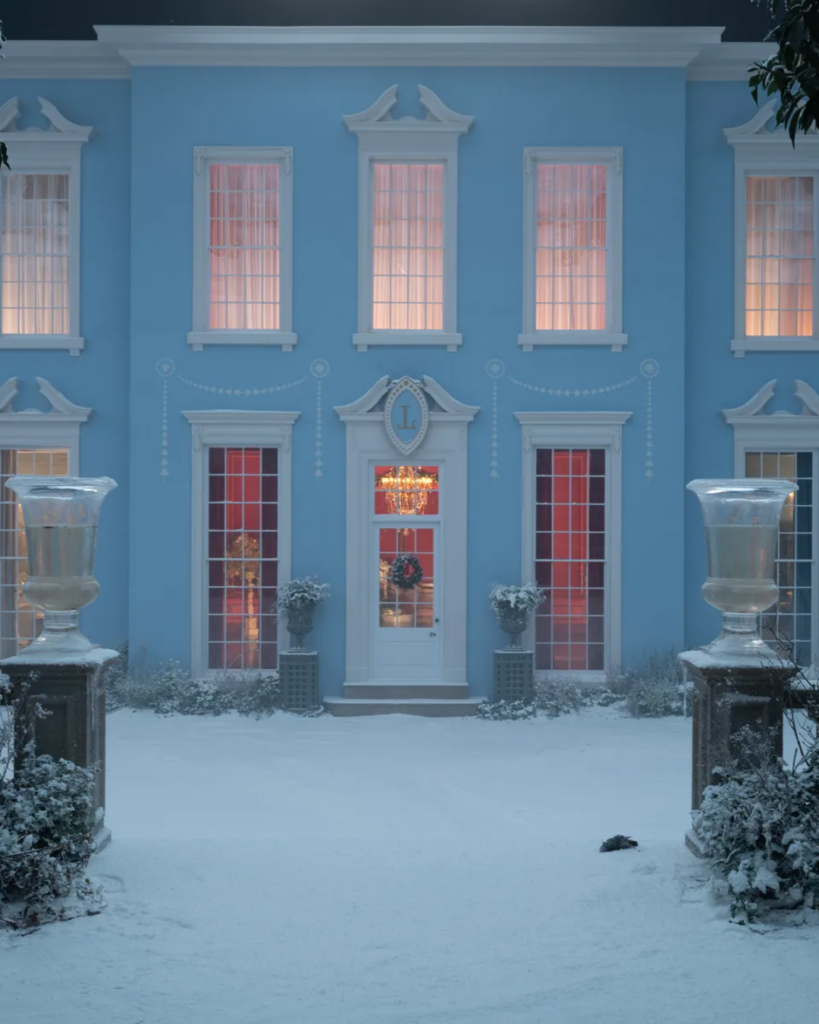
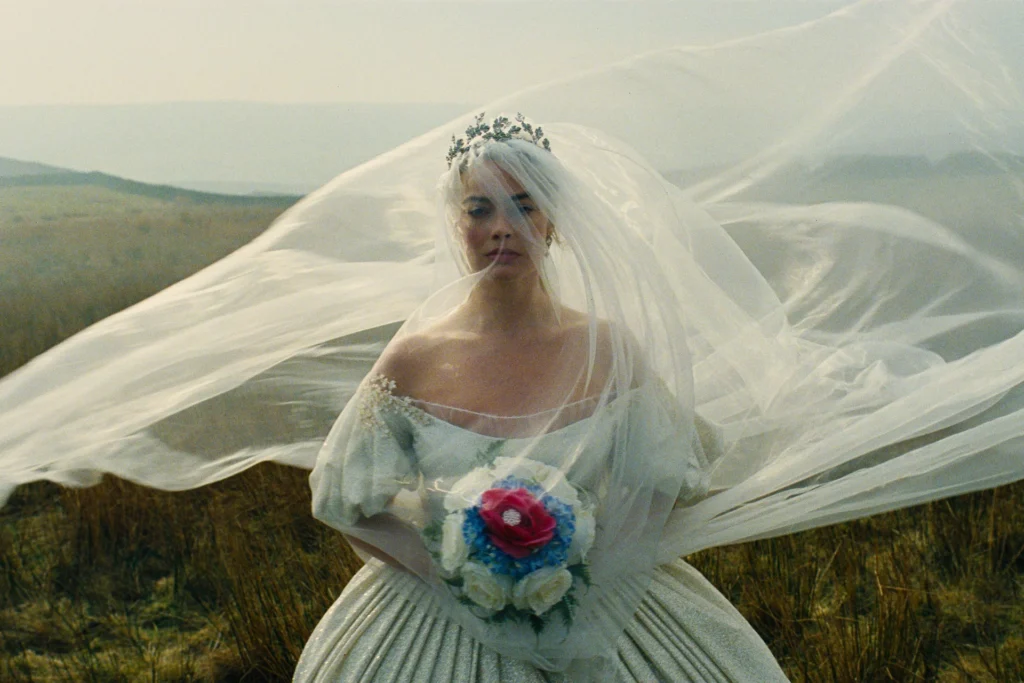
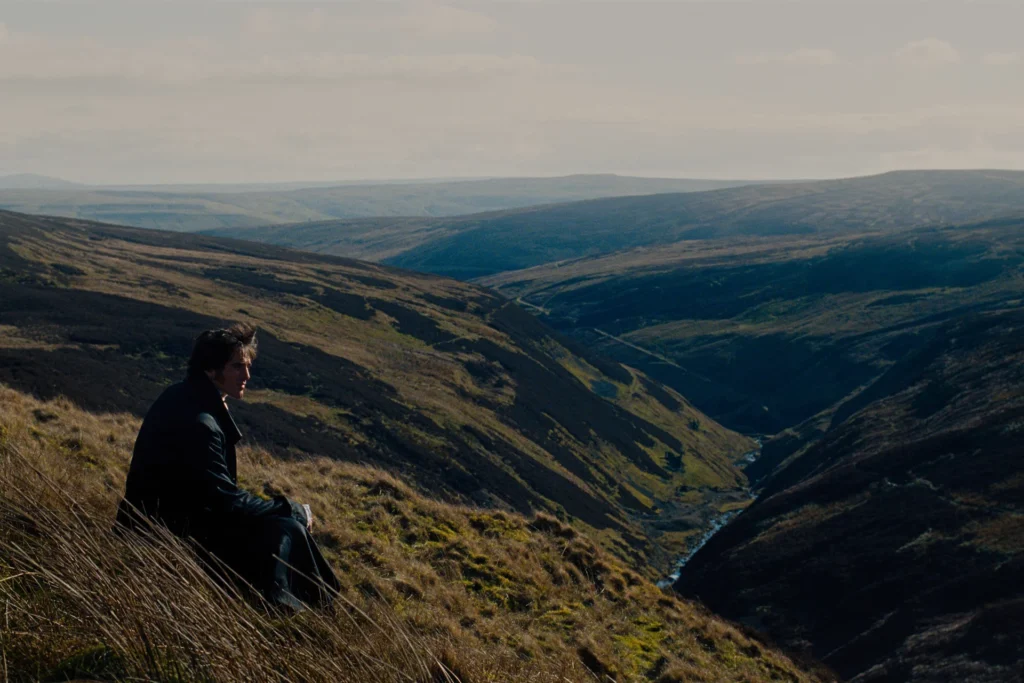
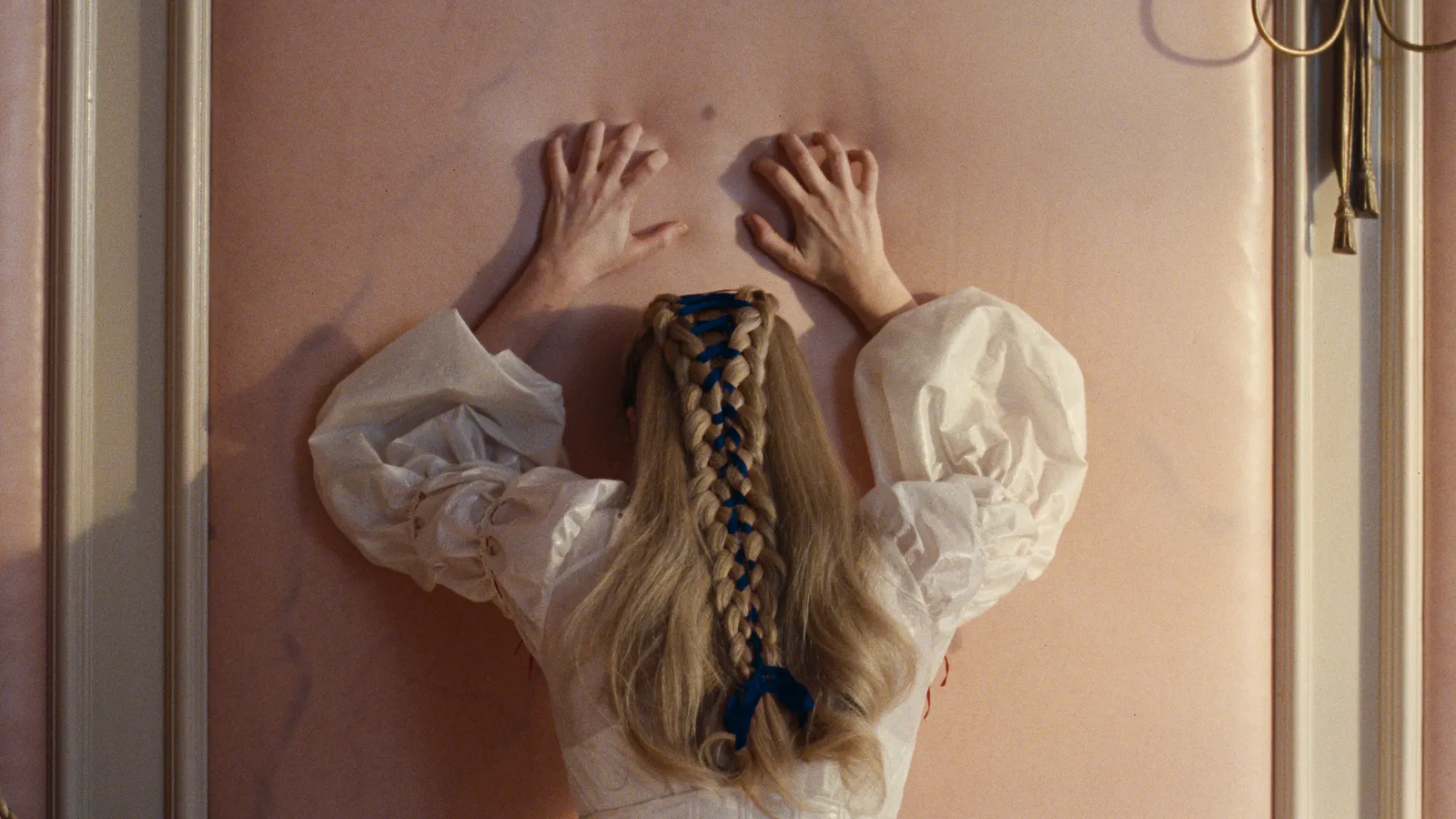
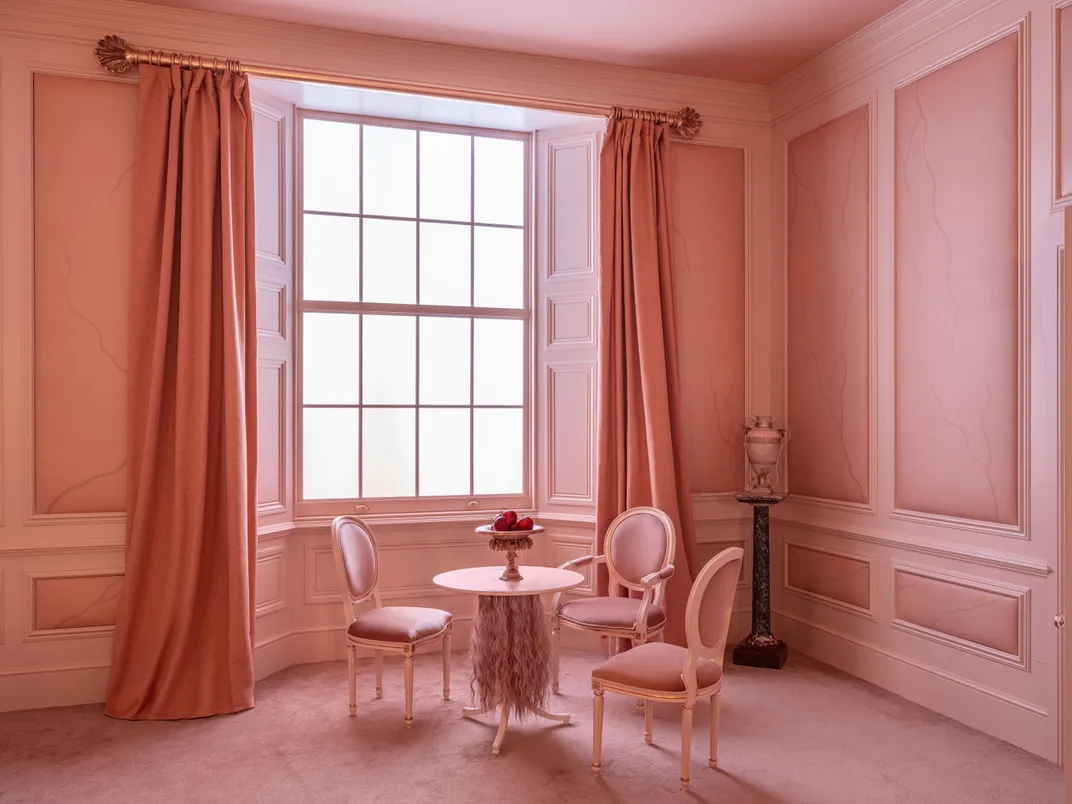
The production design, for its part, seems determined to win admiration through a kind of cultivated splendour, the splendour of surfaces that have been asked to carry meaning. The eye is treated with lavish attention. The mind is expected to be grateful. One begins to suspect the film has confused beauty with authority. Beauty may serve as the vessel of story. Beauty may also become the story’s rival, and rivals have a way of demanding constant reassurance.
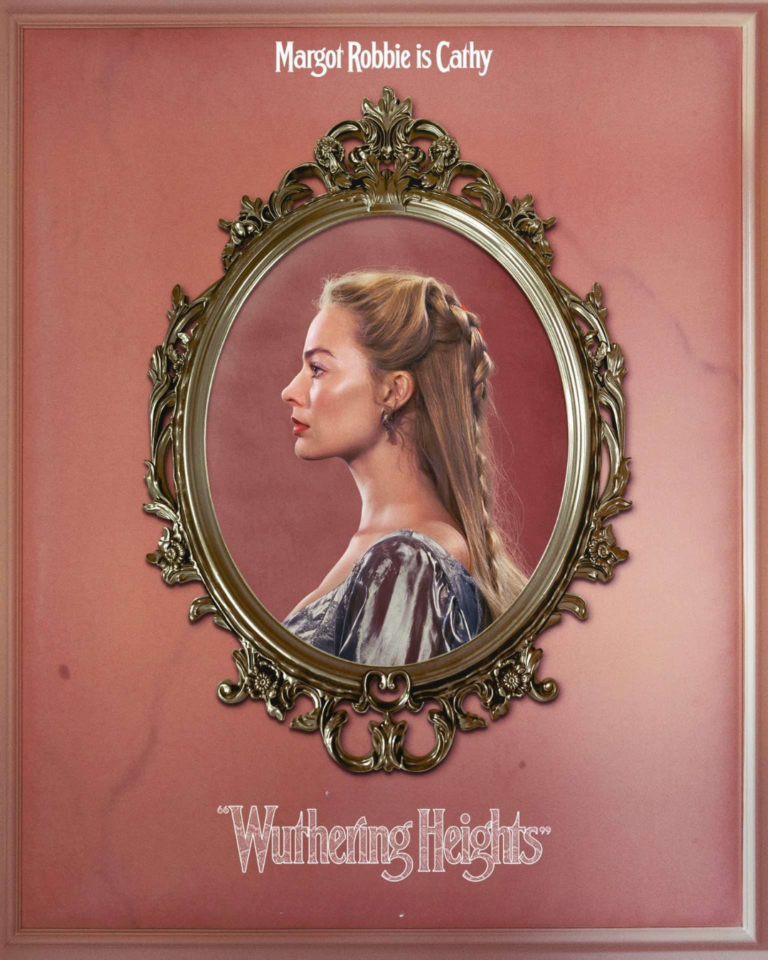
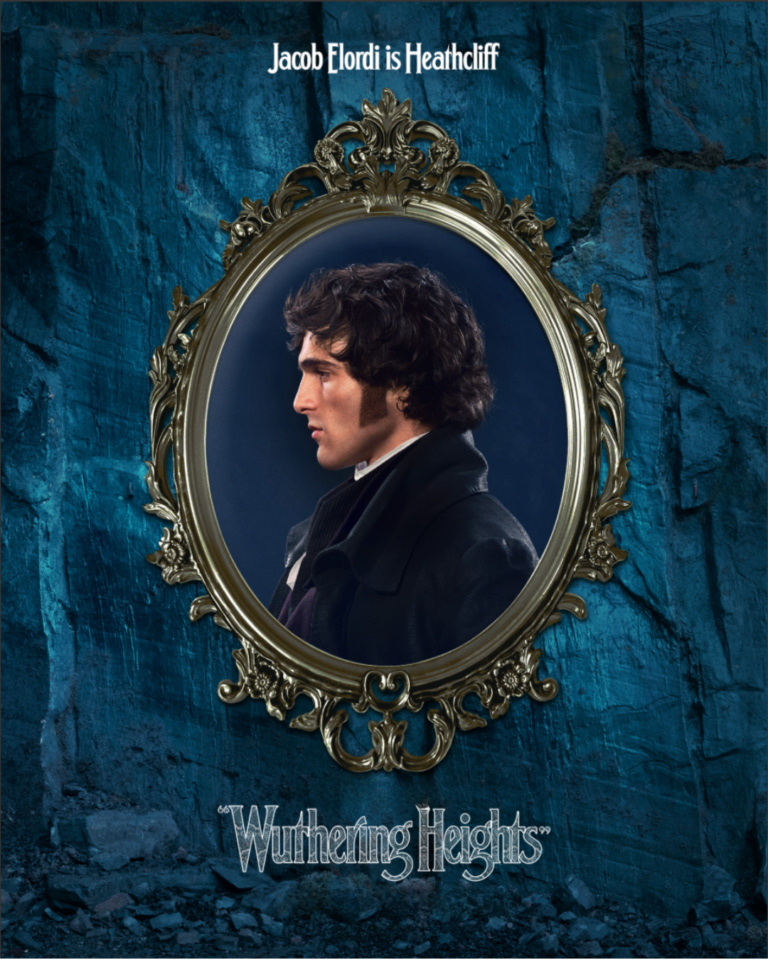
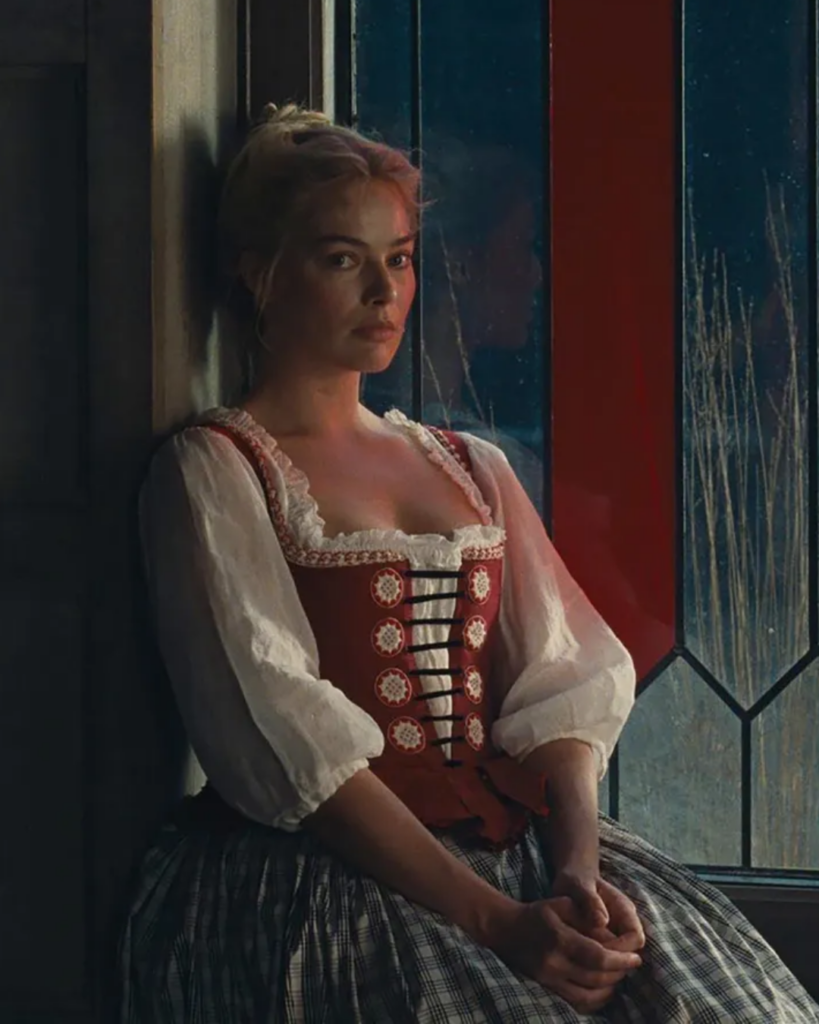
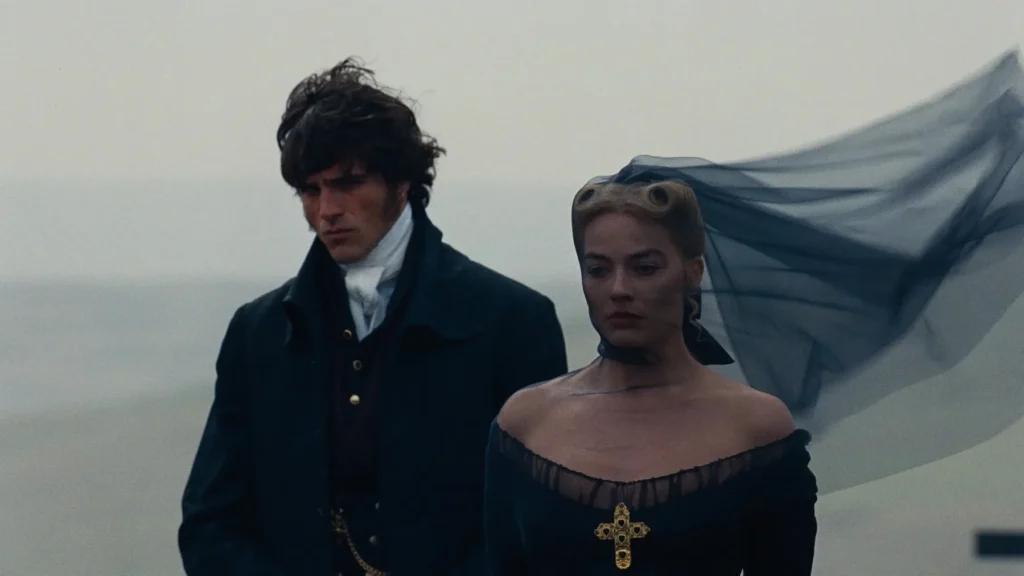
Costume and make-up press this tendency further, into a realm where stylisation begins to look like a private joke. There is a parodic edge to the choices, the sort of edge that makes a serious scene wobble. Even the gravest passion looks slightly ridiculous when dressed as a proclamation. The actors are placed in an unenviable position. They are asked for depth and given a stage dressed for display. They are asked for interiority and given poses. One watches them labour, and the labour becomes part of the spectacle.


Then there is the music, and here the film makes a choice that might have been daring in steadier hands and becomes merely insistent. A Charli XCX presence in the soundscape has the effect of turning the moor into a modern accessory, a kind of sonic signature applied to every emotion like a brand mark. The film appears to believe that contemporary music confers contemporary urgency, and urgency, once achieved, will be mistaken for depth. The tragedy acquires tempo. The atmosphere acquires attitude. The viewer acquires fatigue.
This is why the discussion of purists grows so tiresome. The objection here does not belong to the library. It belongs to the craft. A faithful adaptation can be dull. An unfaithful one can be magnificent. The decisive matter is whether the film understands its own design and executes it. Fennell’s Wuthering Heights feels less designed than curated, a careful selection of heat, glamour, grimness, provocation, and recognisable branding, arranged with an eye to cultural circulation.
The suspicion, then, grows difficult to avoid. The title functions as a seal of prestige and a spur to controversy. It lures the uninitiated with the promise of importance. It pricks the devoted into indignation. Both impulses are profitable, and profit is the most reliable producer of urgency in our era. The work has been designed to be seen, discussed, clipped, worn, collected. Cinema is included as a decorative flourish.


One leaves with a clear conclusion, and it has the virtue of being practical. This is not a question of sacred texts. It is a question of workmanship. A classic can survive audacity with ease. A film, even a glossy and costly one, must survive coherence. Here coherence is treated as an optional refinement. The viewer, unfortunately, remains less accommodating.