An irreverent wind arises, roams the grass and stirs the trees,
let us hope it shows some mercy,
for it vexes whom it please…
To indulge in a hazelnut is an intellectual delight. One knows already it will be brief, and yet it feeds the fiercest bite of hunger. It is custom to carry sacks of them, even for breakfast.
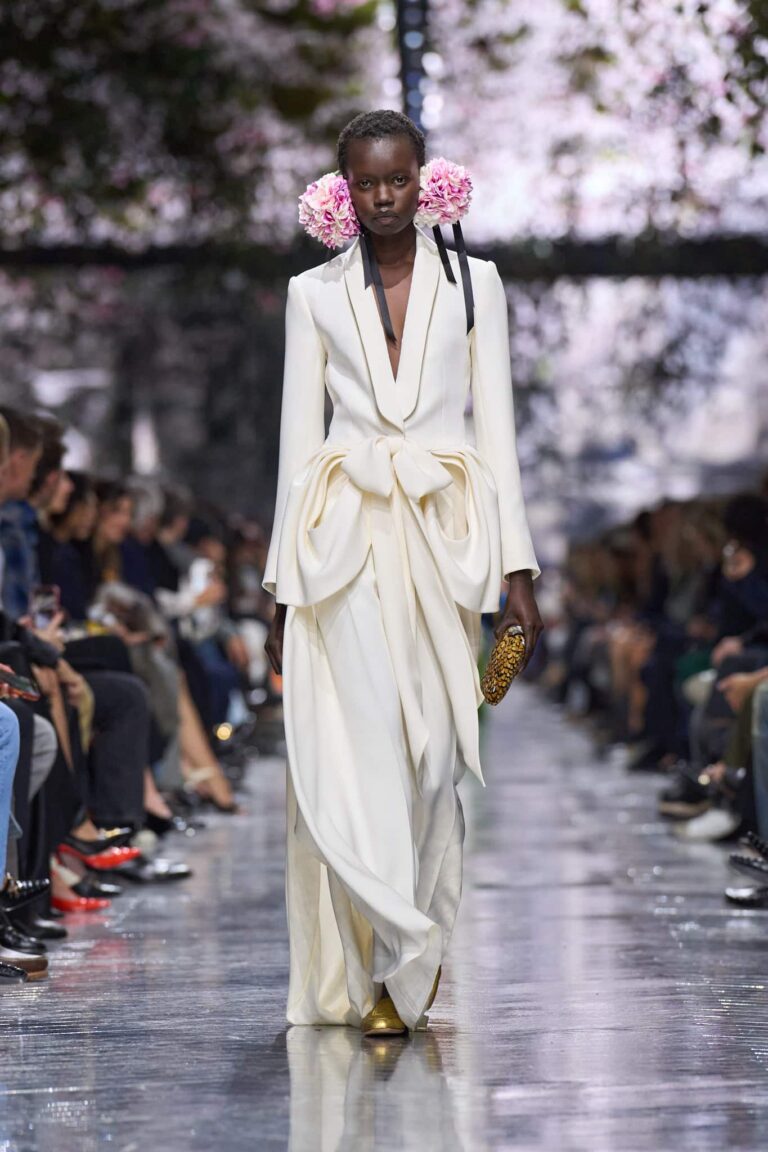
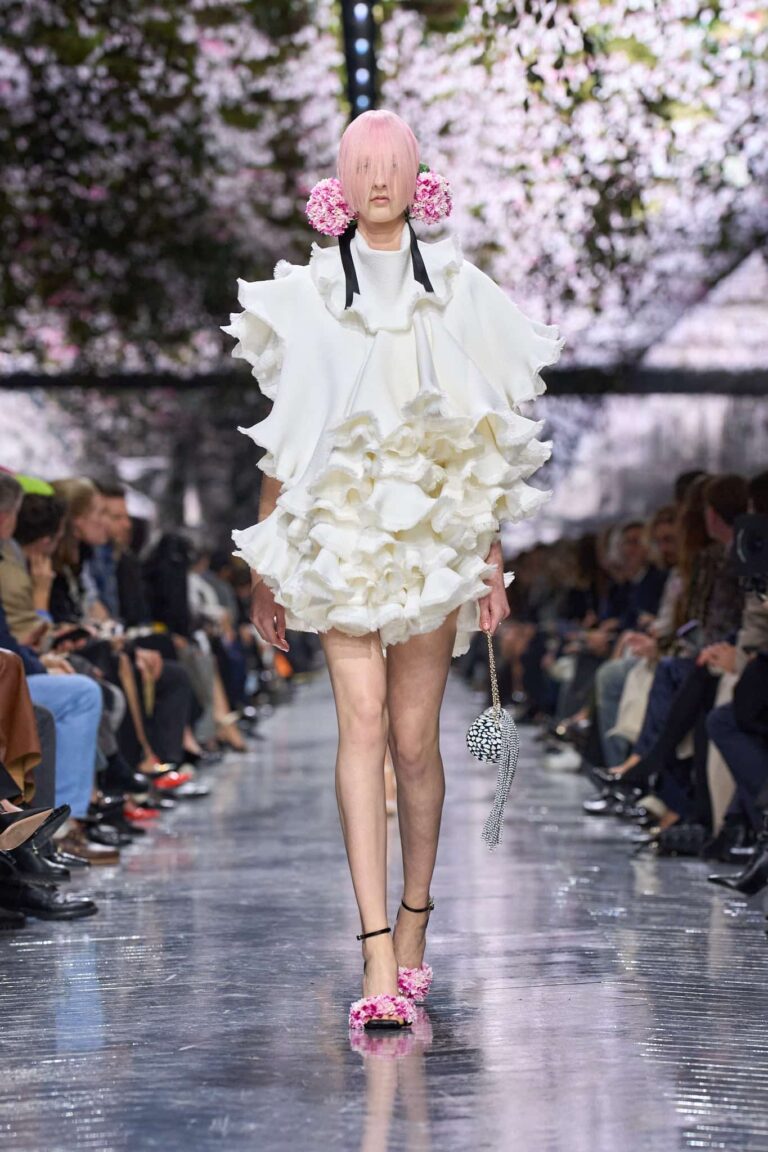
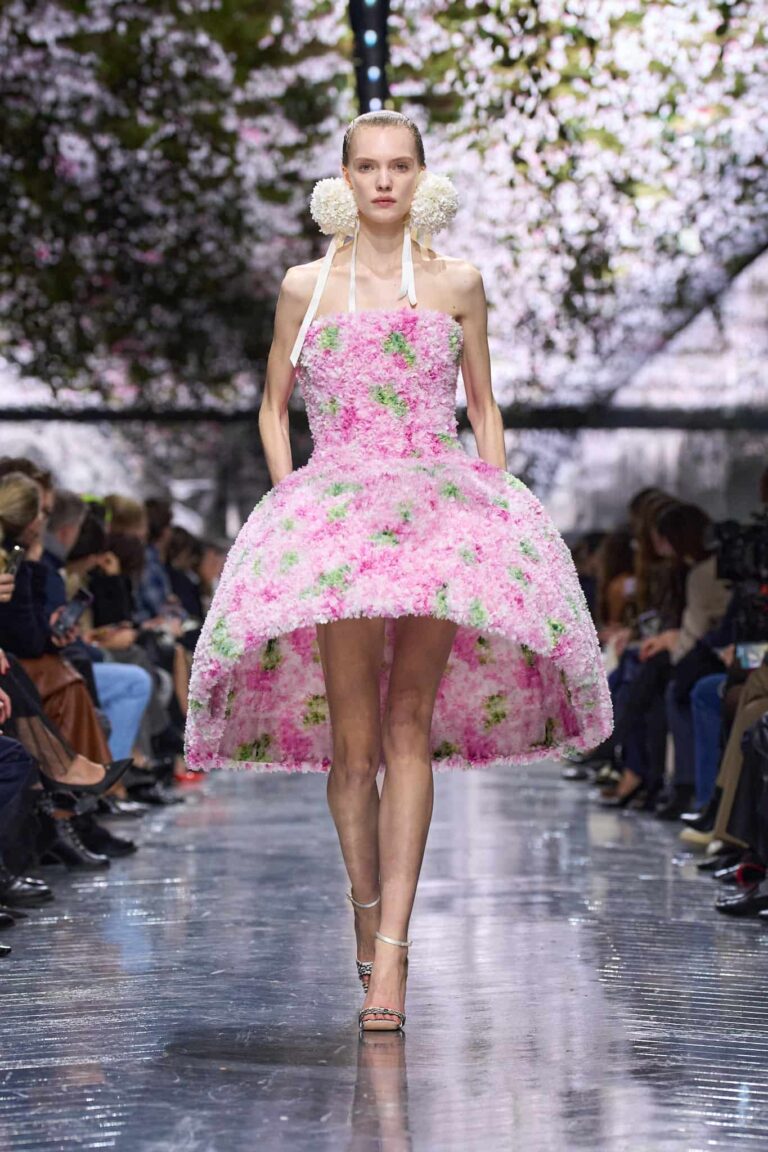
They all say they do one good, or is it mere appeal? The gust arrives with force, it favours skirts above all others, bell-shaped, full and rounded, white and black and blazing ochre. When it touches chiffon, then it knots it like a bow: sideways, slightly slanted, fond of ease and show. There, it finds some friends at last, stretched out reading in the grass. One is laughing, one absorbed, one half-hidden, fast asleep. It is a pleasant, sociable group, with the flavour of affection — ancient, and a little false, born at school on the first day’s lesson.


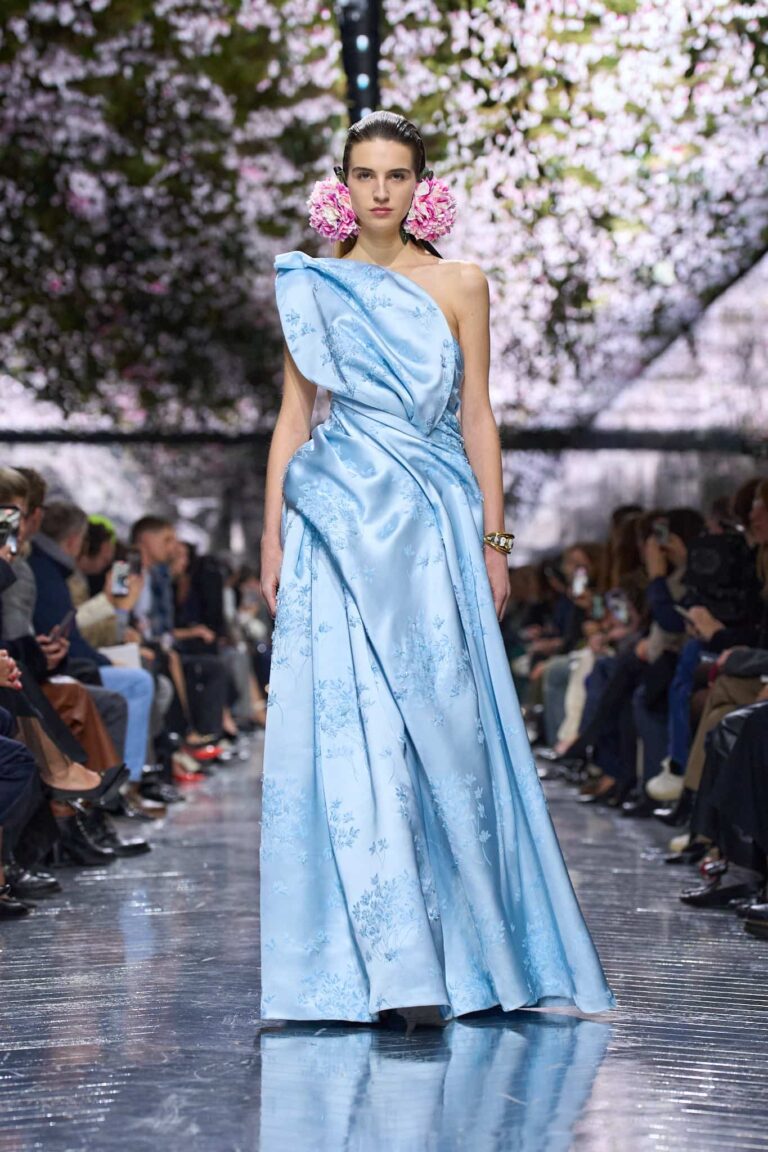
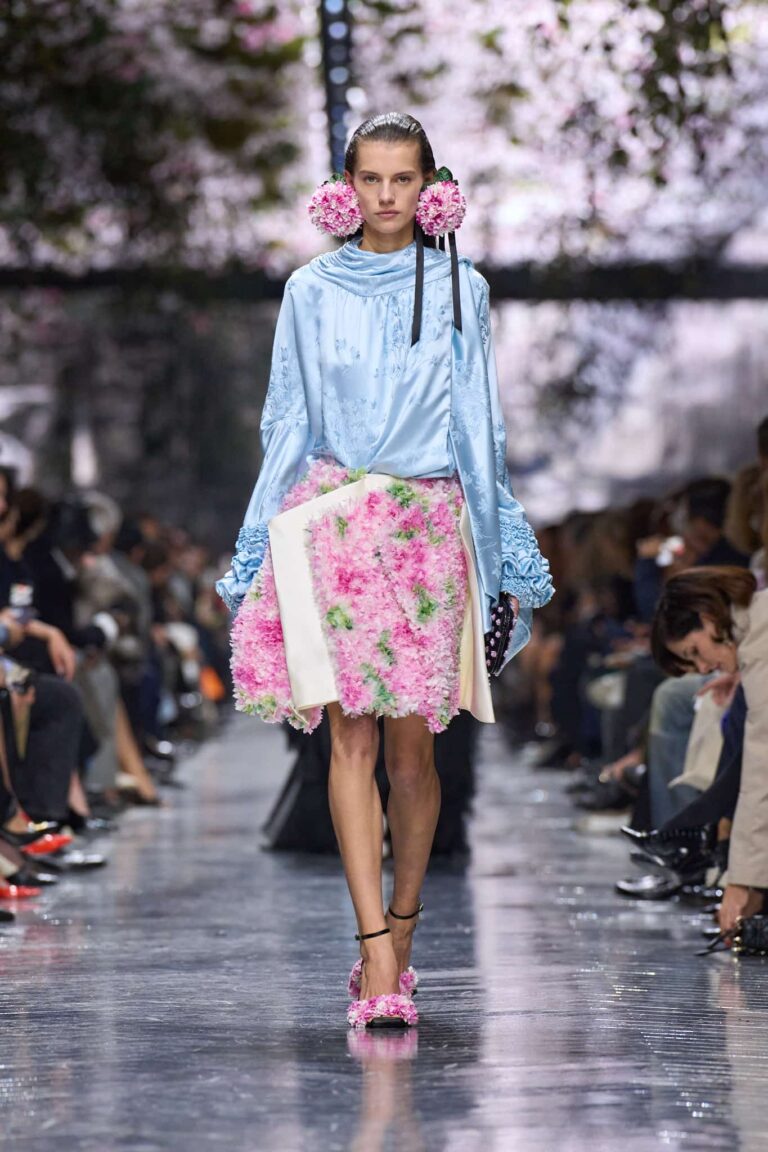
They never miss an opportunity to gather all as one, their afternoon repast resembles a painting. They do not remember the painter. Here comes yet another lash, taking liberties once more: it longs to play at being woman, dressing up for fêtes and more. The lightest reader loves romance, shows a taste more coy and tender: pink and blue in wedlock joined through embroidery and ornament. The wind passes, steals a thread, to stitch its own attire instead. The Proustian thinker reads in silence, speaks but little, too many thoughts within her head, or else she sings the Mass, or blasphemes. Yet her dress is chosen with care: rich, austere, and most discerning. Thus she never fails to heed the threat of hostile weather,
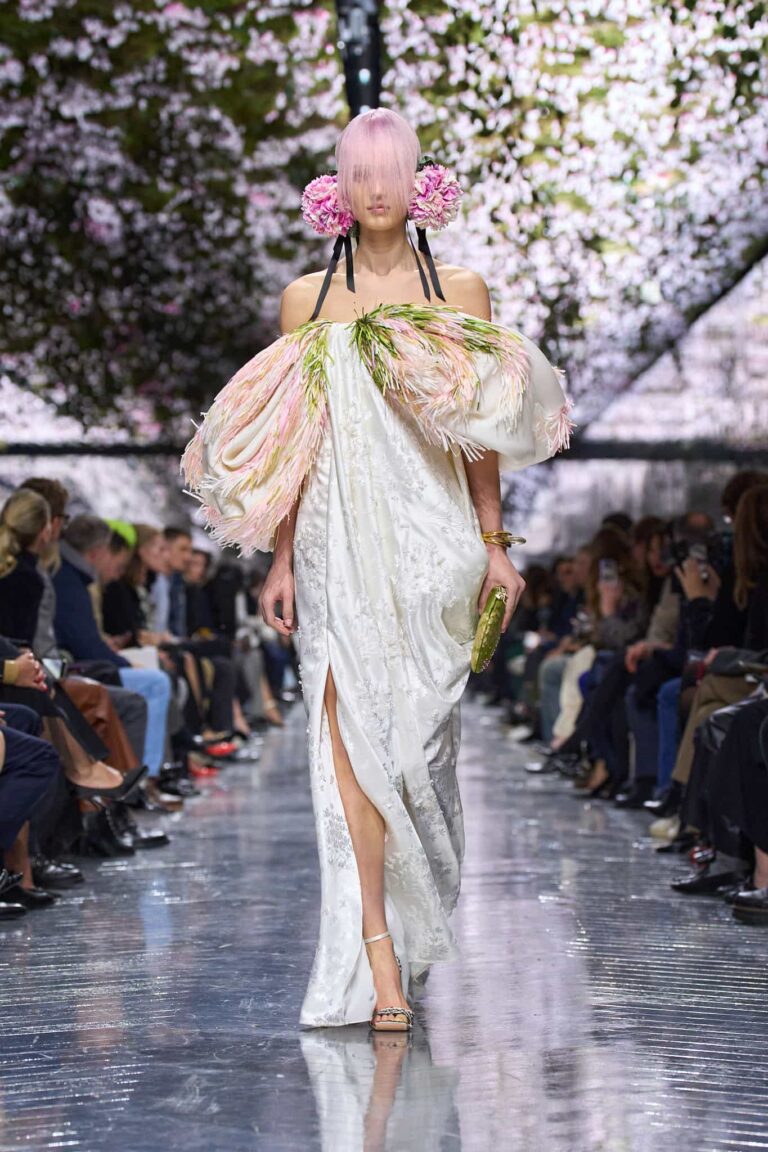
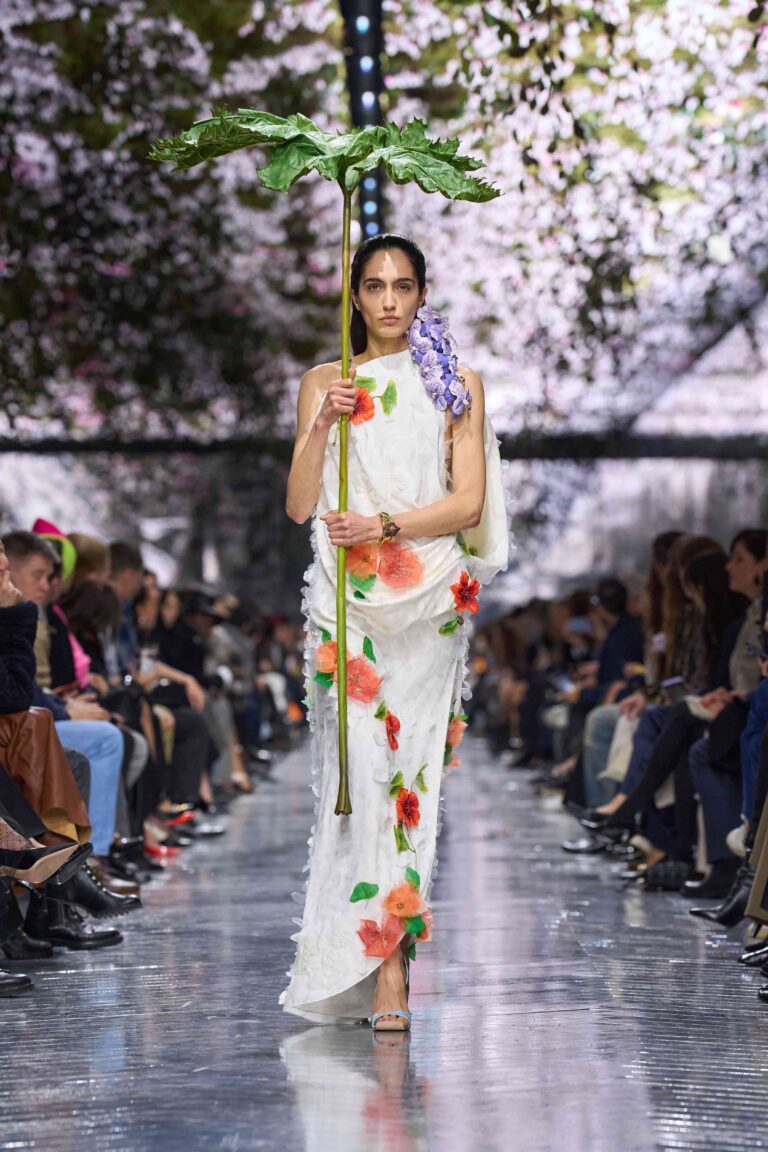
high-necked collar, shawl attached, faux fur with a crimped pelt. From her it takes a crystal fair, feather-green between her fingers, yet, in kindness, it repays her with a flower in lilac tone. Look now at the august Hellenist, lover of Aeschylus and Plato: she wears peploi as her uniform, a vegetal umbrella, not fig-leaf, but lettuce, which she never lends to anyone.
Still, she bears a hint of colour, like a faded marble statue: on her flank a poppy blooms, thinking itself a wound. She, beyond all doubt, is a poet, laying claim to nothing at all. Understanding does not concern her — she is a breath of fresher air. To praise her, the wind decides to alter her appearance, turning bodice into whirlwind, trimming lace into a storm.
She is careless, quite oblivious, never noticed the theft: it has stolen the pretty muzzle of her little friend, the ferret.



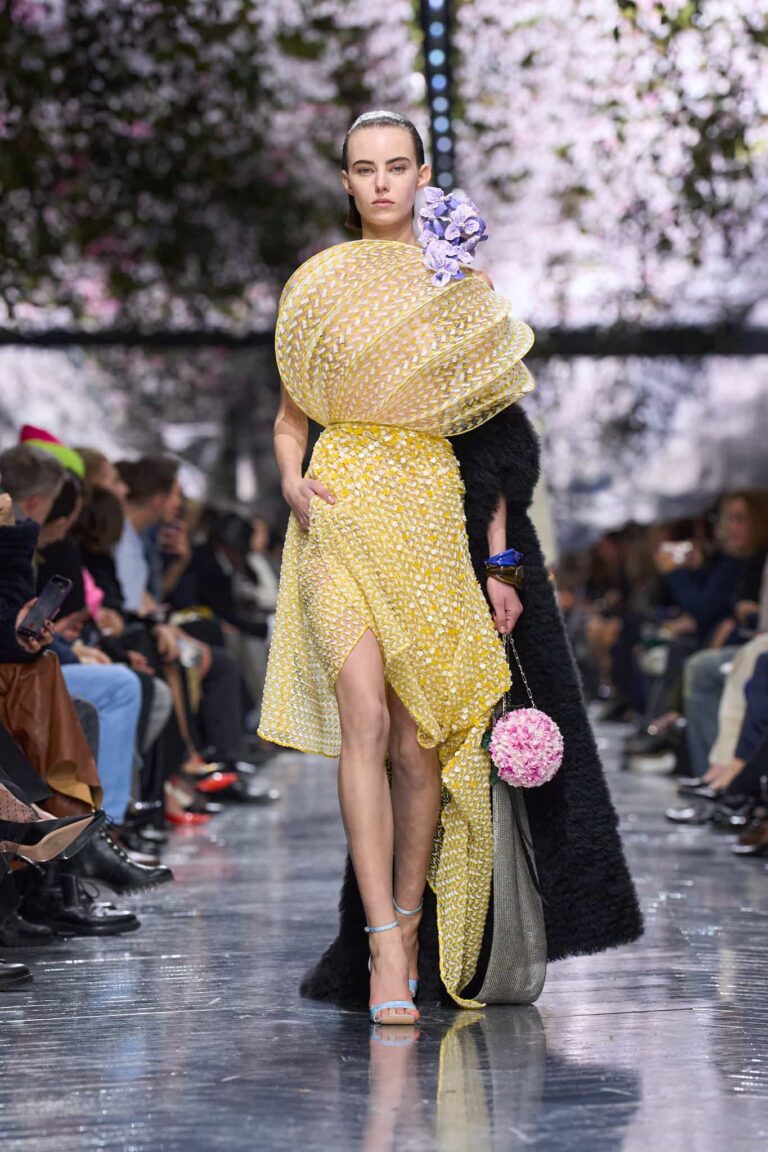
Now, with its lavish hoard, it leaves the crowded park, yet looking back, it feels remorse for its misdeed. The maidens, now distraught, weep for what they have lost, their faces, so forlorn, are easily read. No, they are not vain at all, but every object is dear to them: the lace, the earring, and their mother’s brooch. So the wind, now all adorned, hastens back into a garden, bows with gentleness and pace, asks the flowers for glam, more. Cyclamen and gardenia, branches small or plants entire, all together it collects and bears them to the girls. A headband and a hairpin, one shaped like a travelling case, a sash and then a belt,a bag, a shoe, a neckline laid.
The drowsy readers now are dancing nymphs, and that deceitful wind is turned divine musician. Hand in hand, a circling round, from public place to Parnassus found.
And from village girls once young, behold: Canova’s Graces sprung.