In Milan’s Isola district, inside an early-twentieth-century former silverware factory, a private world has been patiently refashioned into something rarer than a showroom and more intimate than an institution: a lived-in house museum conceived by collector Ettore Molinario and gallerist Rossella Colombari. To call it simply a “collection” feels inadequate, because the Molinario project behaves like a way of thinking. Photography stands at its centre, yet the project resists the familiar comforts that often organise photographic history. It refuses the tidy lineage and the single authoritative storyline. In its place, it cultivates a continuity of gazes, moving from the Nineteenth century into the present with an attention that remains steady as styles change. What holds this continuity together is the collection’s insistence that images exceed their status as documents. They operate as instruments for reading the self. Again and again, the works return to the question of how a person becomes visible, both to others and to themselves. The camera, in this setting, behaves as witness, attentive and unsentimental, capable of keeping what culture tends to discard. One of the collection’s most distinctive gestures is its practice of “Dialogues”.
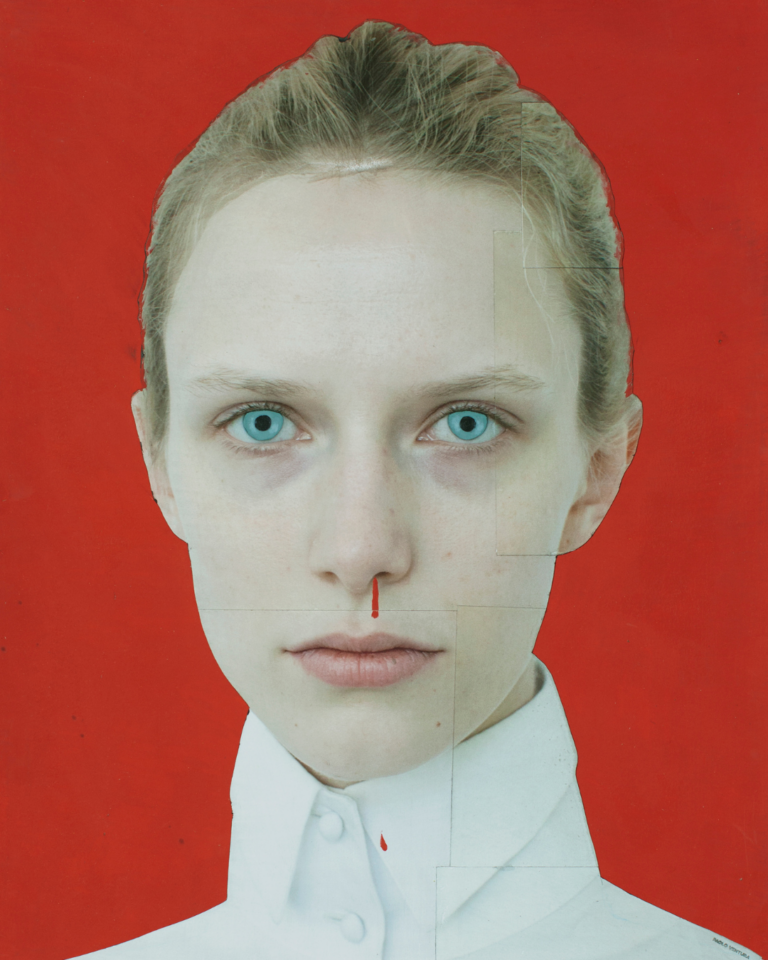
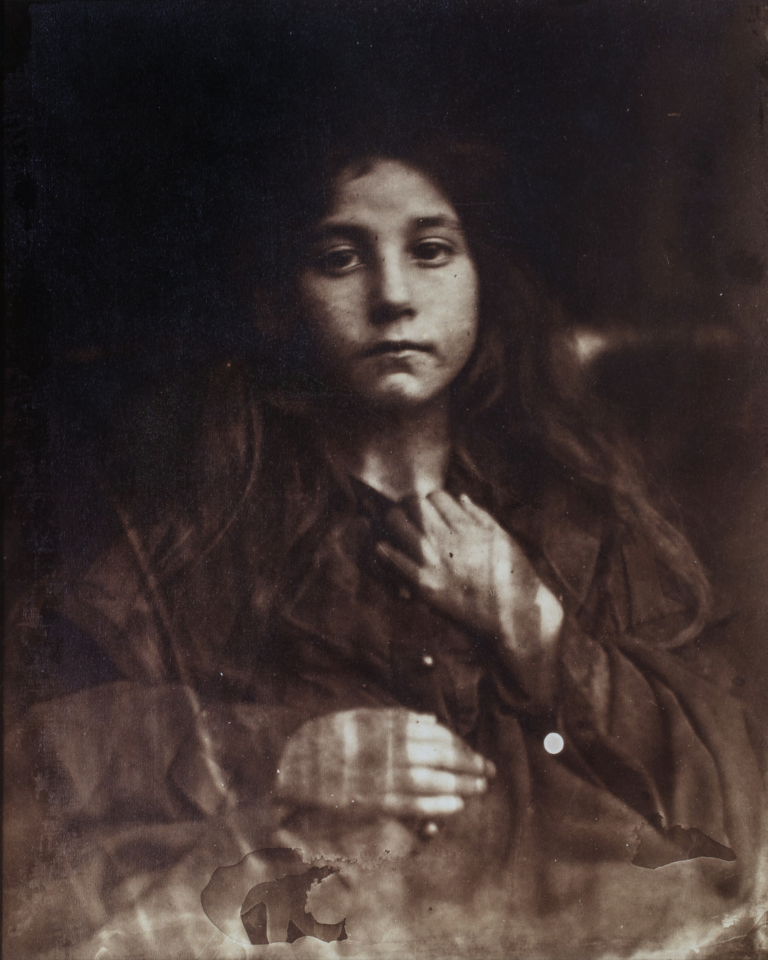
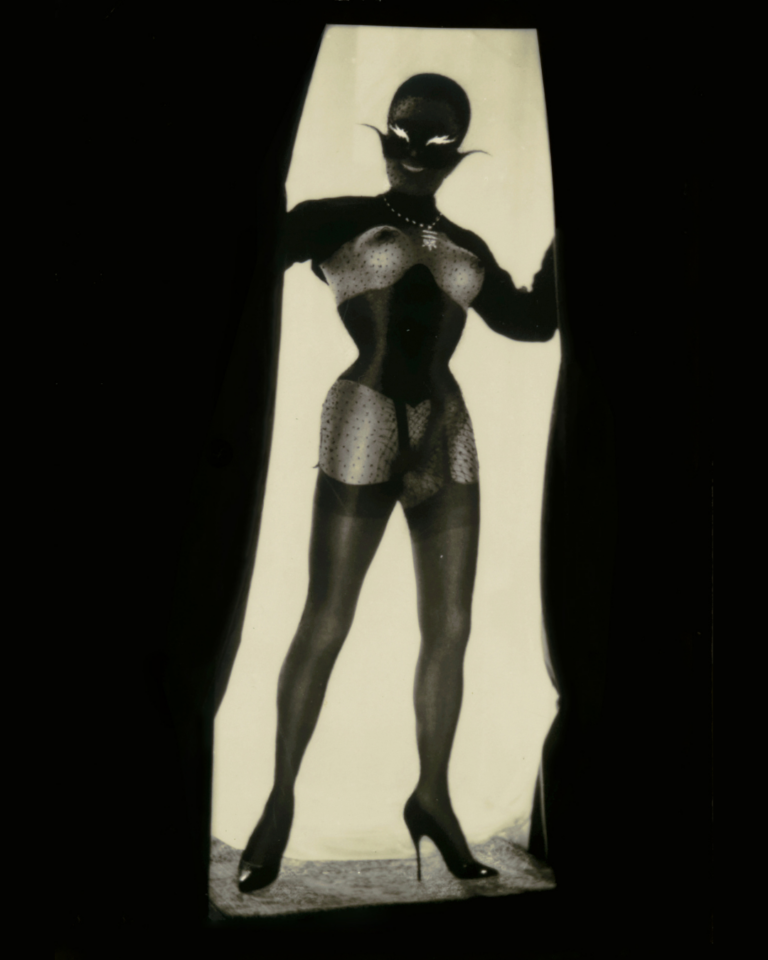
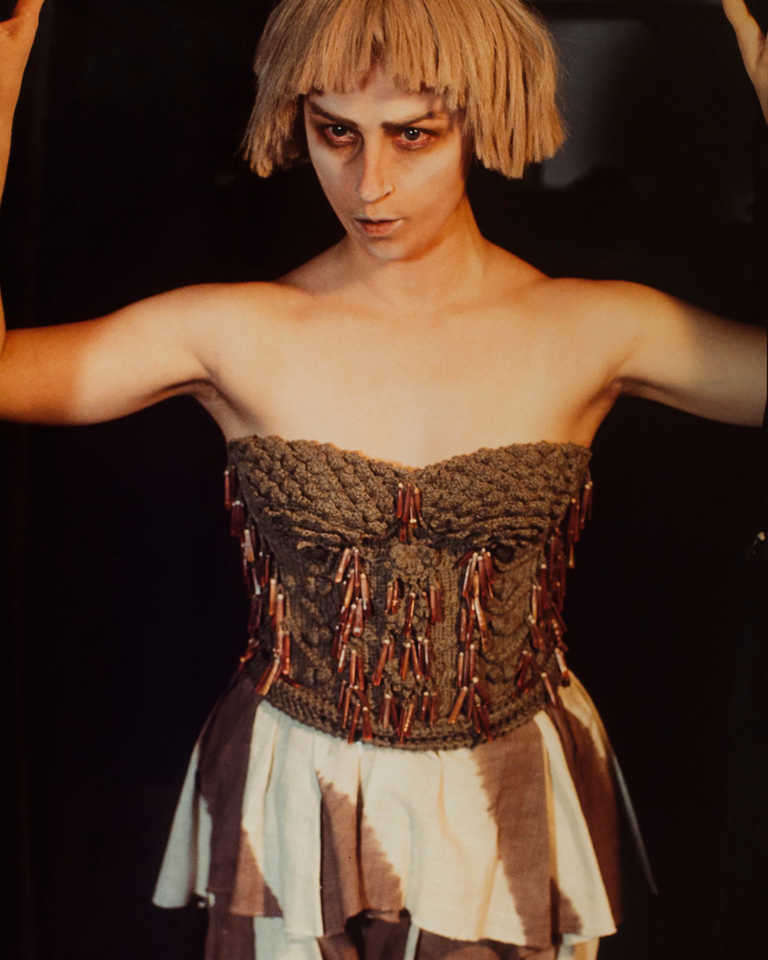
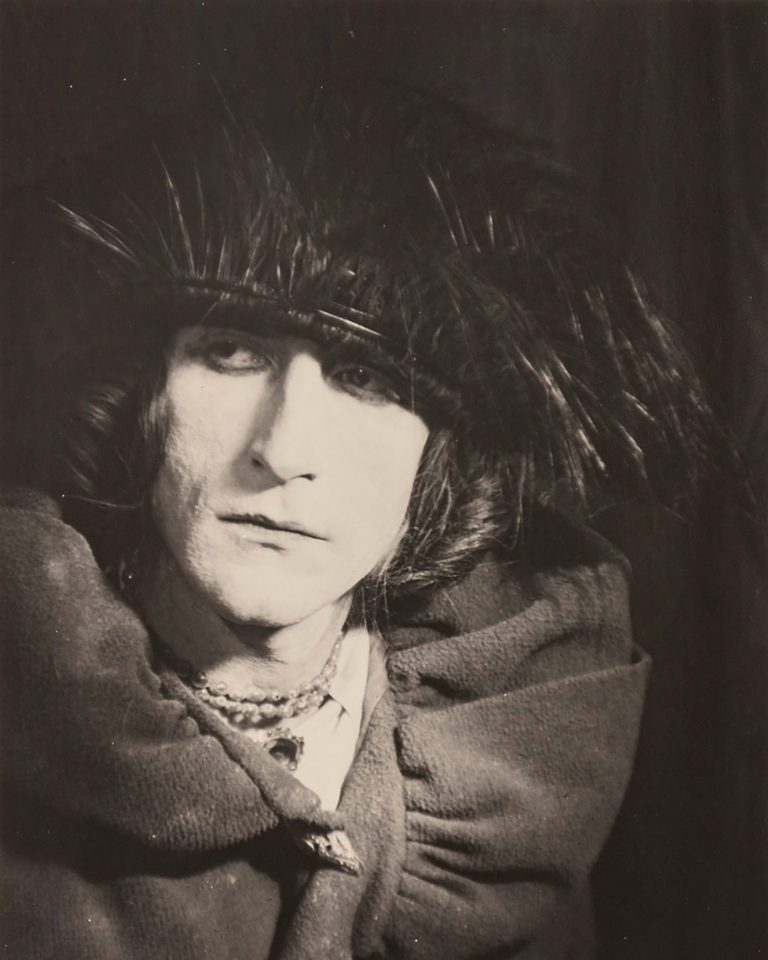
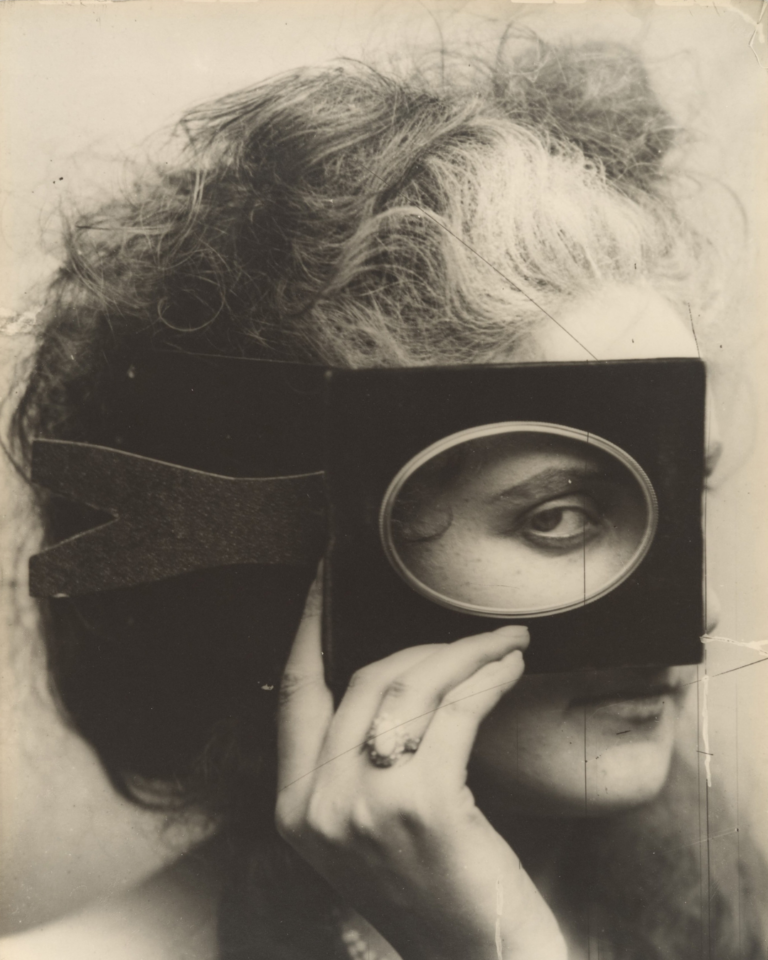
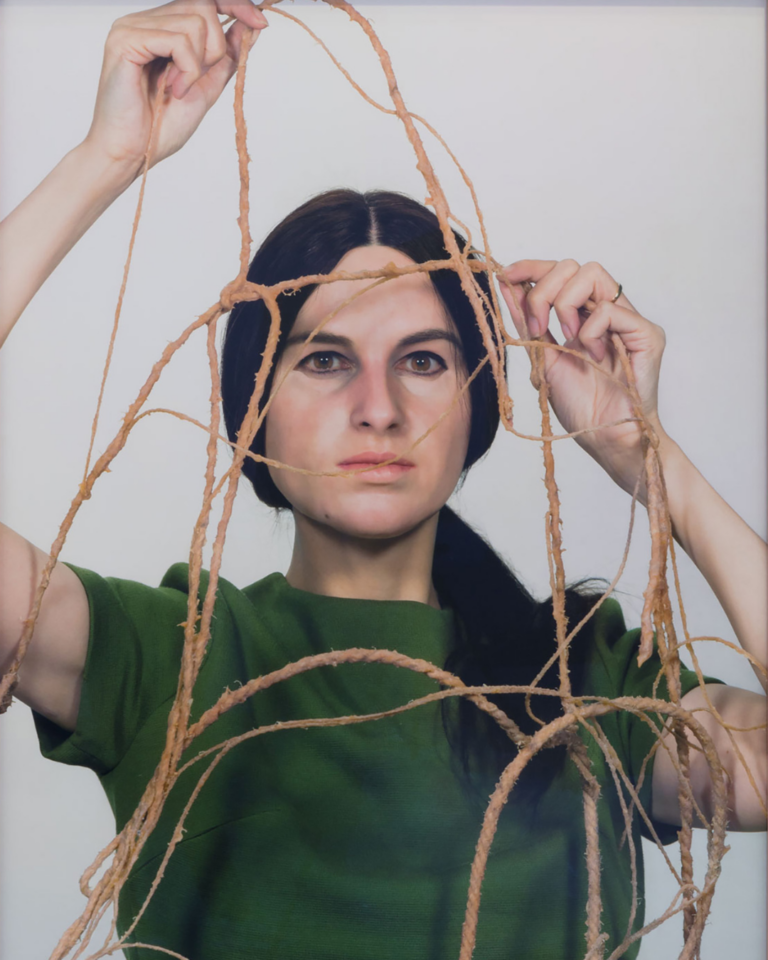
Here, photography is arranged through proximity. A celebrated author may be placed beside a lesser-known voice, and the pairing performs a quiet shift: attention moves away from reputation and towards resonance.
@PaoloVentura @CollezioneEttoreMolinario
@CollezioneEttoreMolinario
@PierreMolinier @CollezioneEttoreMolinario
@CindySherman @CollezioneEttoreMolinario
@ManRayTrust @CollezioneEttoreMolinario
@CollezioneEttoreMolinario
@GillianWearing @CollezioneEttoreMolinario
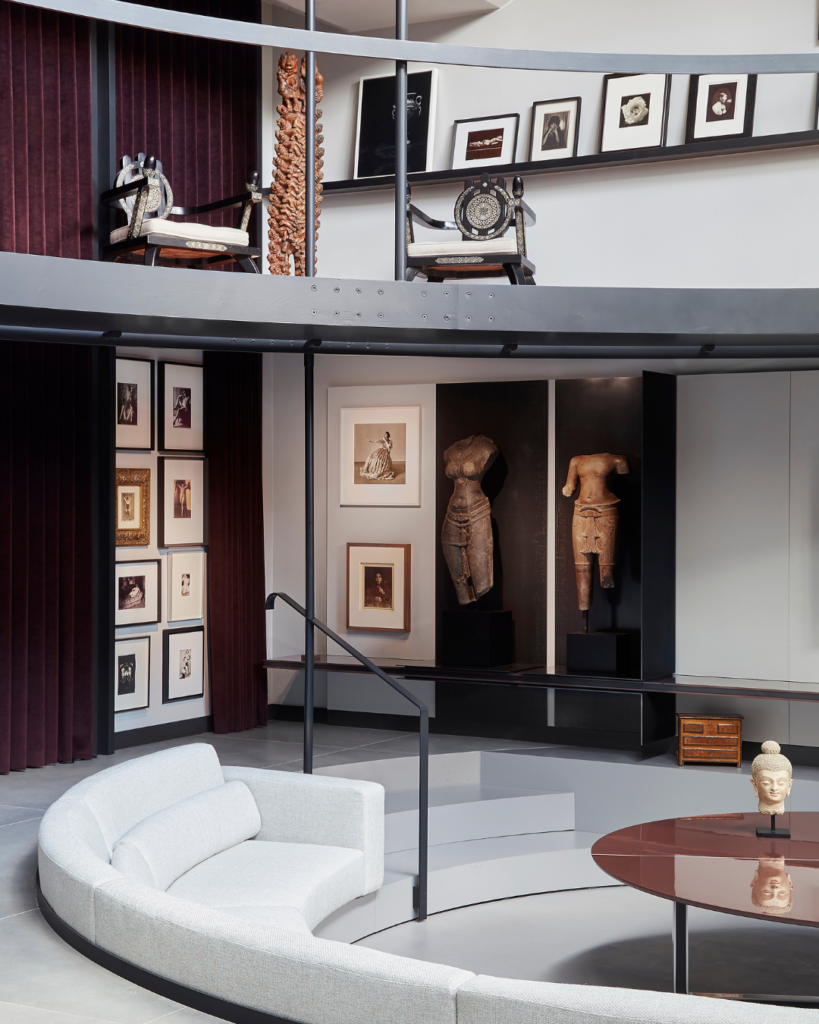
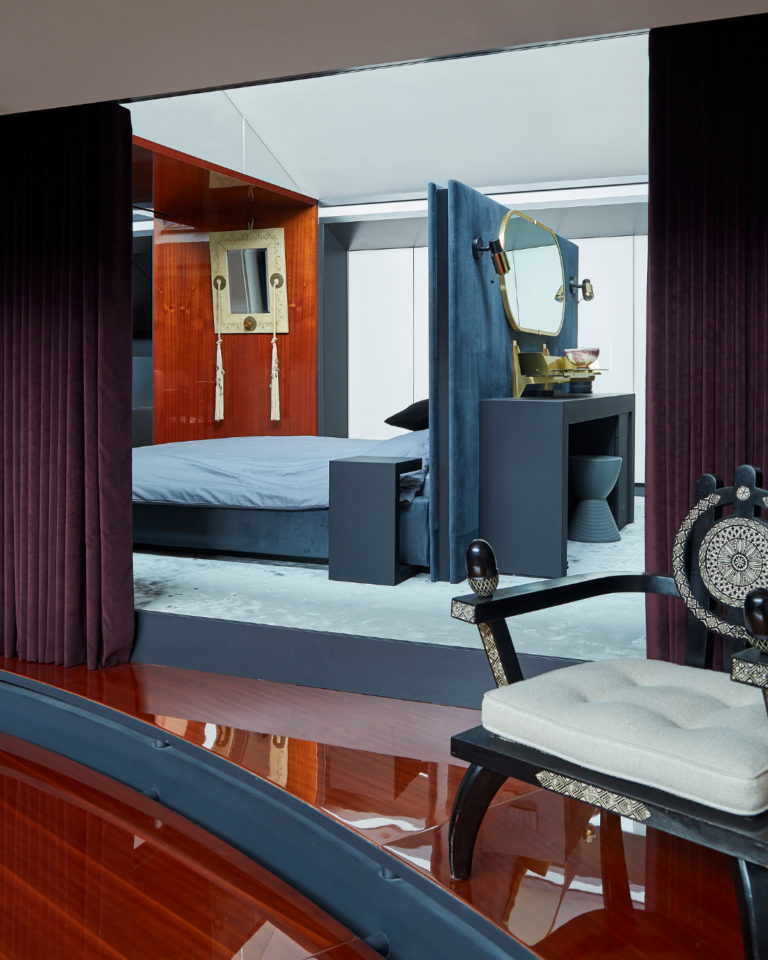
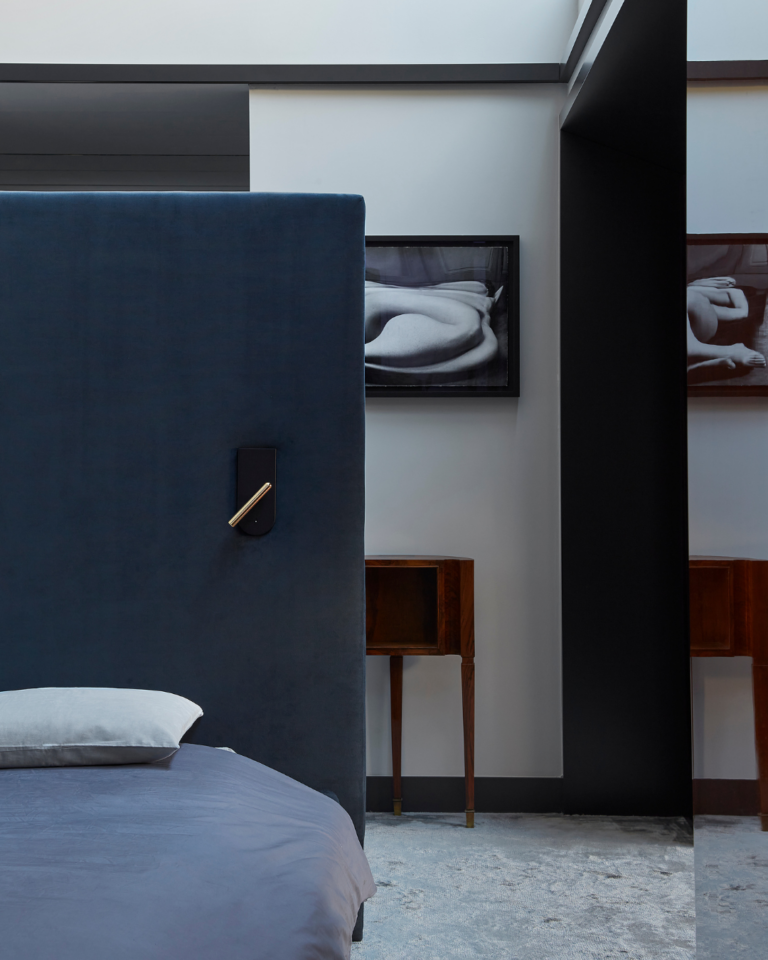
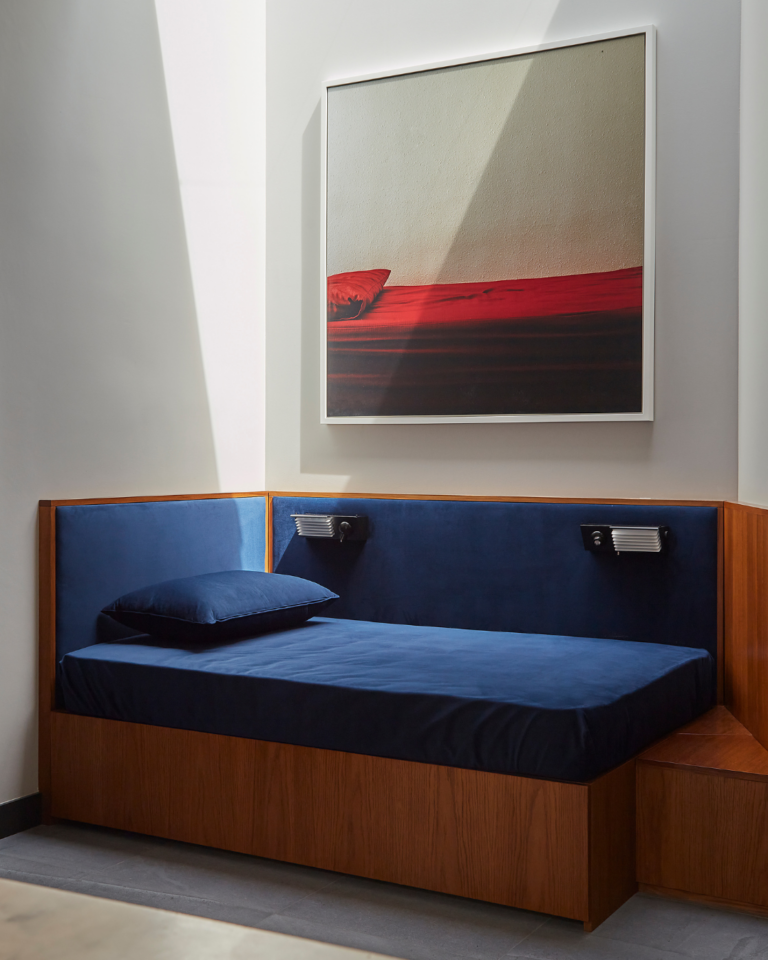
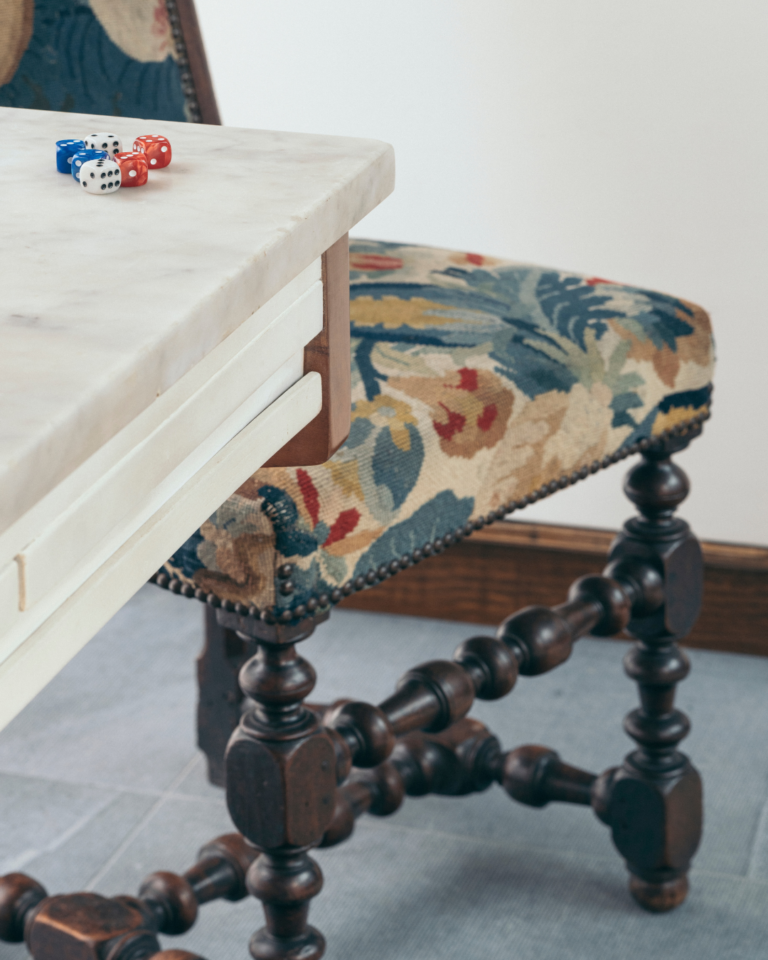
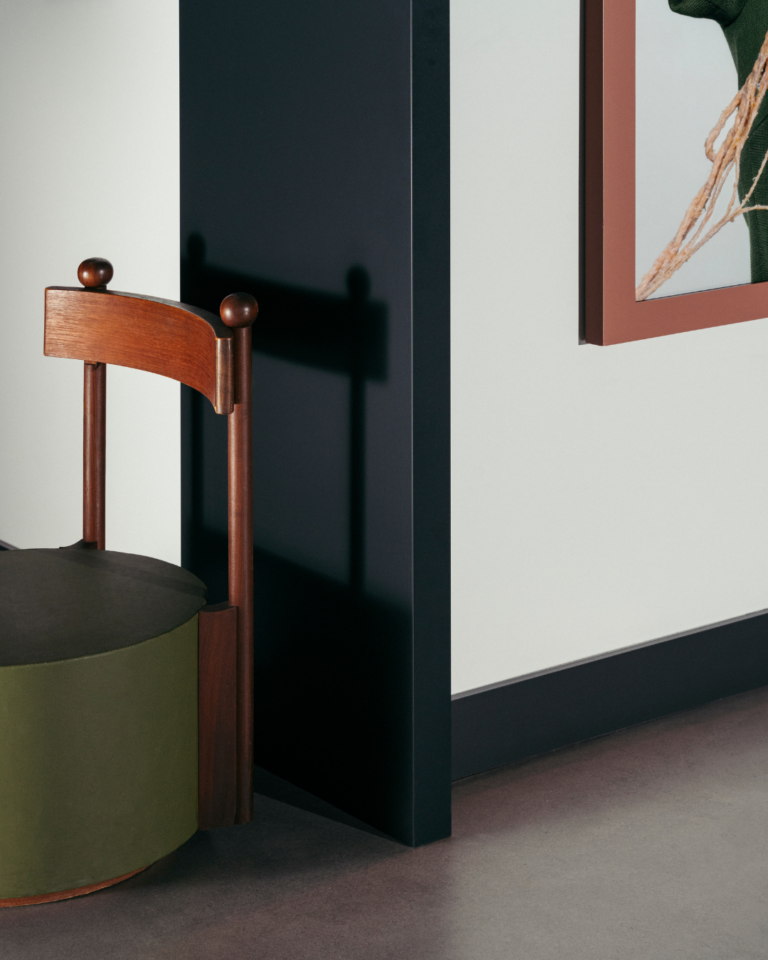
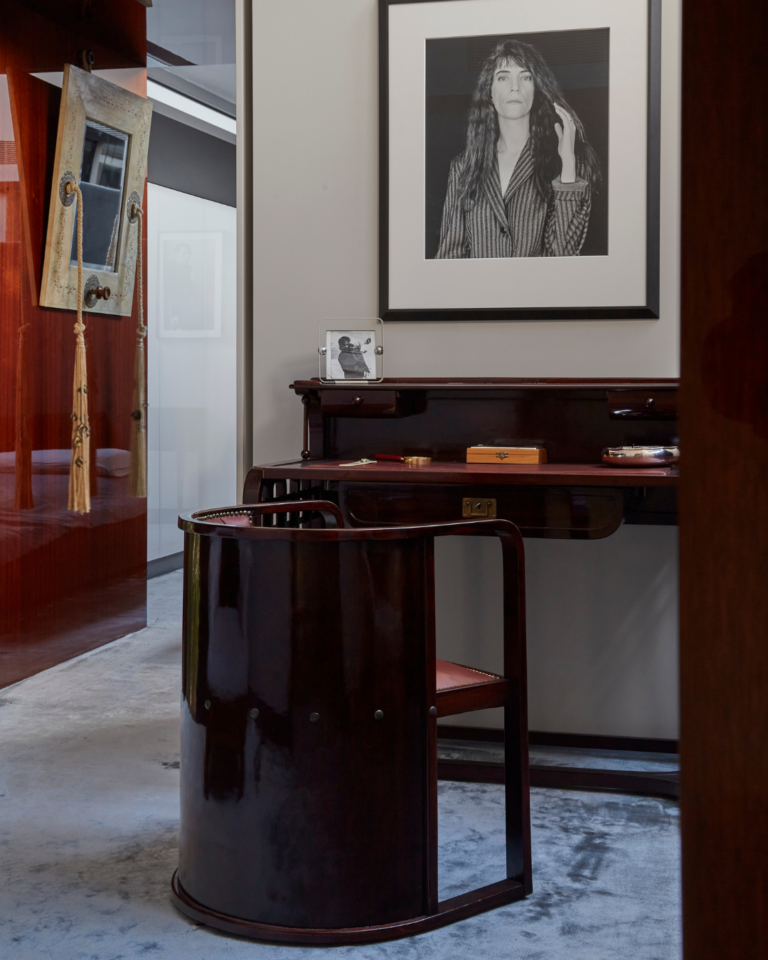
The encounter becomes the argument. The viewer is left to notice shared tensions and echoes that chronology alone seldom guarantees. This sensibility finds its most persuasive expression in the domestic scale of the Casa Museo itself, where photography, sculpture, design and architecture share the same air without being forced into artificial neutrality. The house is described as inhabited, and the word matters. It does not behave like a pristine cube designed to silence the world around the work. It allows the visitor to meet art within the rhythms of a real interior, where presence and intimacy remain unperformed and therefore convincing.
@CristopherGhioldi
@CristopherGhioldi
@CristopherGhioldi
Architecture here becomes a guardian, a carefully staged domestic topography unfolding across different levels, where the plan’s concentric curves suggest a compass rose alongside the quiet abstraction of a Kandinsky painting. The space draws its dramaturgy from Turin: Carlo Mollino’s Teatro Regio comes to mind, and the charged intimacy of his interiors, so that rooms feel like a micro-theatre in which curtains, thresholds, and concealed passages can shift what is revealed. Materials hold a deliberate gravity, with mahogany tones, deep reds, and a sensuous, almost subterranean palette that brings the photographs’ bodies and shadows closer. Design choices remain purposeful rather than ornamental, choreographing the act of looking. A circular “conversation pit” invites a round-table kind of attention, while nautical cues such as storage-like partitions and an economy of doors turn the house into a vessel for images, an instrument that contains them and carries them. The building’s former life stays legible, most poignantly in the untouched vault with its original plaque, a small reliquary of origin that reminds the visitor preservation begins with the space itself.
If Milanese collecting has often oscillated between severity and display, Molinario and Colombari propose a third mode: a cultivated permeability. The eye moves freely, without being instructed where reverence must begin.
@DSLstudio
@DSLstudio
@CristopherGhioldi
This private temple avoids public posturing, yet it performs a public function all the same: it trains attention. It grants the act of looking a seriousness that contemporary life, with its accelerated consumption of images, too often erodes. There is also an architectural poetry in the premise of the house museum occupying a former silver factory.Silver belongs to craft and reflection; it is a material shaped by labour, then brought to brightness. In this context the metaphor becomes apt. Photography is an art of surfaces that remember. Collecting is the work of arranging reflections until they begin to mean something together. Ultimately, the Ettore Molinario Collection offers a lesson in how culture can be housed. The works are neither sealed away behind institutional glass nor dissolved into lifestyle ambience. They remain close enough to life to retain their charge. In that closeness, one senses the project’s quiet conviction: devotion can be discreet, and a private vision, articulated with rigour, can still speak with clarity to the public imagination.
Unveiling the dialogue between Florence Welch and Autumn de Wilde, where music and vision converge to shape feverish images, ritual gestures, and a rare sense of visual enchantment.
An in-depth conversation with multimedia journalist and science reporter Silvia Lazzaris.
By Antonella Dellepiane Pescetto
Are you a sensitive and curious traveler, constantly searching for beauty, art and cultural inspiration? Sign up to receive the latest contemporary news!