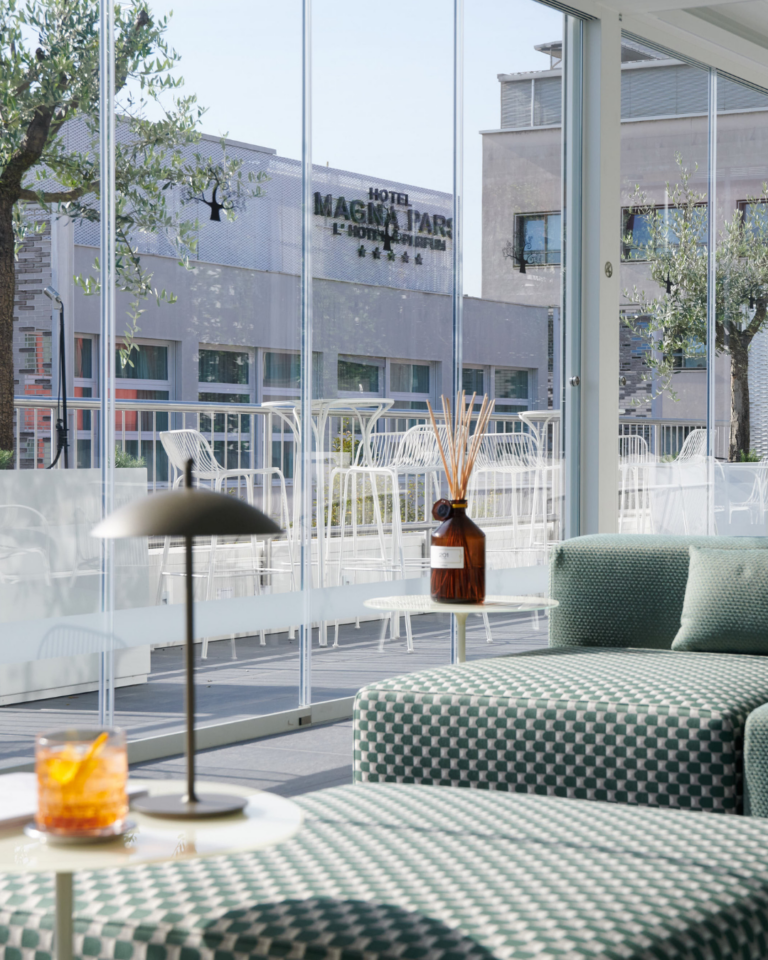
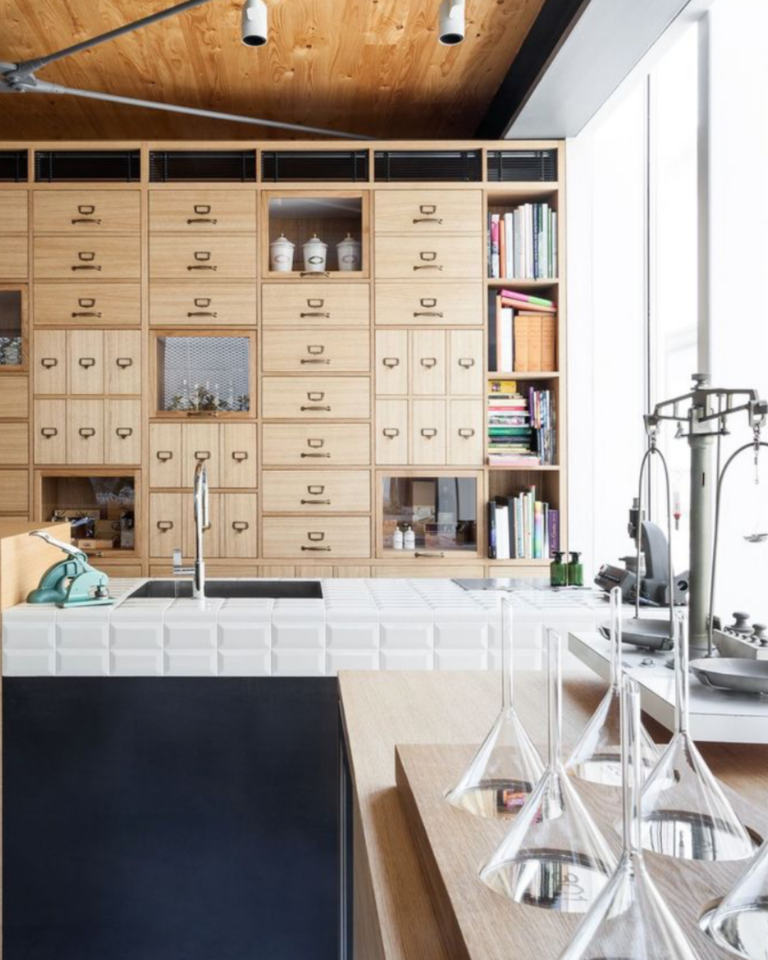
In the Navigli district, Magna Pars L’Hotel à Parfum defines a precise and recognisable presence, where identity emerges through scent and gently guides perception before any visual detail fully settles.
Its origins belong to the world of perfumery, to the historic Martone family, whose factory once animated these walls with the alchemy of essences, a legacy that still lingers, refined and transformed, inhabiting every surface with a discreet intensity. The past lives here as a quiet translation, a language that moves through suggestion and trace, carried by the delicate persistence of scent.
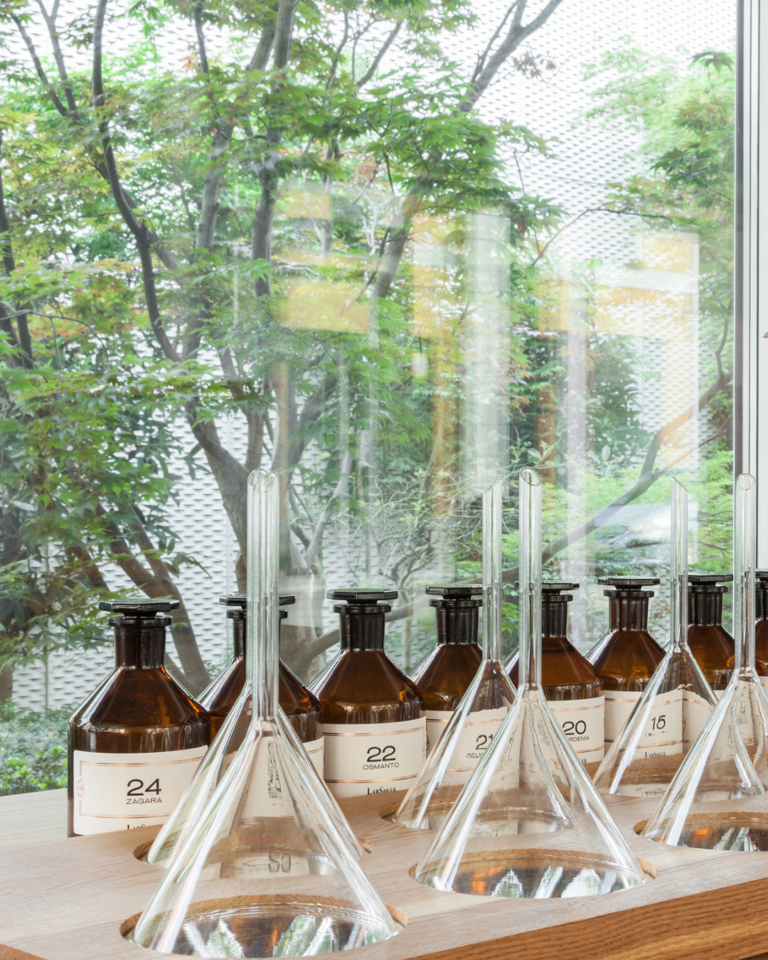
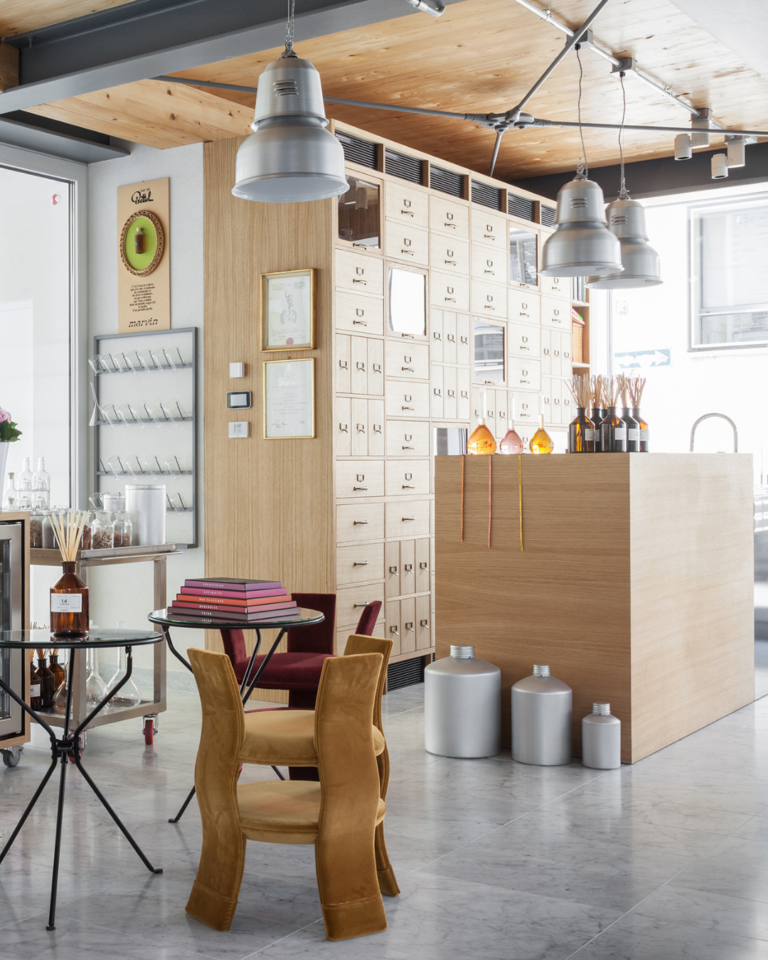
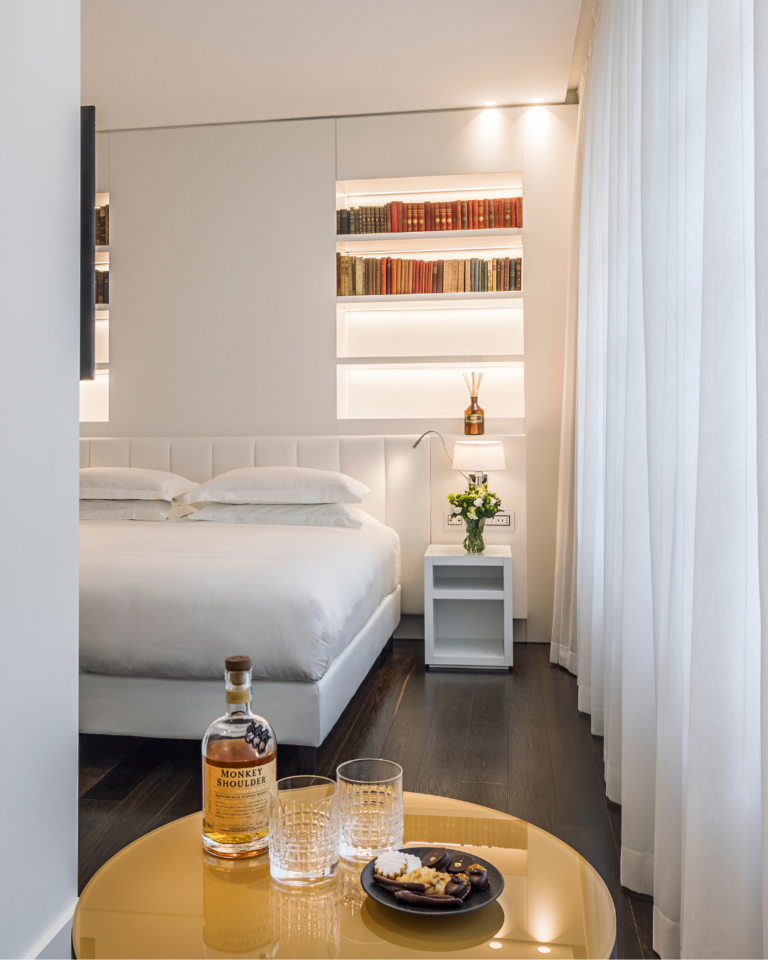
Inside, architecture follows a measured rhythm, with volumes opening in clarity and allowing light to rest softly upon wood, glass and textiles chosen with restraint, while each suite becomes a singular composition shaped around a specific aromatic identity. Cedar releases a grounded warmth, almost meditative in its depth, jasmine diffuses a luminous presence suspended between clarity and shadow, and other notes emerge with equal subtlety, each one defining a private landscape that invites a different state of mind.
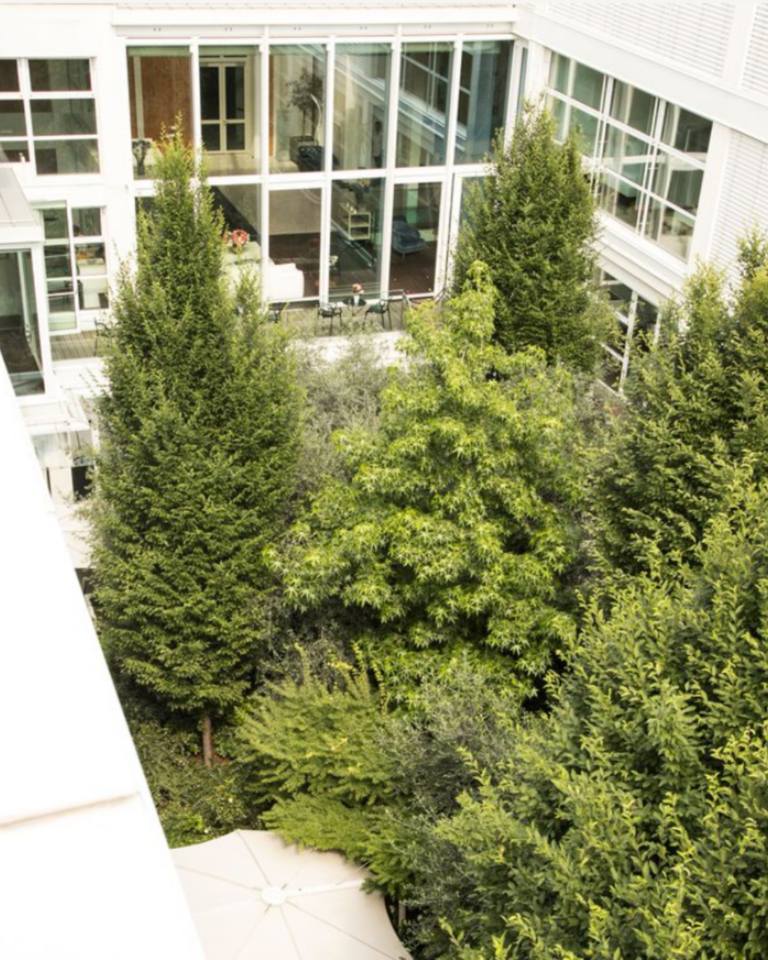
The garden extends this sensorial narrative beyond the interior, offering a living repertoire of botanical origins where plants grow with quiet intention, echoing the raw materials from which perfumes are born, while the air shifts with the seasons and carries nuances that feel both spontaneous and carefully attuned. Walking through this space resembles moving within a slow composition, where time aligns itself with the cadence of nature.


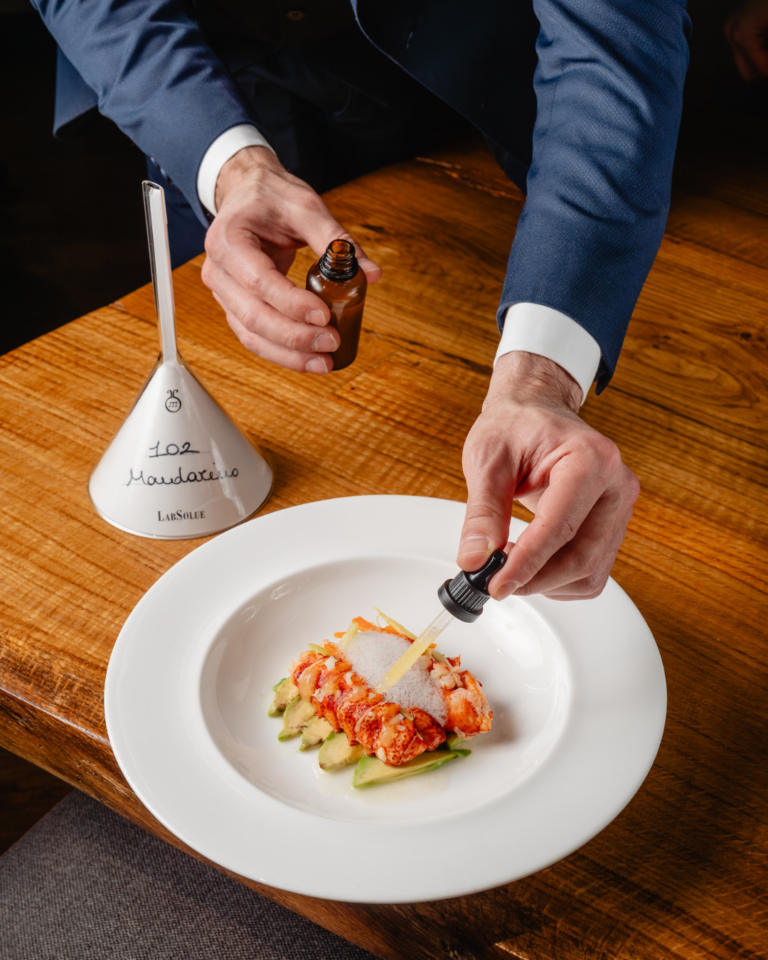
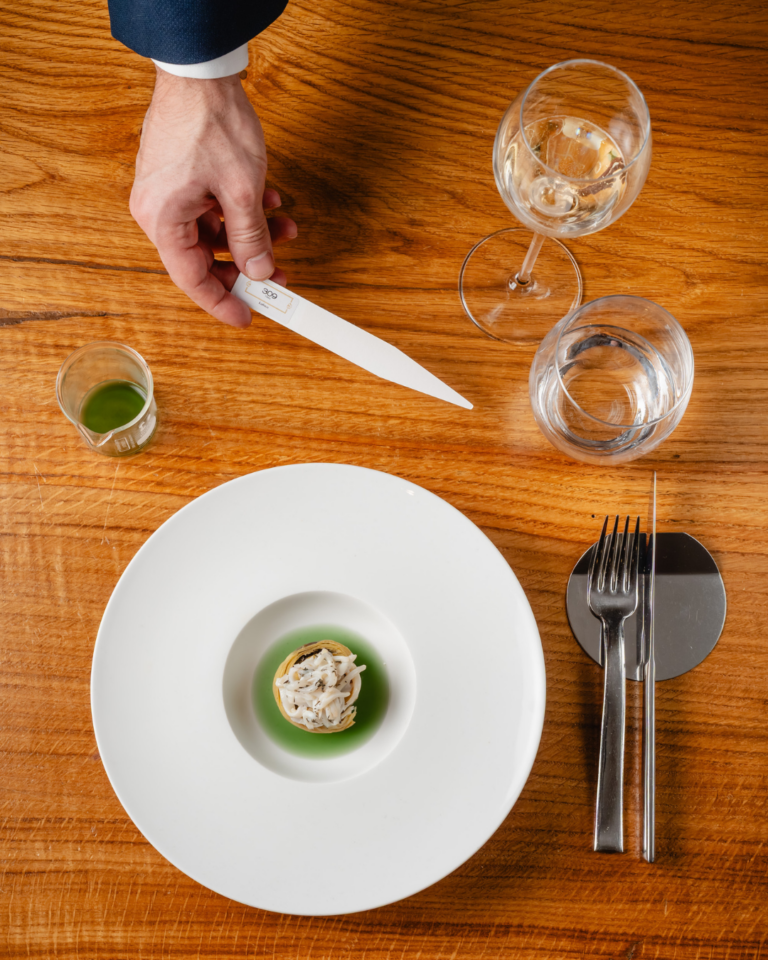
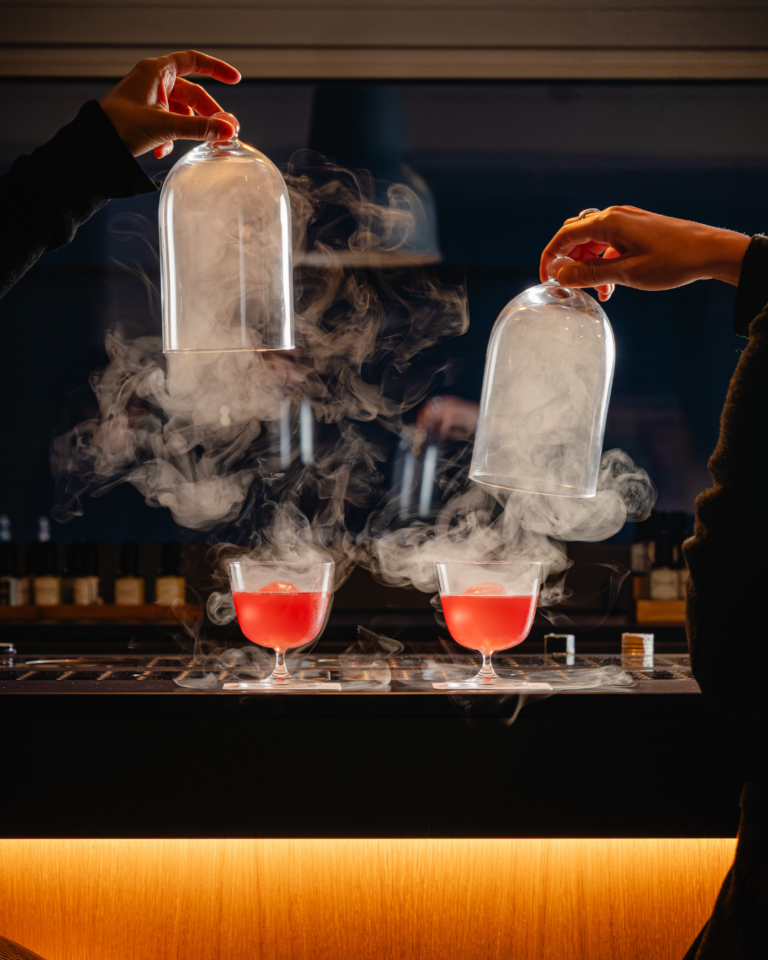
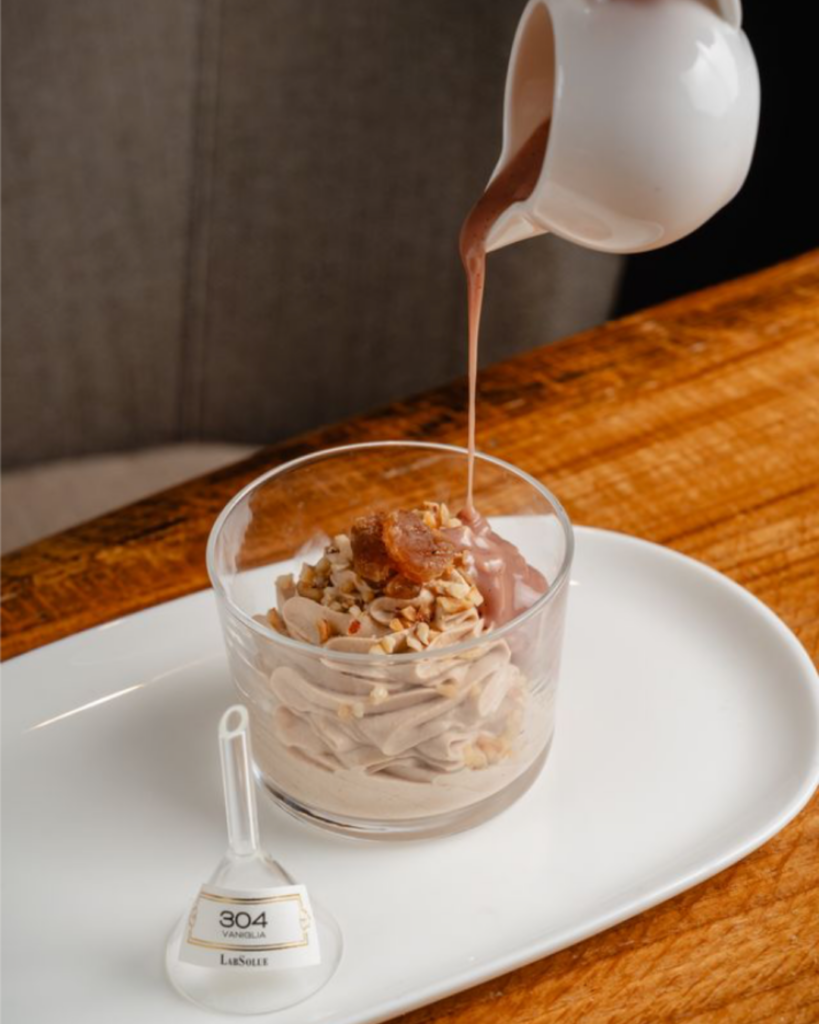
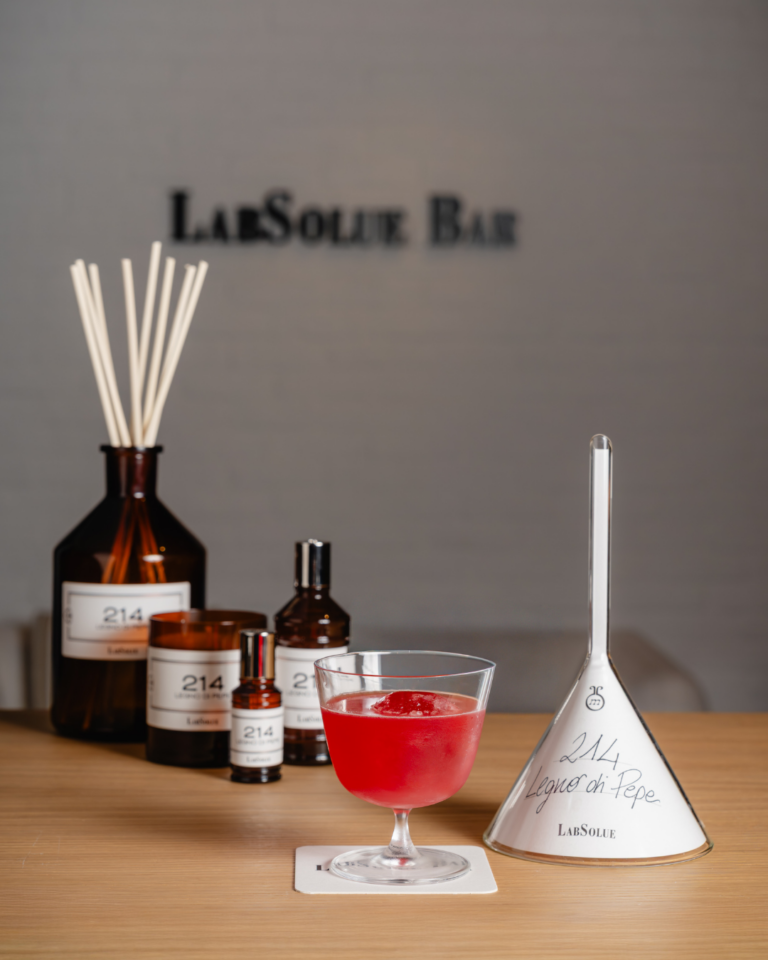
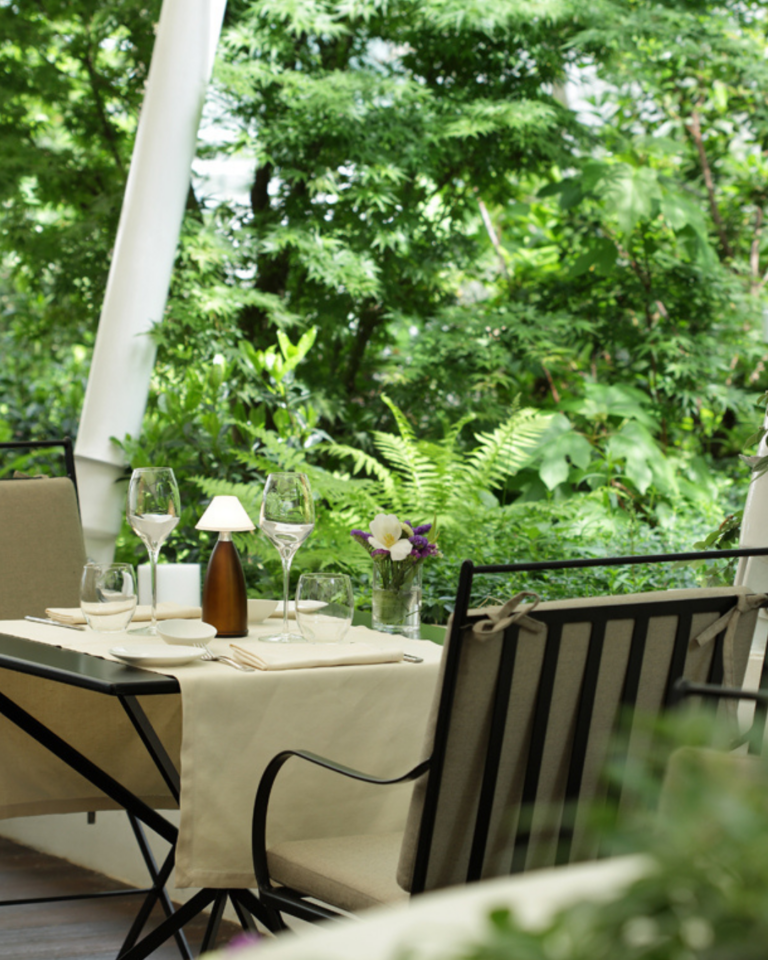
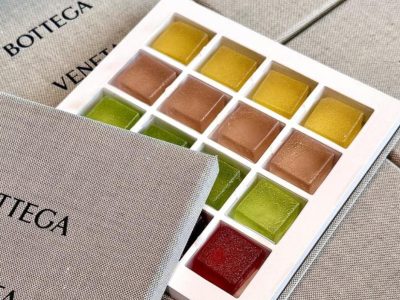
Within this context, the introduction of the Menu à Parfum follows a coherent evolution, with gastronomy becoming a continuation of the same philosophy and another medium through which scent can be explored and reinterpreted, as each dish is conceived as an olfactory idea translated into flavour and ingredients are selected with the precision of a perfumer assembling accords.
The experience unfolds through impressions rather than sequences, allowing a note of citrus to appear with a fleeting brightness before dissolving into something warmer and more enveloping, while spices resonate with a distant depth and offer texture and dimension, and sweetness arrives with restraint, leaving behind a trace that lingers with quiet intensity. The palate becomes a threshold where aroma transforms into taste, then returns to the mind as something altered, almost abstract.
This dialogue between cuisine and fragrance deepens the identity of Magna Pars, reinforcing its singular vision as a place where disciplines converge with an almost invisible precision and every detail participates in a larger composition, contributing to an atmosphere that invites attention and encourages a more attentive way of inhabiting space.
To stay here means entering a different tempo, one guided by perception rather than urgency, where the city continues to move beyond its boundaries, vibrant and expansive, while within these walls a sense of suspension takes shape and moments expand, sensations sharpen, and presence acquires a new density.
Magna Pars becomes a composition in itself, a space that gathers fragments of memory, scent and sensation, shaping them into an experience that lingers with quiet persistence, like a fragrance carried softly into what follows.