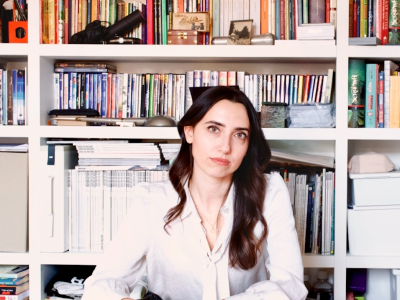
In the meditative rhythm of her images, the world returns to its elemental silence. Photographer Veronica Gaido traces the hidden breath of landscapes and rituals, revealing a metaphysical intimacy with time, slowness and impermanence.
There is a stillness at the heart of Veronica Gaido’s photography, a quiet frequency that resonates just beneath the visible. Born by the Tyrrhenian Sea, in Forte dei Marmi, her gaze has been shaped by thresholds — between land and water, ritual and everyday, shadow and shimmer. A photographer by trade, yet a seeker by vocation, Gaido does not pursue spectacle. She listens to space. She waits for light to fold, for forms to soften, for reality to whisper rather than declare.
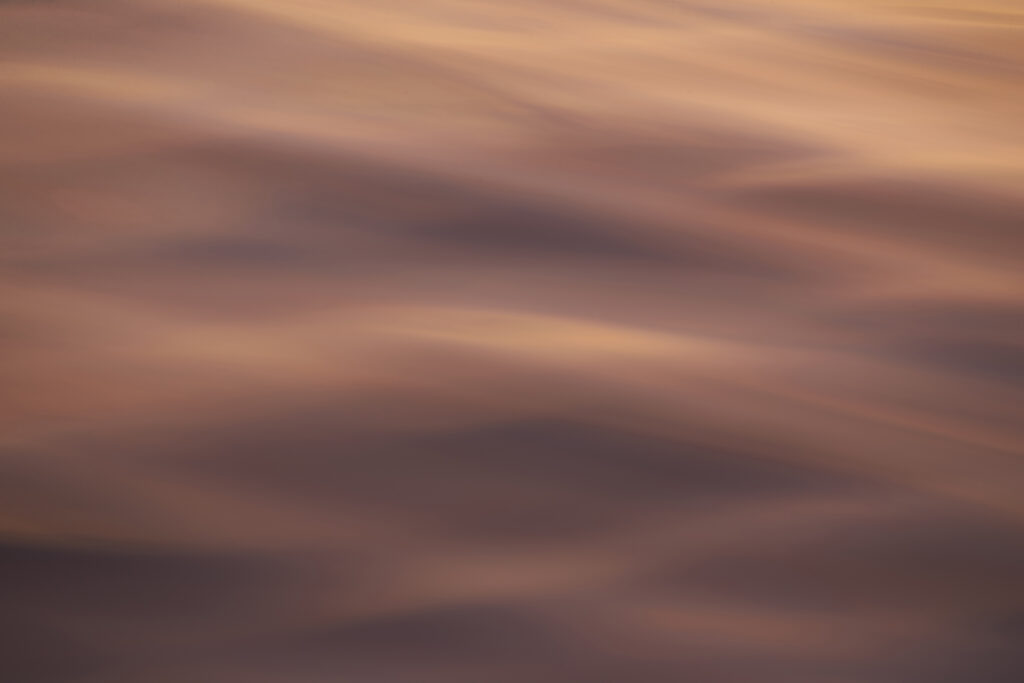
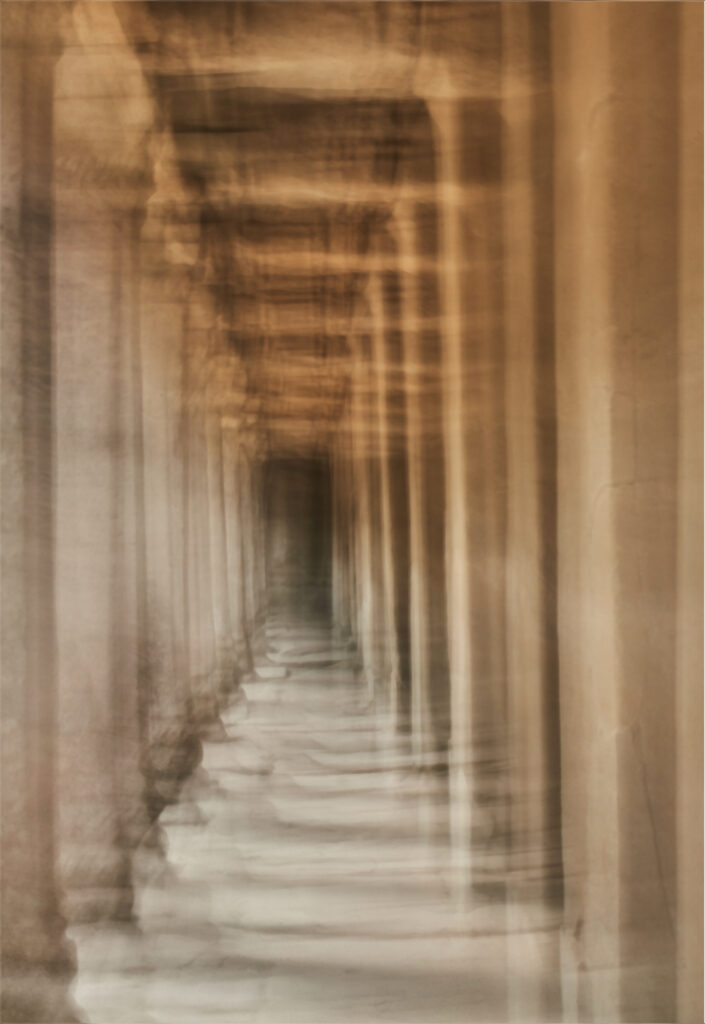
Architecture, geography, and sacred traditions inform her work, but always as echoes, never impositions. In Sacralità, she walks through temples as if through breath. In Shadows in the Water, she communes with the sea not to capture its movement, but to sense the memory it leaves behind. Time is never linear in her images. It accumulates like mist, dissolves like incense. The long exposures she favours are acts of faith — gestures of surrender to what cannot be forced or hurried.
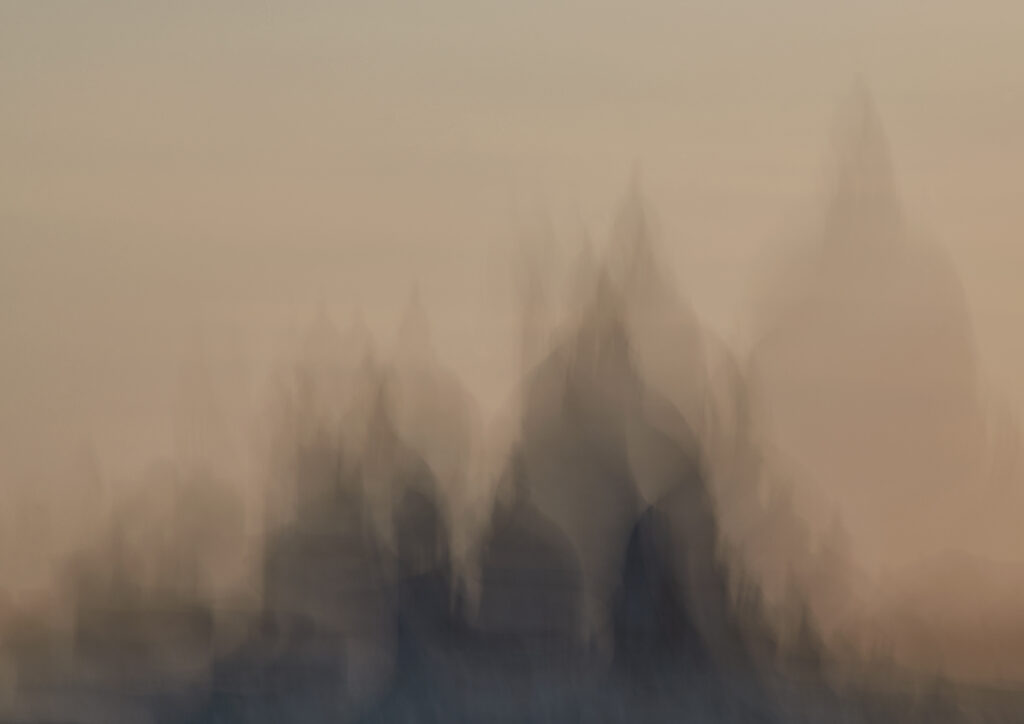
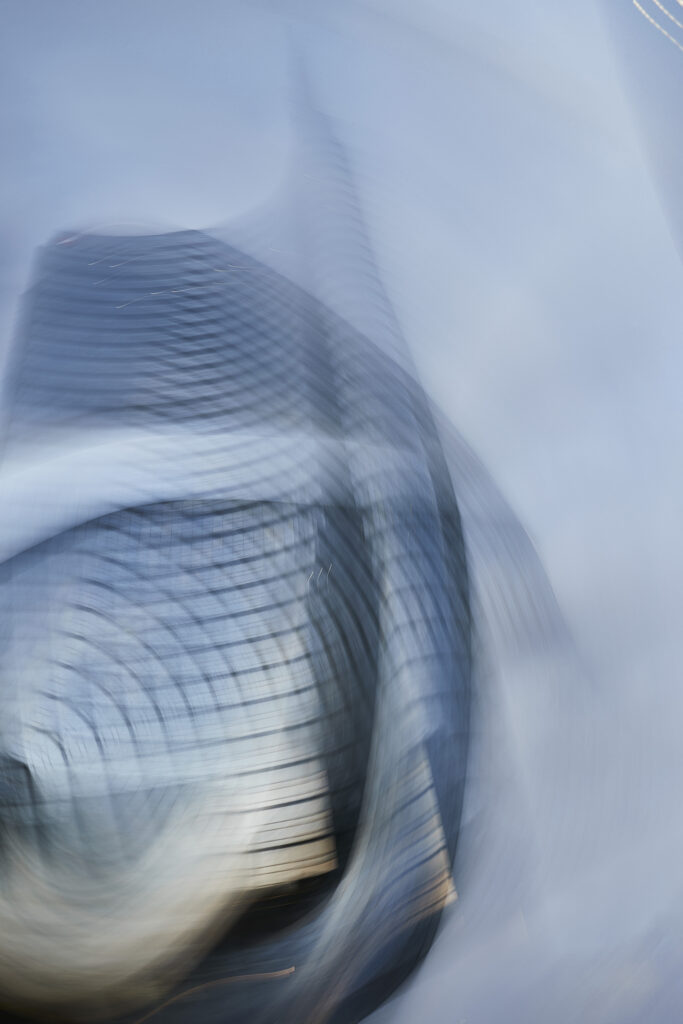
Le cattedrali del Silenzio, Veronica Gaido
How did your relationship with photography begin? Was it a gradual path or a sudden epiphany? «Photography entered my life quite naturally, almost as a form of protection. As a child I was very shy, and the camera became my way of approaching the world without feeling too exposed. It allowed me to be present, to observe, and to connect. It became my language — a way to express what I couldn’t always articulate in words. And then, of course, I was fascinated by the idea of stopping time, of holding a moment still. As I grew, and explored the mysteries of light and shadow, I realised how powerful that language truly was. Photography became my way of dwelling in the world, of interpreting it — and of belonging to it».
Your photographs seem to capture not reality, but the invisible vibration that permeates it. When did you realise your gaze was more attuned to the unseen than to the visible? «It happened when I began working with long exposures. I understood then that I wasn’t interested in documenting the visible, but rather in evoking the invisible — that silent presence that runs through everything».
Is there a privileged time of day when images tend to come to you — dawn, dusk, the hush of night? «Every moment has its own voice, but I’m especially drawn to the light of early morning and the suspension of twilight. Those are times when even time itself seems to slow down, hovering between visibility and mystery».
Poetry seems to take physical shape in many of your works. Is there a poet or a poem that resonates with your vision? «I feel a deep kinship with Chandra Livia Candiani’s poetry. But if I look further back, I hear the echo of Leopardi’s L’infinito — that hedge “which from so much of the ultimate horizon the gaze excludes,” while opening a space of imagination and vertigo. “And shipwreck is sweet to me in this sea” — that is an image I could photograph. Also Alda Merini, who knew how to speak of pain with visionary grace. Her words arrive like lights in the dark: soft-footed, yet capable of revealing entire abysses. These are authors who treat language the way I treat the image — seeking the silence between the lines, that invisible matter that gives everything its meaning».
Many of your most intense works resemble silent prayers. Is there spirituality in your way of photographing? «Yes, though not religious — it is a deeply human spirituality. Photography, for me, is a form of meditation. A silent listening, both inward and outward. Each shot becomes a conversation with what cannot be seen».
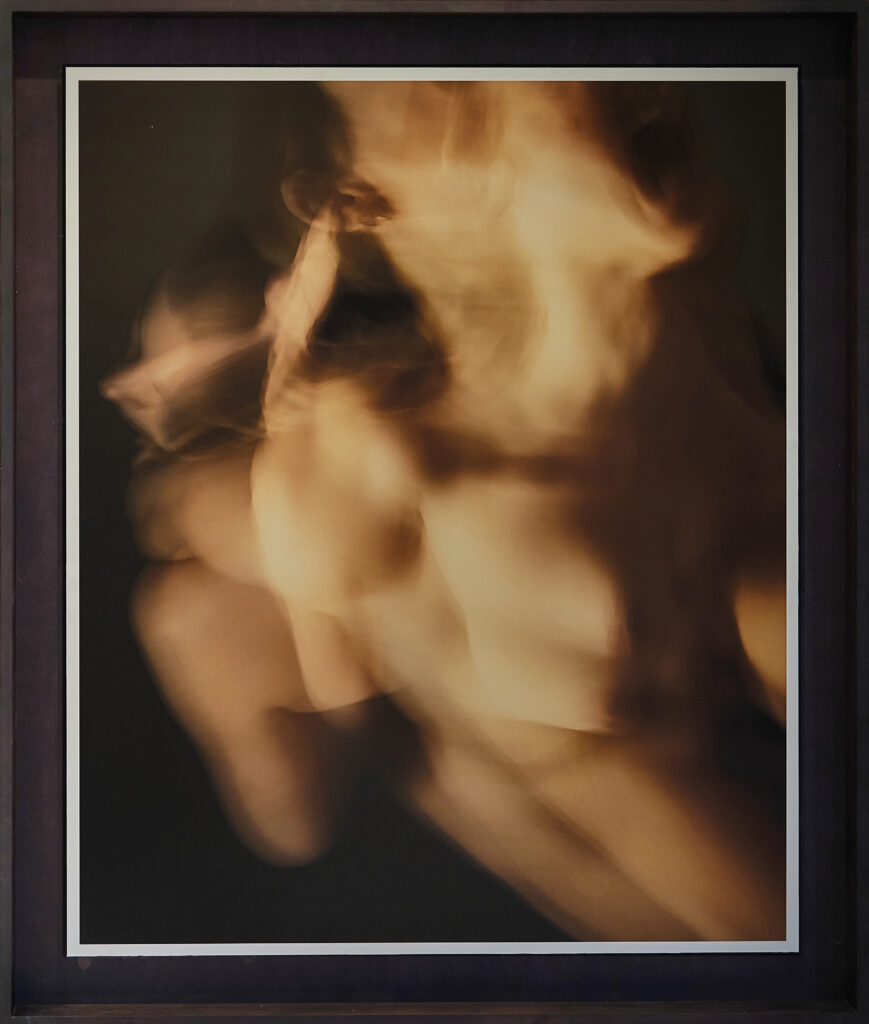
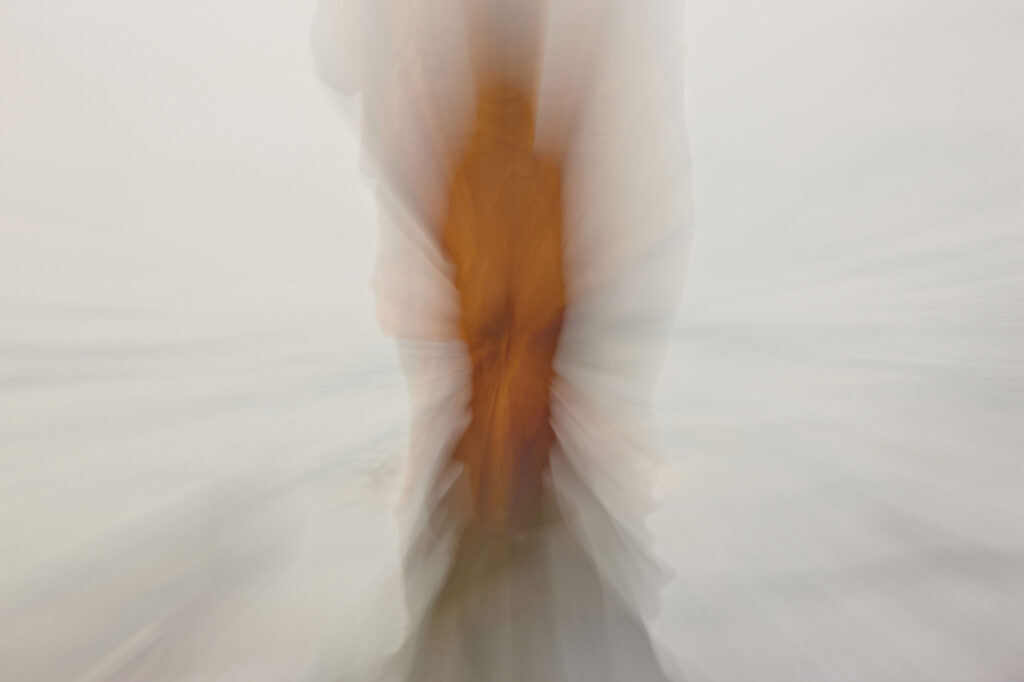
Respiro dell'assenza, Veronica Gaido
What is the relationship between your breath and the act of taking a photograph? Does your process include physical ritual or meditation? «Absolutely. There’s a rhythm to it, almost like a dance. Breathing guides the tempo of the exposure — especially in long ones. It’s a meditative practice, a way of syncing with my inner sense of time».
Have you ever felt that a photograph was choosing you, rather than the other way around? «Many times. Images often arrive on their own — they choose me. I simply have to be ready to receive them, to recognise the moment when everything aligns».
Your work often returns to elements like sea, fog, wind and sand. What do these landscapes mean to you? «Landscape, for me, is a metaphor for the soul — an inner space, not merely a geographical one. Sea, fog, wind and sand speak to memory, nostalgia, impermanence. I’m not drawn to documenting events, but to evoking the unseen emotions they hold».
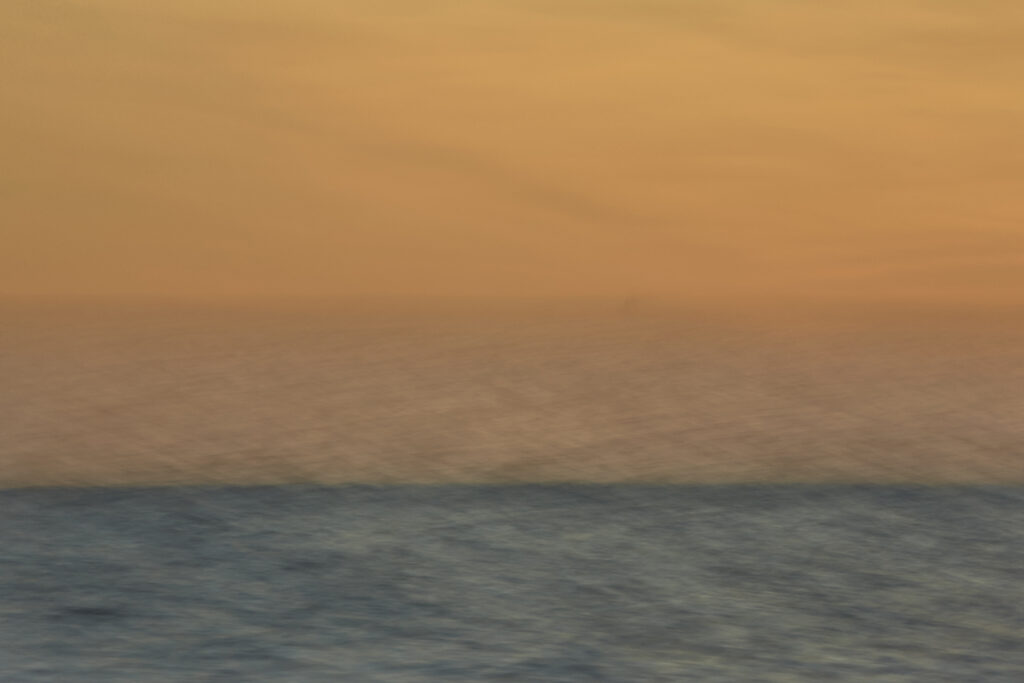
Eris, Veronica Gaido
How important are intuition and patience in shaping your images? «Both are essential. Intuition is the spark, patience is the breath. One must know how to wait, but also how to seize the instant».
Have you ever abandoned a photograph because it felt too perfect? «Yes. Perfection can be like a surface too smooth to touch — nothing holds. As Umberto Galimberti said, error is the true space of the human. I’m drawn to the unexpected detail, the slight imperfection that opens new questions. A perfect image often feels closed. I prefer those that waver — that suggest more than they show».
Your work speaks volumes even when it subtracts. What has emptiness taught you? «Emptiness teaches me to see what cannot be narrated. It’s where imagination breathes, where silence becomes eloquent. Subtraction brings me back to essence».
If you could compare your gaze to a natural element, what would it be? «Water. Fluid, transformative, capable of revealing and dissolving at once. Water is both my visual and philosophical element».
Do you carry a sentimental geography of the places you’ve photographed — a private atlas? «Absolutely. Every place I’ve crossed has left an inner trace. Versilia is root and home. Milan is discipline. Venice is dream. New York is movement. And the East — especially China and Japan — occupies a profound place. There I encountered a culture of silence, of slowness, of accepted imperfection. These are emotional maps I keep redrawing within me — shifting borders, adding layers, like the recurring images of dreams».
There’s a narrative tension in your work. Do you think a photograph can contain a story, or does it open one? «For me, a photograph always opens a story. It is a threshold, a beginning, an invitation to imagine what lies beyond the frame».
Can artistic sensitivity and social commitment coexist in visual language? How do they dialogue in your work? «I believe every image holds an implicit ethical responsibility. I don’t photograph to denounce, but to invite deeper attention — to make visible what we usually overlook».
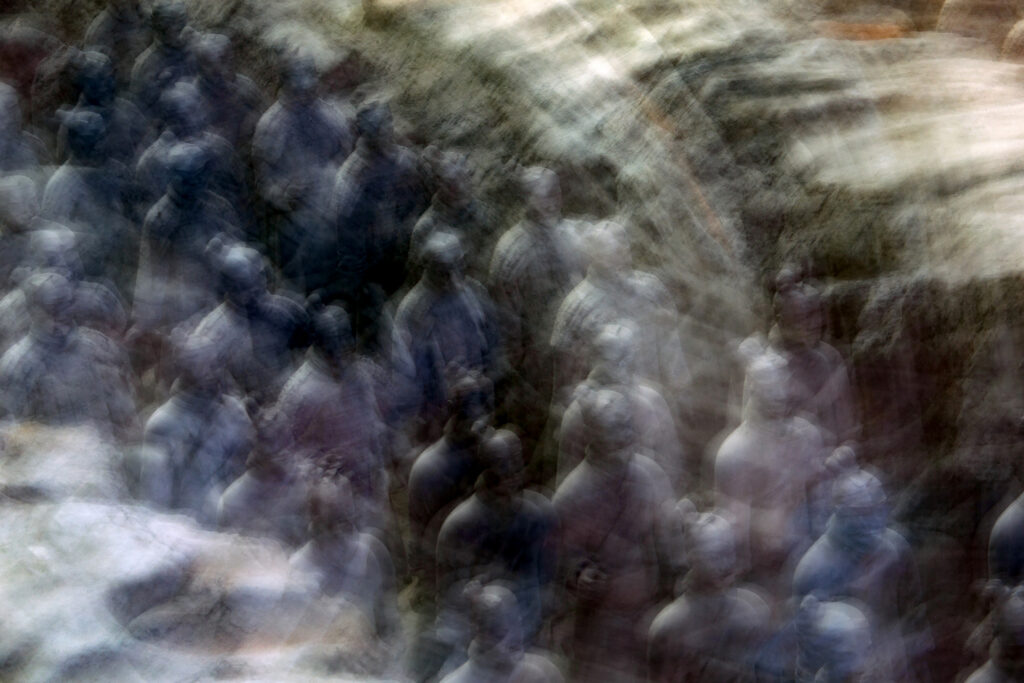
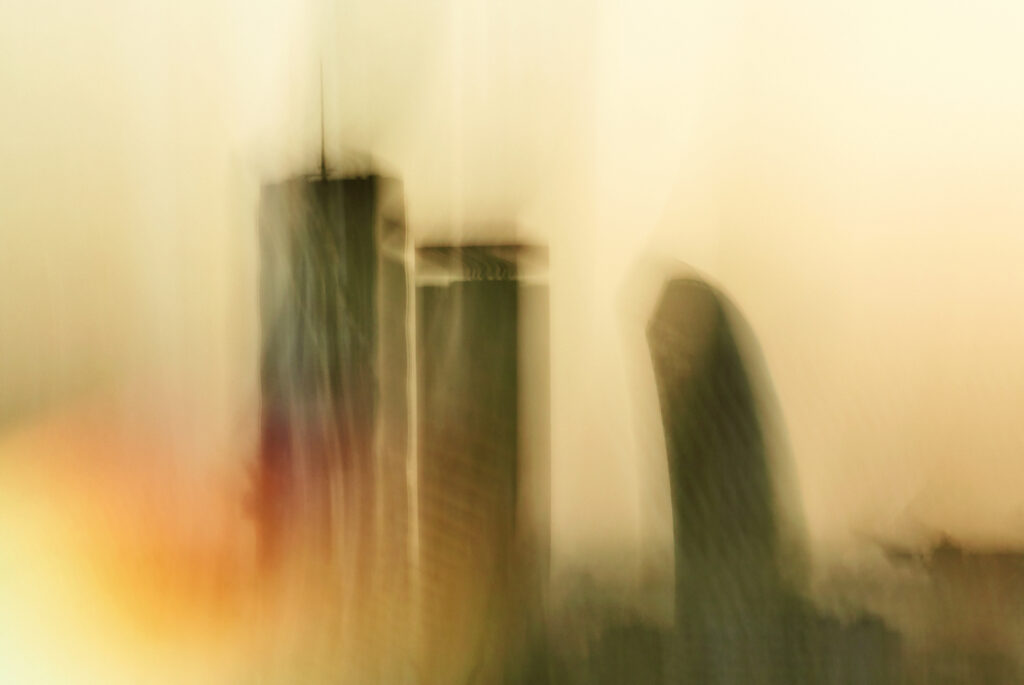
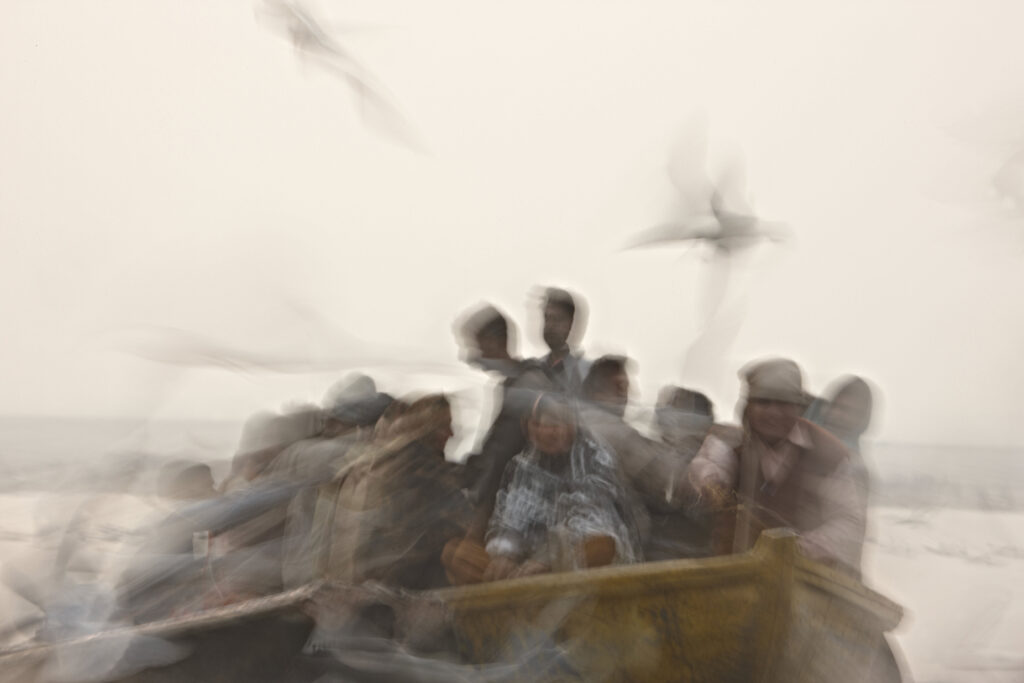
IL FIUME DI BEIJING, Veronica Gaido
In an age where the image is often a simulacrum, how do you resist visual superficiality? «By slowing down. I use long exposures to dilute the speed of the present. It’s an act of resistance — a way to return depth and inner time to the image».
Has motherhood transformed your way of seeing the world? «Motherhood changed my perception profoundly. It made me more attentive, more present. It taught me to look with greater tenderness. It’s a gaze that opens, that welcomes, that remains even when it no longer sees. It made my eye less aesthetic, more essential. Now I look for what speaks of care, of presence, of time offered».
What kind of mother are you? What do you hope your daughter learns from the way you live womanhood? «I’m a mother who listens, who makes room — even when it’s not easy. I hope she learns to be free, authentic, brave. That she always dares to be true to herself, even when the world pushes the other way. I’ve tried to teach her everything through example. And thank goodness she probably won’t read this interview — otherwise she’d certainly have something to say, like all daughters do with their mothers!»
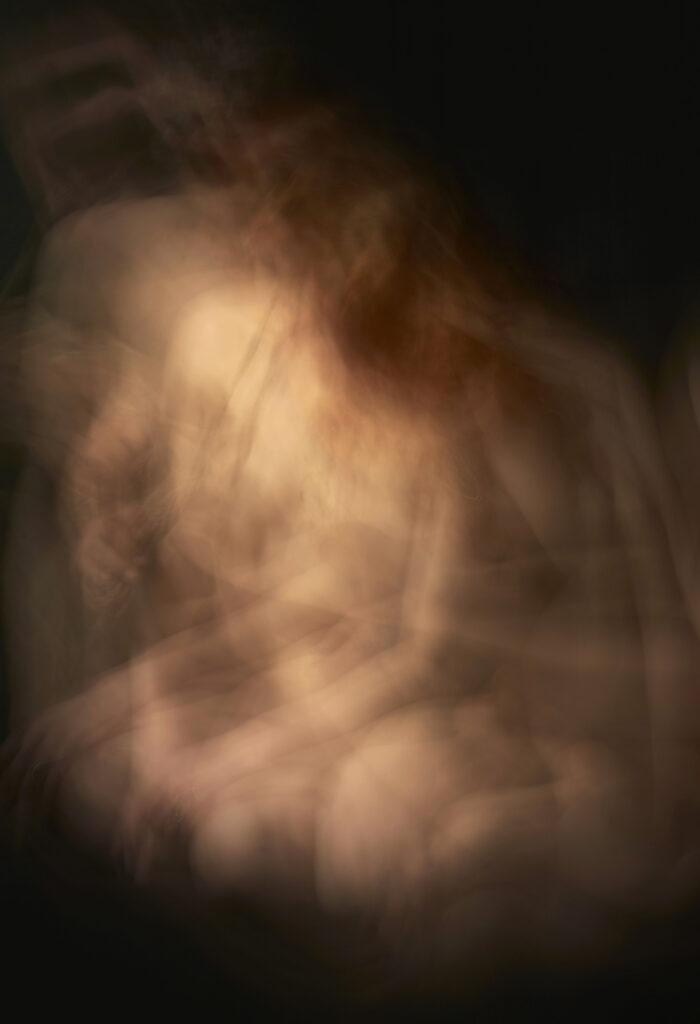
Intrecciami, Veronica Gaido
What moves you most these days — beyond work, beyond roles? «Kindness. The real kind — unassuming, uncalculated. It’s rare, and it touches me deeply. I try, in my small way, to give something back: to help, to listen, to be present. One experience I hold dear is a photography workshop I ran for children with autism at Dynamo Camp. It was designed for them, yet they taught me far more than I could ever teach. Their way of seeing — unfiltered, instinctive, essential — revealed a truer, simpler world. One that matters».
If you ever stopped photographing, what image would you want to be your last? «A wave drawing back, erasing everything — ready to begin again».
Unveiling the dialogue between Florence Welch and Autumn de Wilde, where music and vision converge to shape feverish images, ritual gestures, and a rare sense of visual enchantment.
An in-depth conversation with multimedia journalist and science reporter Silvia Lazzaris.
By Antonella Dellepiane Pescetto
Are you a sensitive and curious traveler, constantly searching for beauty, art and cultural inspiration? Sign up to receive the latest contemporary news!