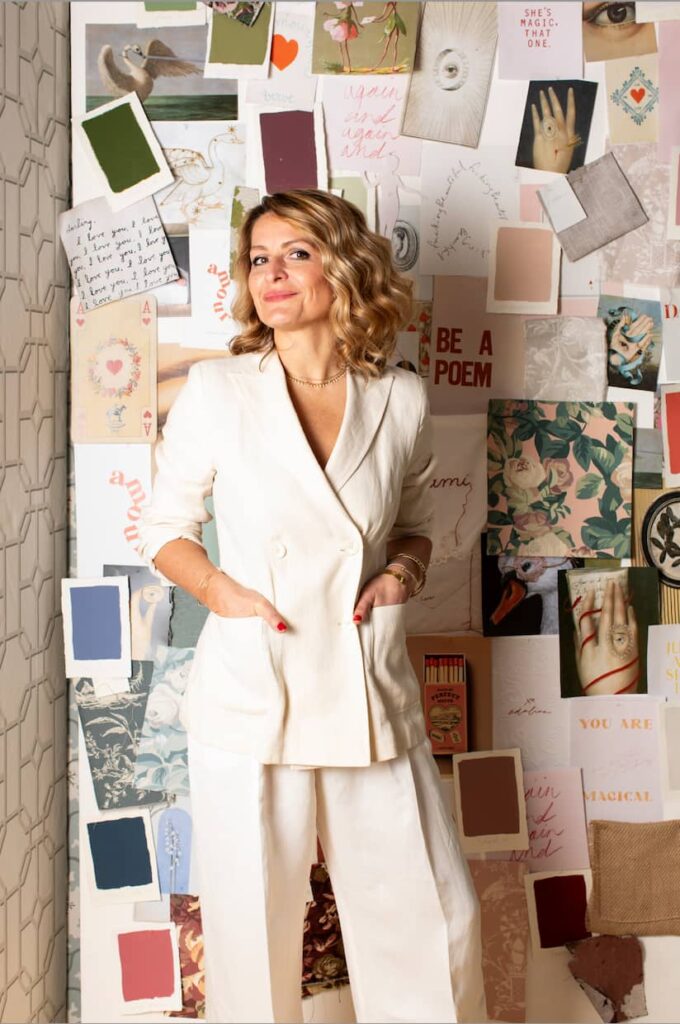
Darija Bazdan is a Croatian entrepreneur, designer, artist: many different souls, all deep rooted in colour and beauty.
Darija founded Darlingmind Studio, a multidisciplinary atelier based in Turin, Italy, specialized in visual identity, surface design, and product development, merging artistic intuition with design research.
Our founder, Antonella Dellepiane Pescetto had the pleasure to chat with Darija about Darlingmind studio and her creative vision.
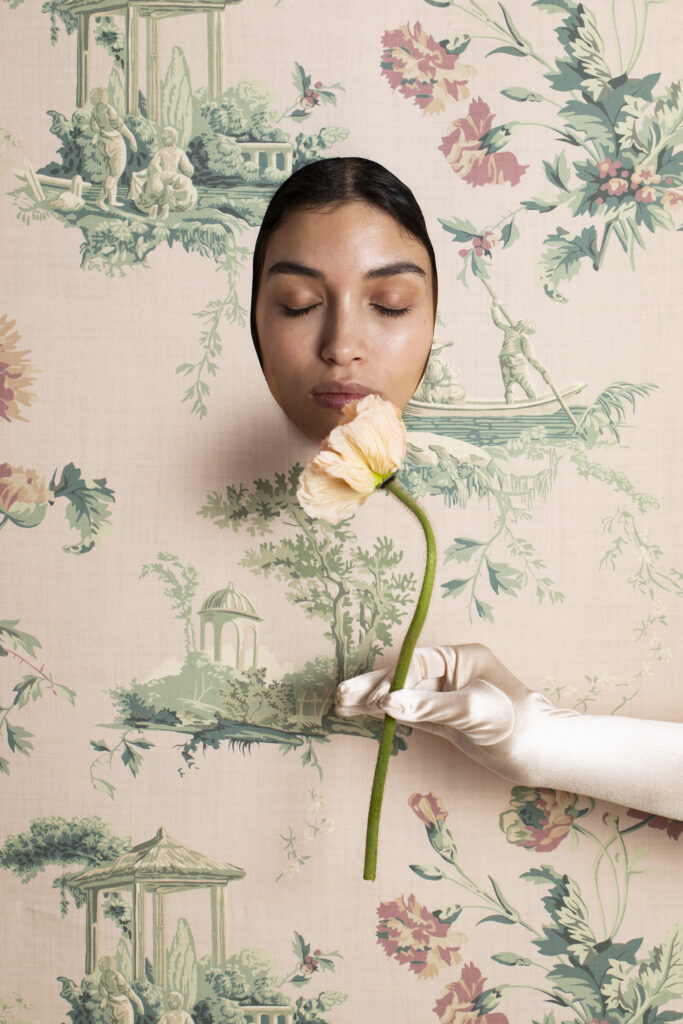
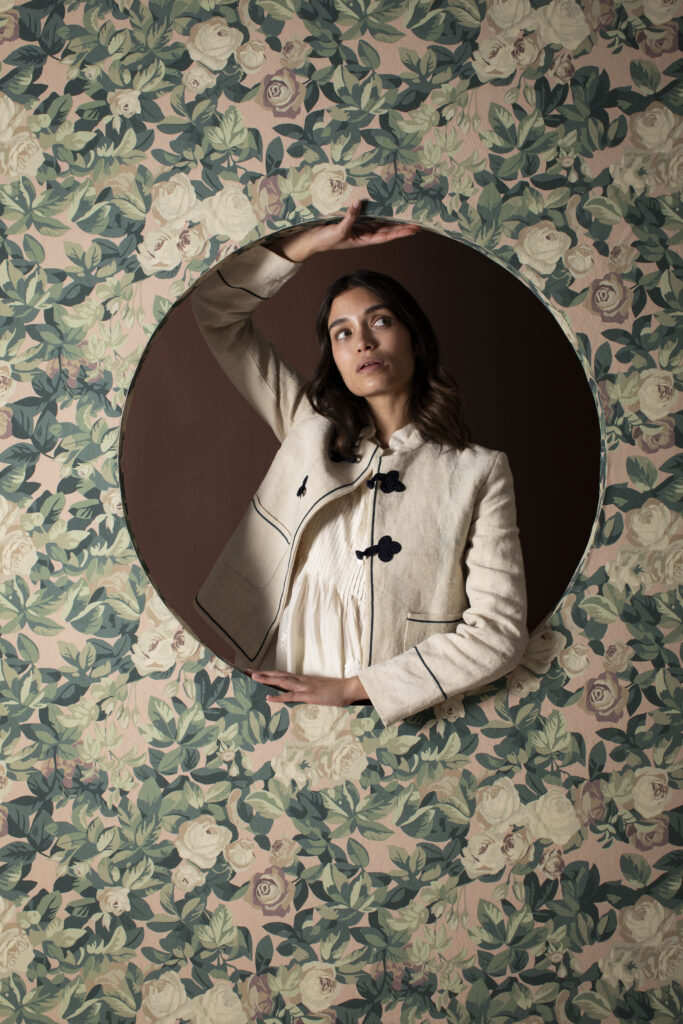
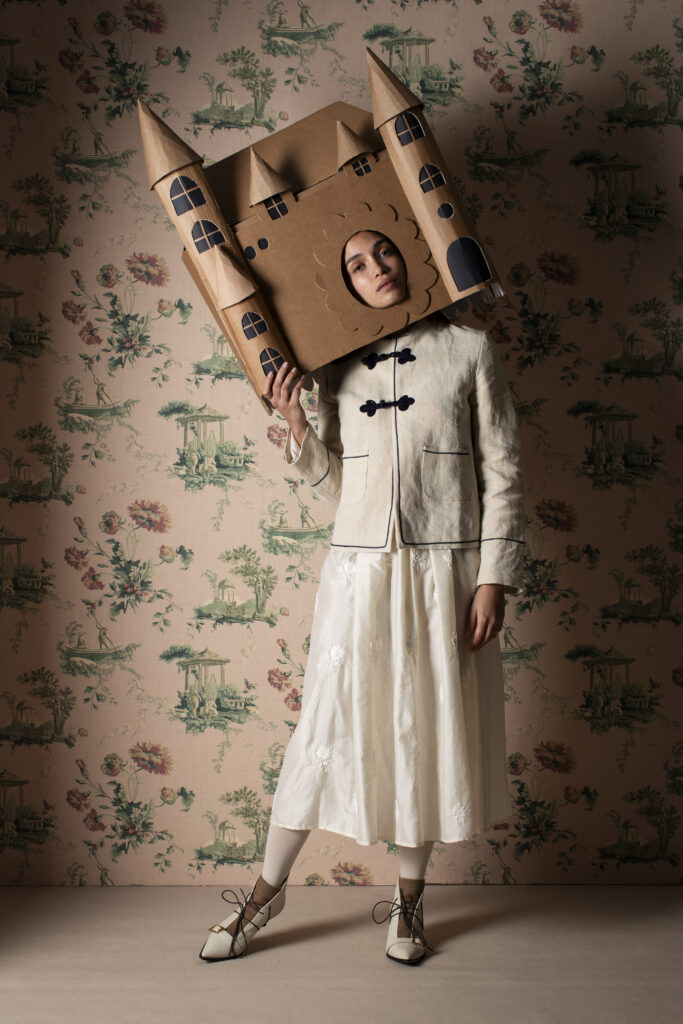
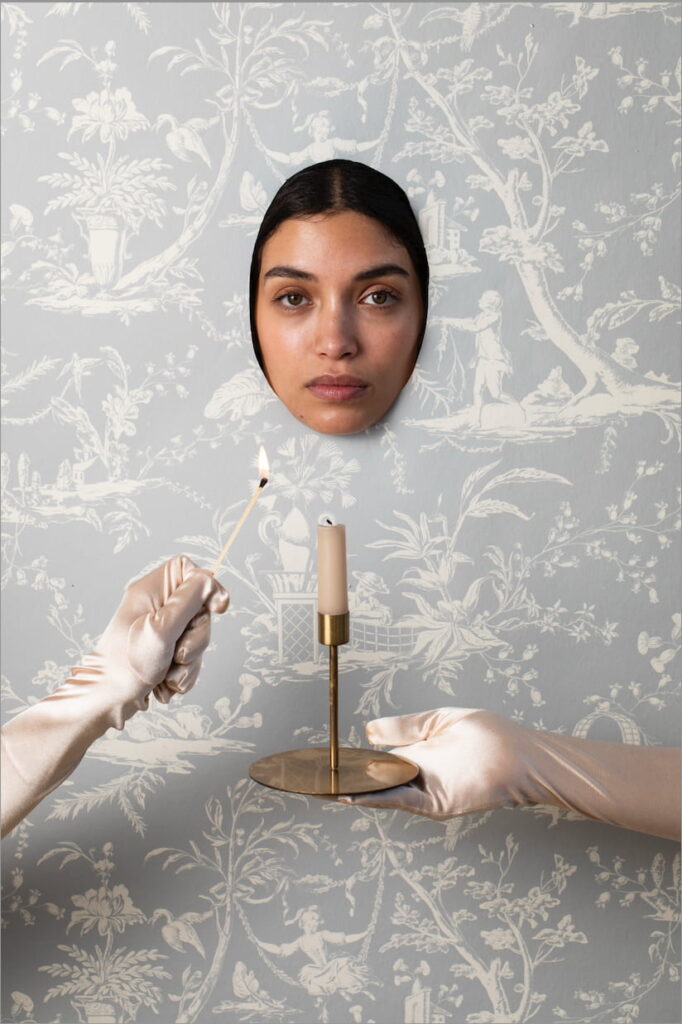
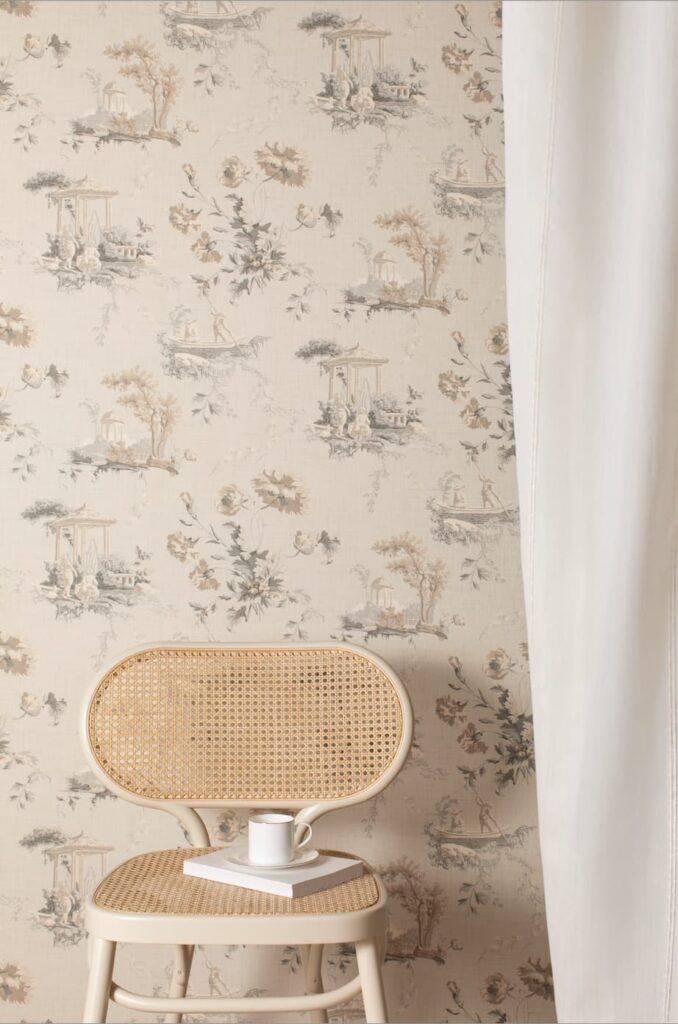
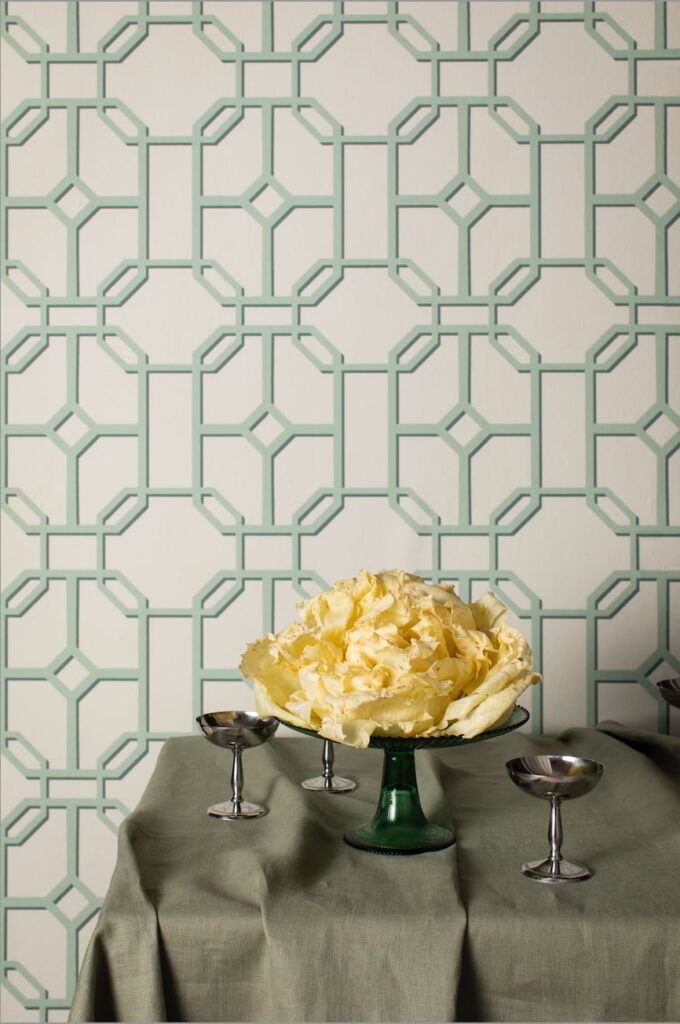
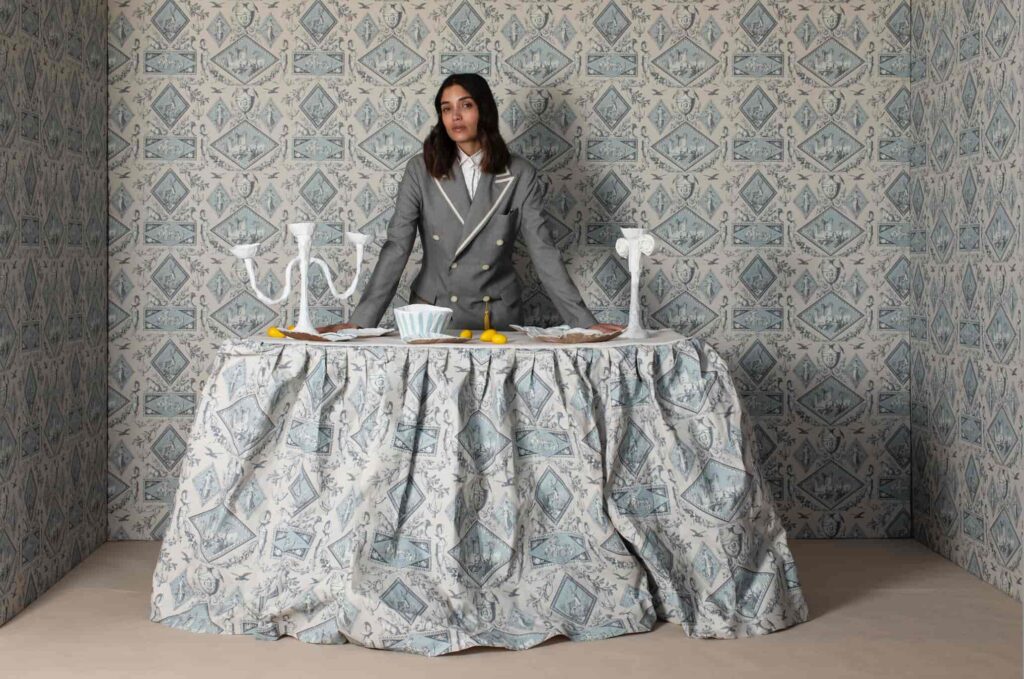
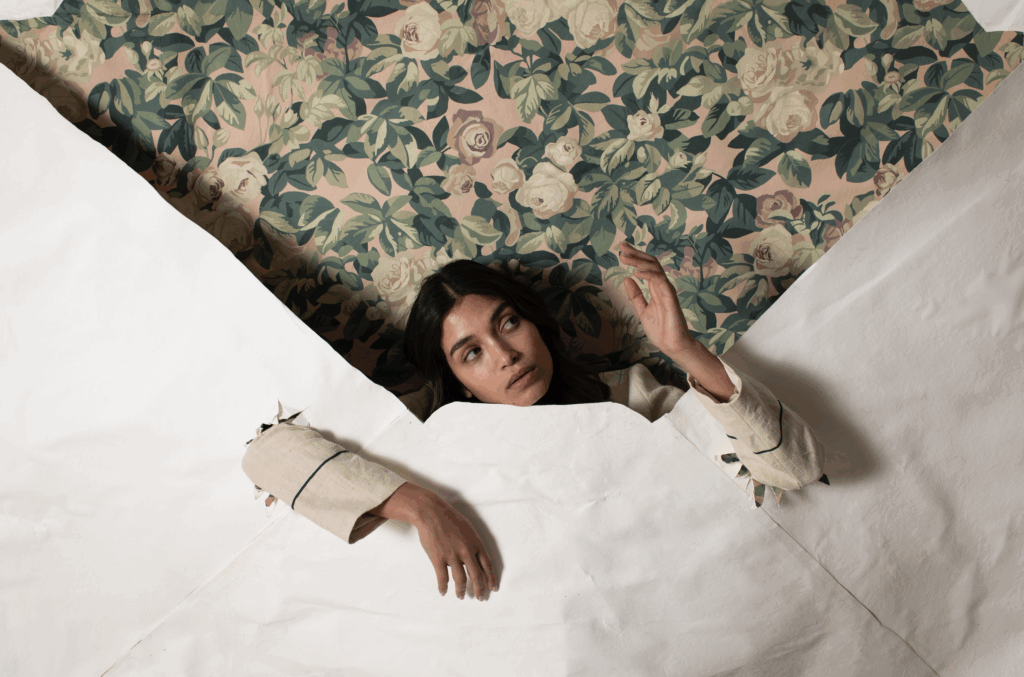
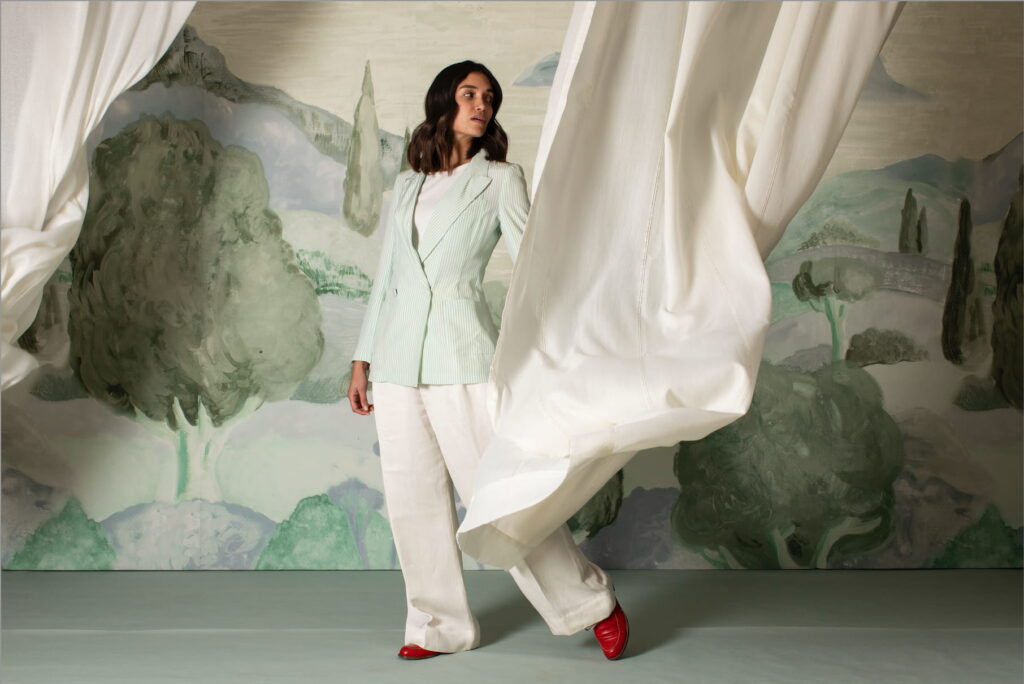
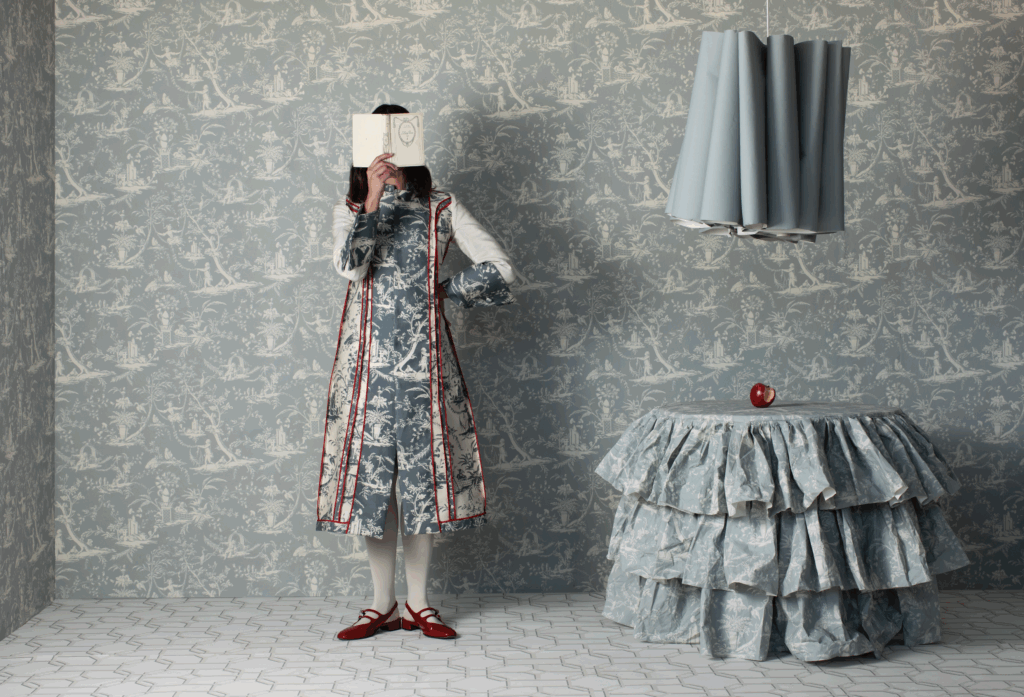
Sogni ⓒ Romina Rezza
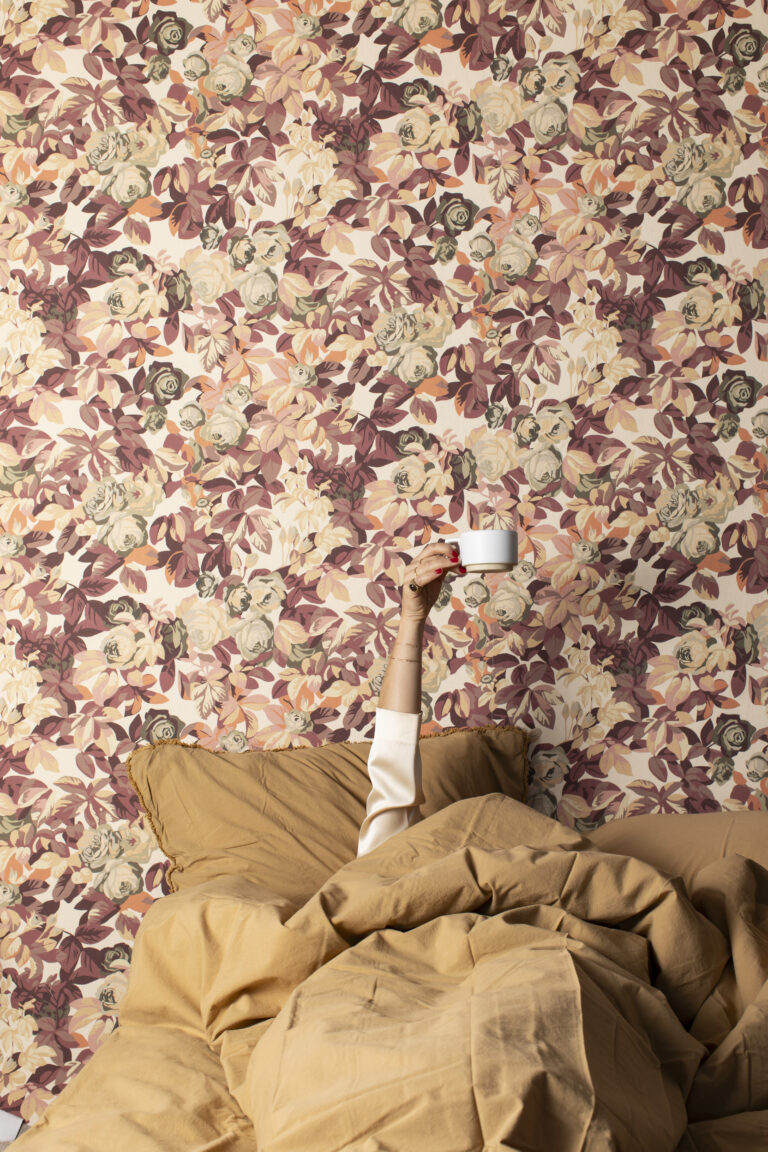
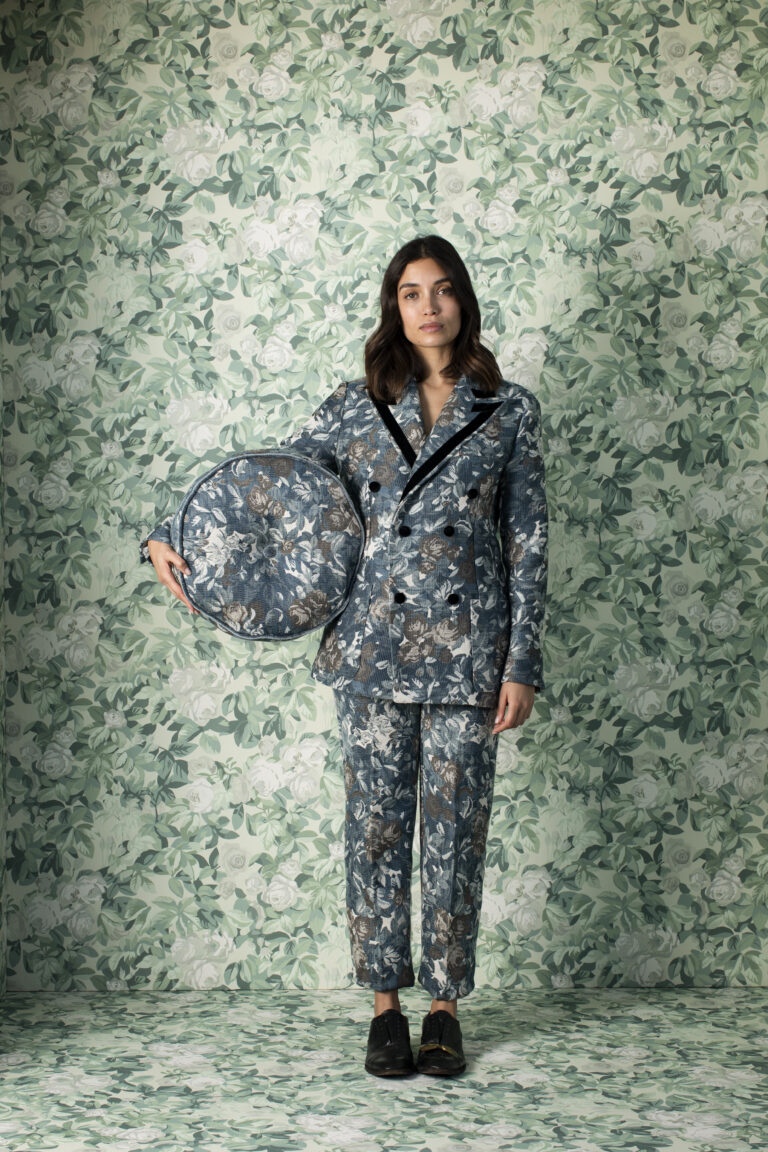
Roseto ⓒ Romina Rezza
Sogni, ⓒ Romina Rezza
Antonella Dellepiane Pescetto: Darija, can you tell us how creative stimuli came to you in your childhood and adolescence?
Darjia Bozdan: Ever since I was a child, I have perceived the world through acute sensitivity. Growing up in a context marked by profound changes led me to take refuge in my imagination. Colours, shapes and small everyday details became a kind of protective language for me. Drawing was a way of bringing order to what I couldn’t yet understand. In my teenage years, when life became more turbulent, creativity became a stable inner haven, a place where I could rebuild my roots and meaning.
A.D.P : You trained in the United States and Croatia… tell us about your educational background.
D. B : My educational journey began in Croatia, where I received my first academic training and where I understood the expressive power of art as a tool for identity. In the United States, during my Master’s degree in Painting and Multimedia, I experienced the other extreme of my artistic character: freedom, interdisciplinary research and the absence of rigid boundaries. It was a period in which I was able to expand my visual vocabulary and develop a more international outlook, opening myself up to influences that I now consider essential to my work.
A.D.P : You are also an artist, you have experimented with video art, installations… can you tell us about this period of your life? Do you still experiment in that sense today? Video art and installations came at a time when.
D.B : Video art and installations arrived at a time when I felt the need to work not only on the surface, but also on time, movement and the presence of the body in space. These were languages that allowed me to explore concepts such as memory, loss and home. Today, my research has evolved, but that experimental approach has not disappeared; it continues to live on in my personal projects, especially in my recent pictorial explorations and research on dollhouses, where the intimate and narrative dimension of installations returns.
A.D.P : How did you get into the world of design and wallpaper/fabrics?
D.B : It happened very naturally. The transition from art to design was a consequence of my desire to make creativity part of everyday life. Wallpaper became a form of emotional architecture for me, a medium capable of transforming spaces into extensions of the inner self. The material, the texture and the rhythmic repetition of the patterns fascinated me to such an extent that they became a stable language, almost a second language.
Giardino d'Estate ⓒ Romina Rezza
Sogni ⓒ Romina Rezza
Labirinto ⓒ Romina Rezza
Elisir d'Amore ⓒ Romina Rezza
Roseto ⓒ Romina Rezza
Dreamscapes ⓒ Romina Rezza
Giardino d'Inverno ⓒ Romina Rezza
A.D.P :When you start a new project, how do you manage your creative flow? D. B : My process always begins with listening, an emotion, a memory, a natural detail, an image glimpsed by chance. Then come the notes in my notebook, intuitive colour palettes, keywords. The next phase is more analytical: organising the material, selecting what has narrative potential and discarding the superfluous. Only at the end do I move on to digital or pictorial processing. It is a flow that oscillates between intuition and construction, instinct and discipline.
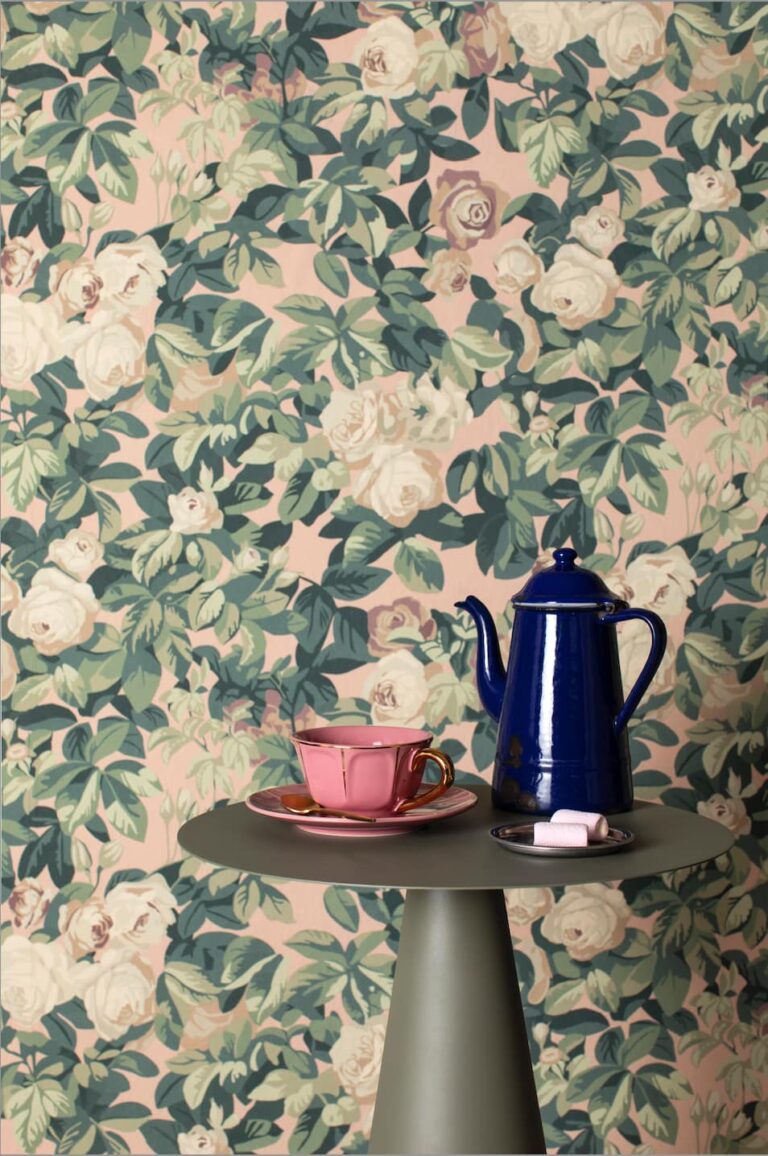
A.D.P : Can you tell us about your latest collection? What aesthetic references guided you and what do you want to communicate? D. B : My latest collection, Amami, stems from a desire to explore the intimate dialogue between nature and emotion, as if each design were an invitation to come closer, to pause, to perceive what often escapes the quick glance. I worked on a delicate, almost whispered botany, where floral details are never simple ornaments, but traces of subtle emotions. The colour palettes oscillate between soft shades and brighter accents, designed to evoke a feeling of tenderness, warmth and presence. Amami is a declaration of care for the spaces we inhabit, for the people we choose to welcome into our lives, and also for that part of ourselves that needs beauty to breathe. With this collection, I want to convey a sense of visual kindness, a poetics of everyday life that invites us to rediscover harmony, intimacy and a deep connection with our surroundings.
Roseto ⓒ Romina Rezza
Roseto ⓒ Romina Rezza
Roseto ⓒ Romina Rezza
A.D.P : How did you get into teaching? What do you like to communicate to your students about your profession? D.B : Teaching came to me as a natural calling. I felt the desire to give back what I had received from my teachers: generosity of vision, trust in creative processes, the importance of personal research. Above all, I try to convey to my students that design is not decoration, but vision; that every pattern tells a story; and that their unique and unrepeatable voice is the true value to be protected and developed.
A.D.P : What types of art do you prefer? Are you passionate about other forms of artistic expression? D.B : I deeply love painting, for its emotional immediacy and its ability to lay bare the gesture. But I am equally attached to photography, arthouse cinema, and literature that delves into the complexity of the human soul. Music accompanies many stages of my work; it is a bridge between the intuitive and the planning aspects.
A.D.P : You are the mother of two girls… how do you introduce them to culture and beauty? D.B : I try to do it naturally, without imposing anything on them. I accompany them to discover places, books, images, but above all I invite them to observe: the light on the walls, a changing colour, a detail that says more than the whole. I believe that sensitivity is nourished by small daily attentions. For me, it is important that they grow up feeling that beauty is not a luxury, but a way of inhabiting the world.
Our founder sat down with Elisa Seitzinger for an exclusive conversation about tarot, creative and personal time, the Major Arcana, black cats, birth charts, and much more.
In Victorian England, strawberry parties transformed a fleeting fruit into a refined ritual of summer, where the season revealed itself through quiet enchantment and entered literature, painting and social memory.
A Victorian chamber of vision, where painting and poetry meet at the threshold of the invisible, and beauty becomes a language of longing. The visible world begins to glow like a spell whispered between art and the soul.
An insightful and entertaining conversation with the talented Private Chef from the worlds of art and luxury.
By Antonella Dellepiane Pescetto
Are you a sensitive and curious traveler, constantly searching for beauty, art and cultural inspiration? Sign up to receive the latest contemporary news!