A SHAPE BESTOWED UPON LOVE

Words by Anna Maria Giano

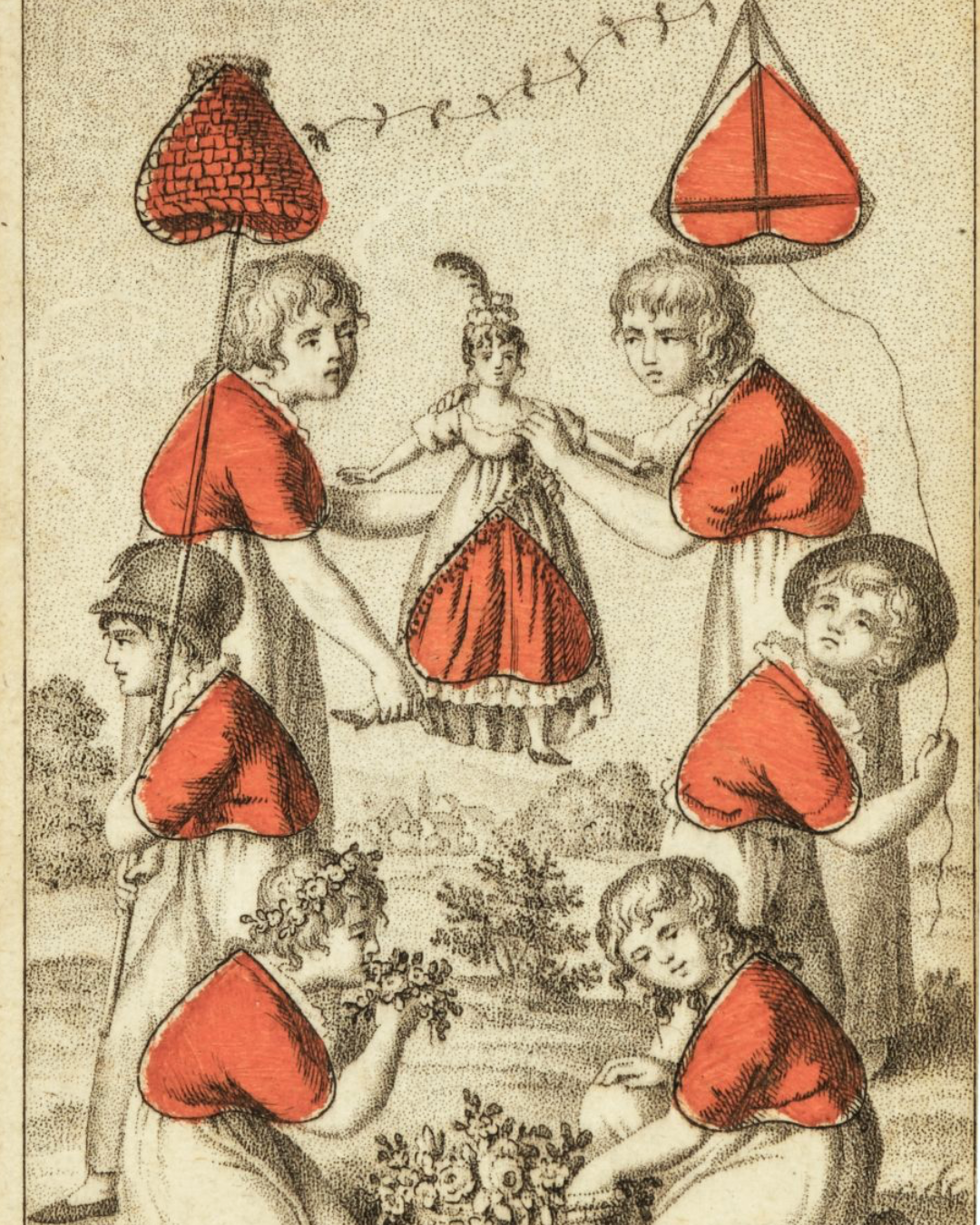
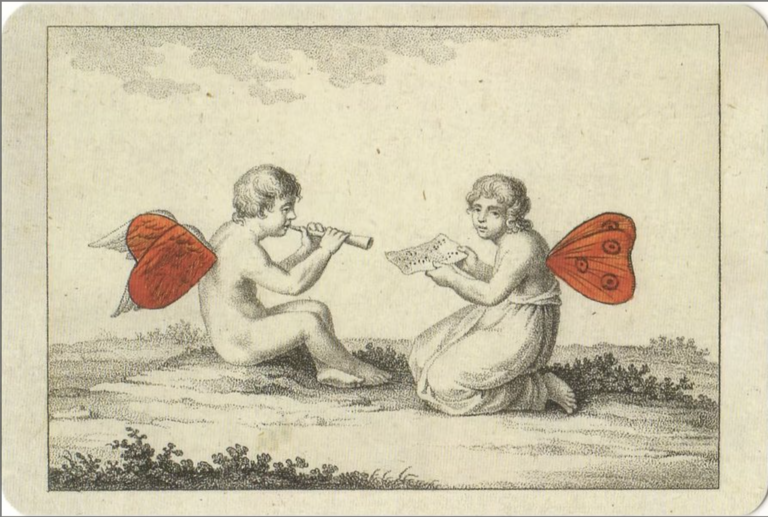
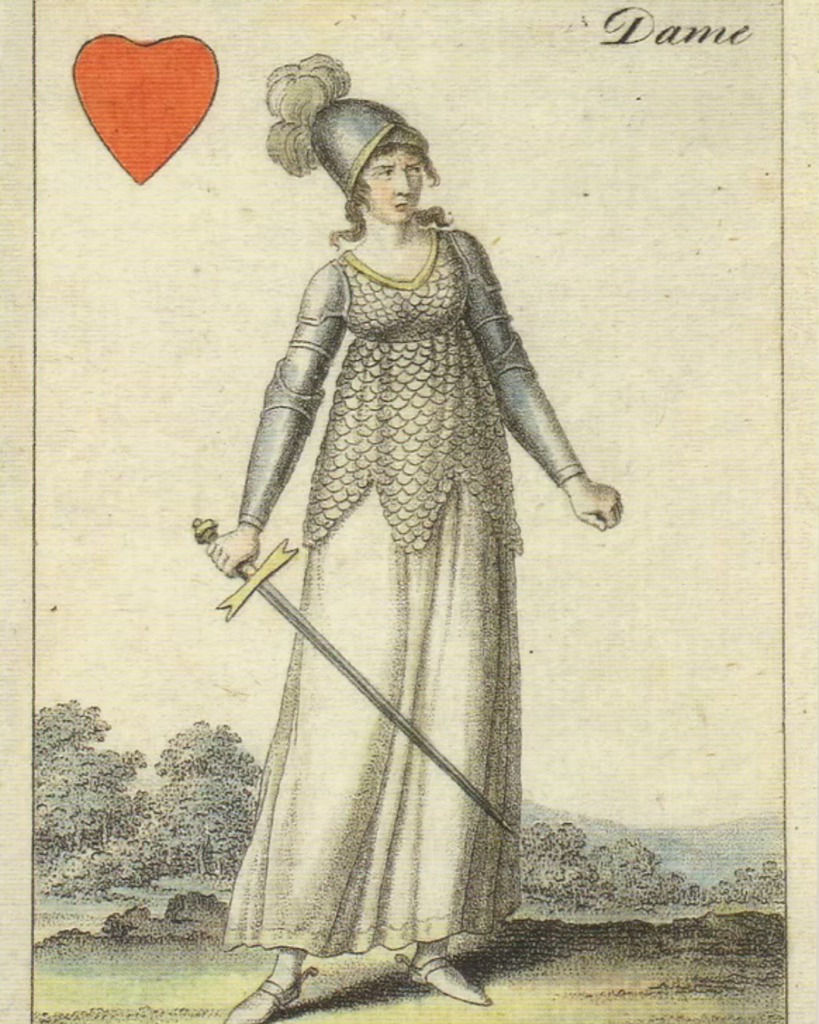
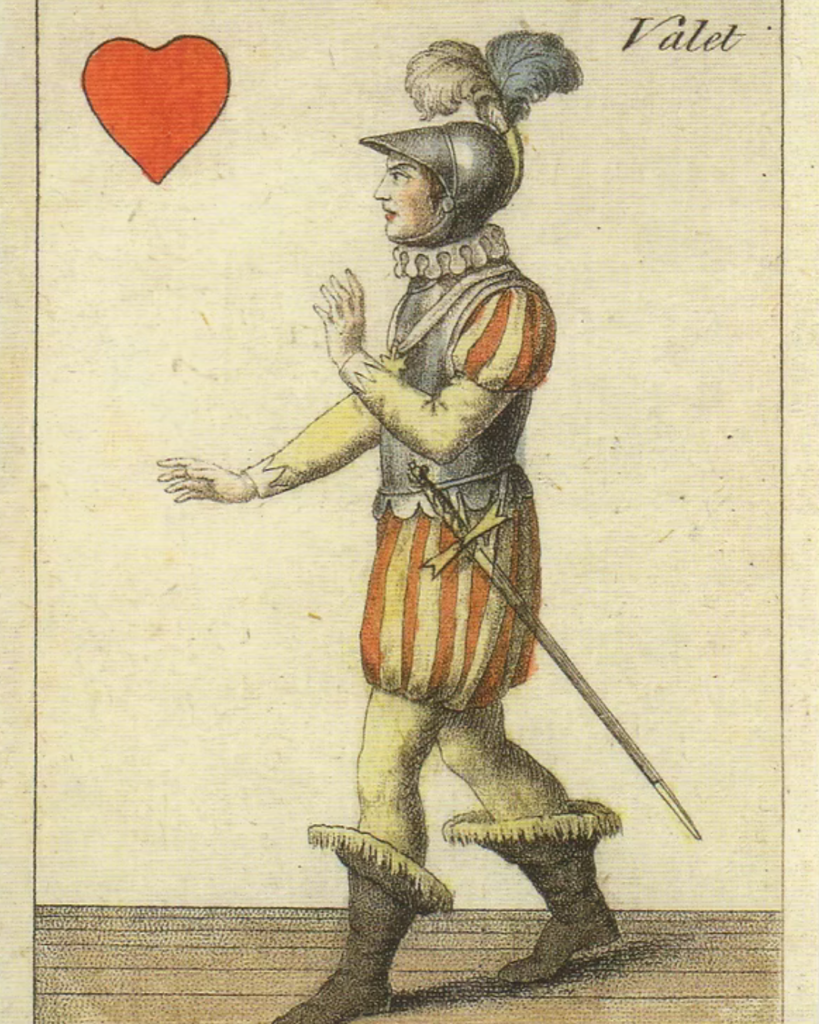
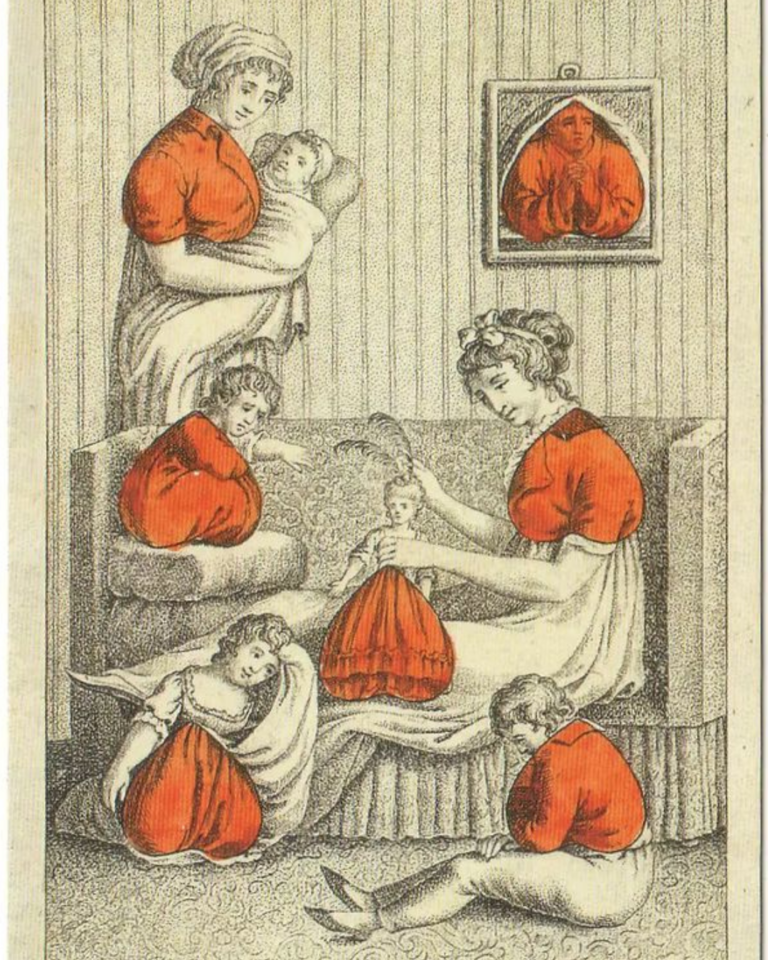
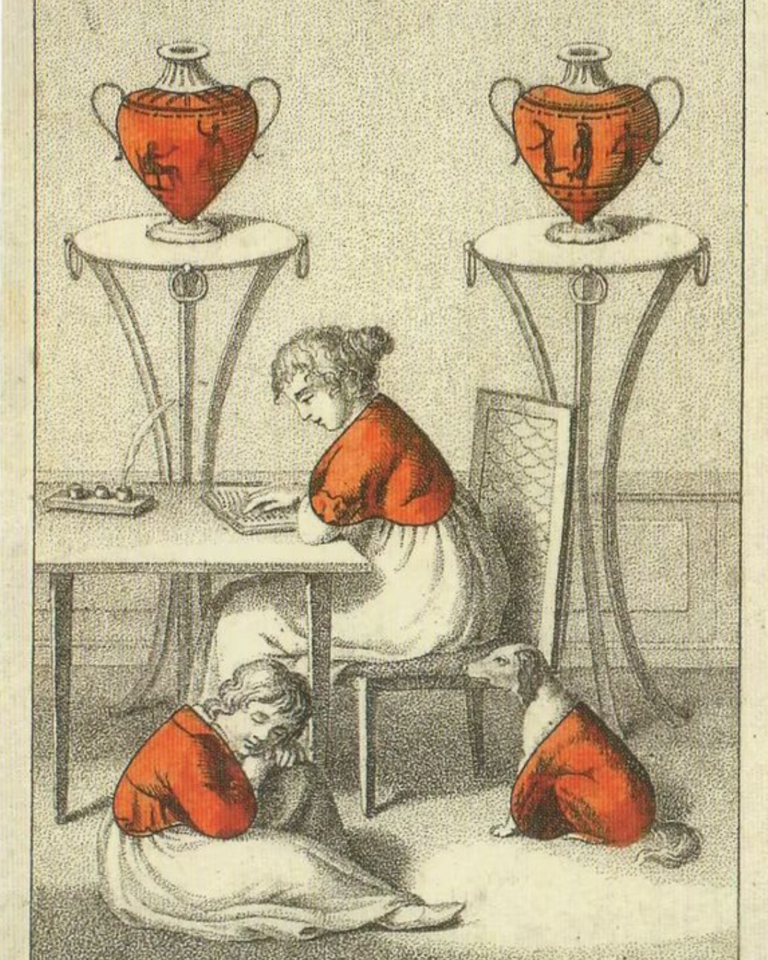
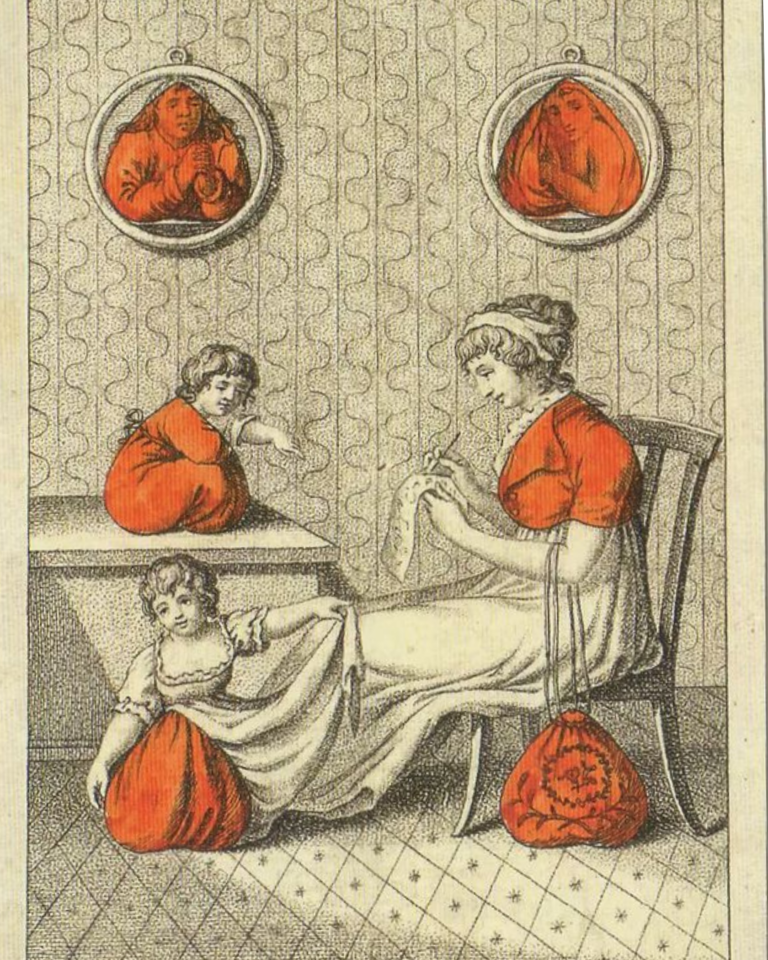
Long before the heart assumed the clarity of a universal sign, it took shape in a quieter register, along the margins of illuminated pages, where images were entrusted with the task of holding what language could not yet define. Its origin belongs to a figurative necessity inscribed within medieval symbolic culture, where abstract ideas sought form through images capable of bearing meaning.

One of the earliest iconographic appearances associated with the form of the heart is found in Le Roman de la Poire, a courtly poem of the thirteenth century attributed to Thibaut de Blazon. In a miniature preserved within the manuscript tradition of the work, the lover extends to the lady an inverted pear, rendered with deliberate restraint. The fruit is defined by a pointed base and a full, rounded upper section, stripped of naturalistic detail, and already charged with symbolic intention.

Within the economy of courtly love, the heart is understood as the inner place where intention takes shape and devotion is sustained. Its visual articulation draws upon familiar forms chosen for their capacity to bear meaning. In medieval culture, the pear is associated with sweetness and with the act of offering itself; once transposed into image, it provides a visible support through which a concept not yet fixed in form can be conveyed.

Between the thirteenth and fourteenth centuries, this figure undergoes a gradual process of abstraction. In later manuscripts, the reference to the fruit recedes, the stem disappears, contours become more regular, and symmetry asserts itself. The form relinquishes its natural origin and establishes itself as a conventional sign, marking the moment in which the heart begins to exist as an autonomous image within visual culture.

This evolution corresponds to the conditions of medieval visual transmission. A sign intended for miniature painting, marginal ornament, and symbolic circulation requires clarity of outline and ease of repetition. The heart thus acquires a stable configuration, suited to its passage across manuscripts, heraldic devices, amorous emblems, and, in time, devotional imagery.

When, in the Renaissance and early modern period, anatomical knowledge of the human heart expands through medical inquiry, the symbolic image has already reached completion. The figurative heart continues its course as a conceptual form, anchored in the language through which affection is imagined and represented.

Every heart traced in the present age descends from this long iconographic meditation, carrying within its outline the memory of a medieval gesture and the persistence of a form devised to give love a visible dwelling, preserving an idea long before it ever named a feeling.

Further Reading

Are you a sensitive and curious traveler, constantly searching for beauty, art and cultural inspiration? Sign up to receive the latest contemporary news!