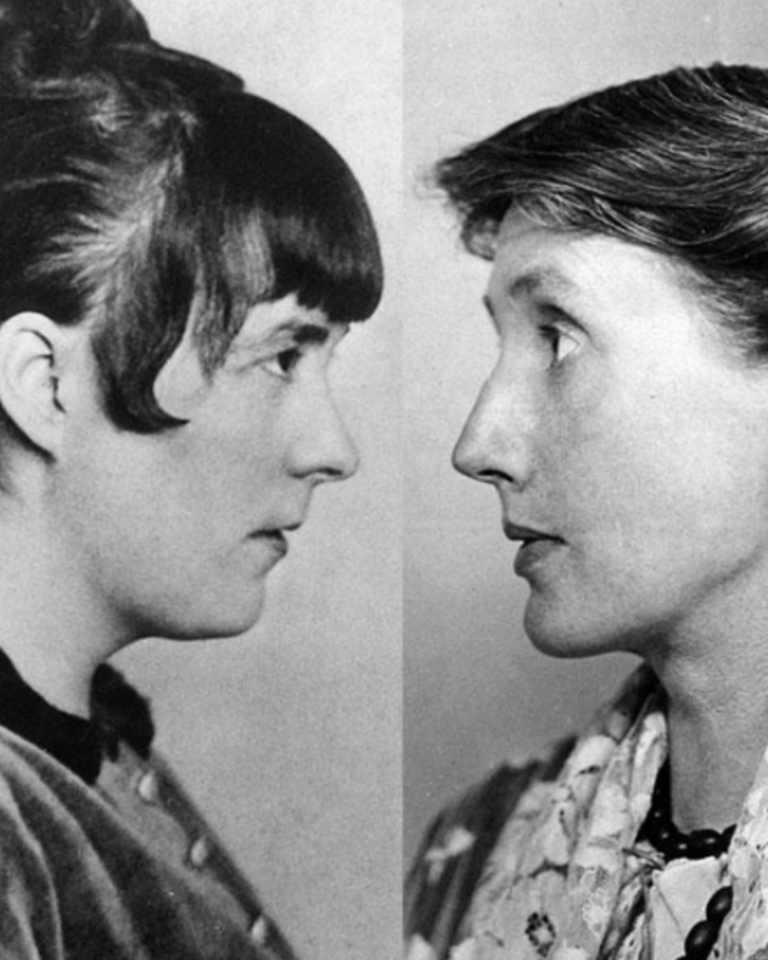
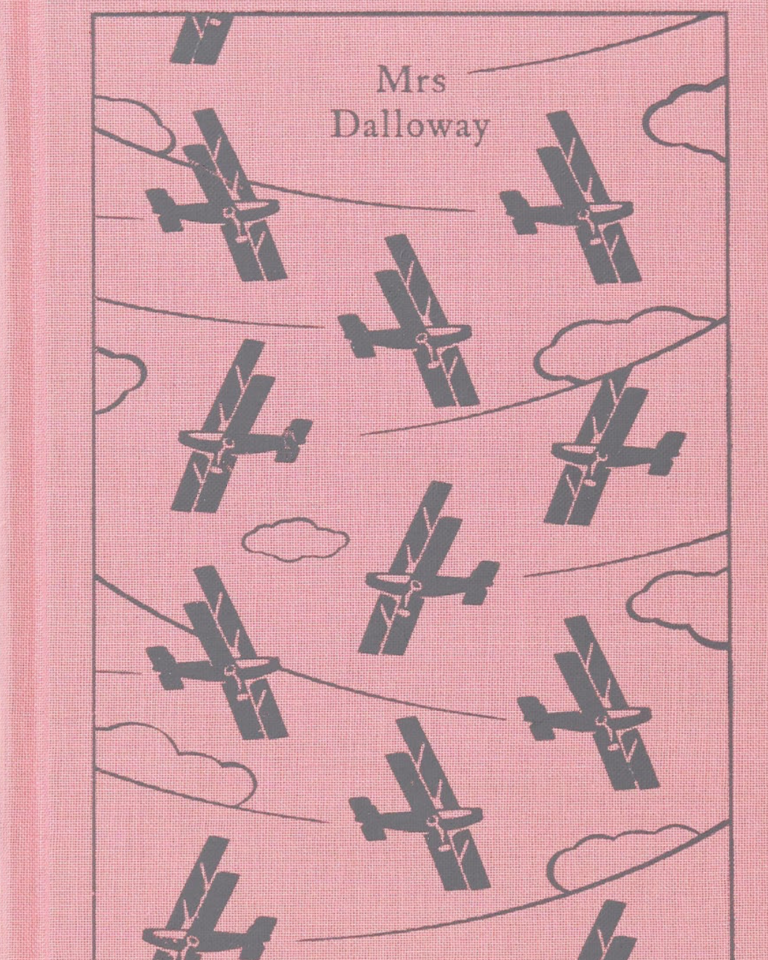
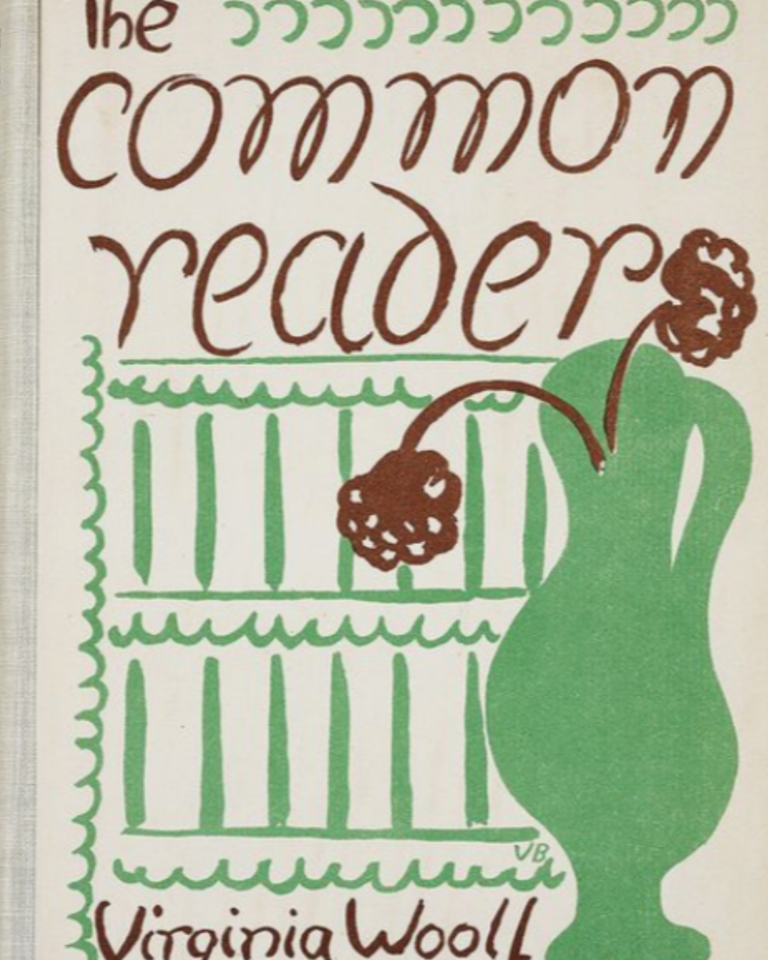
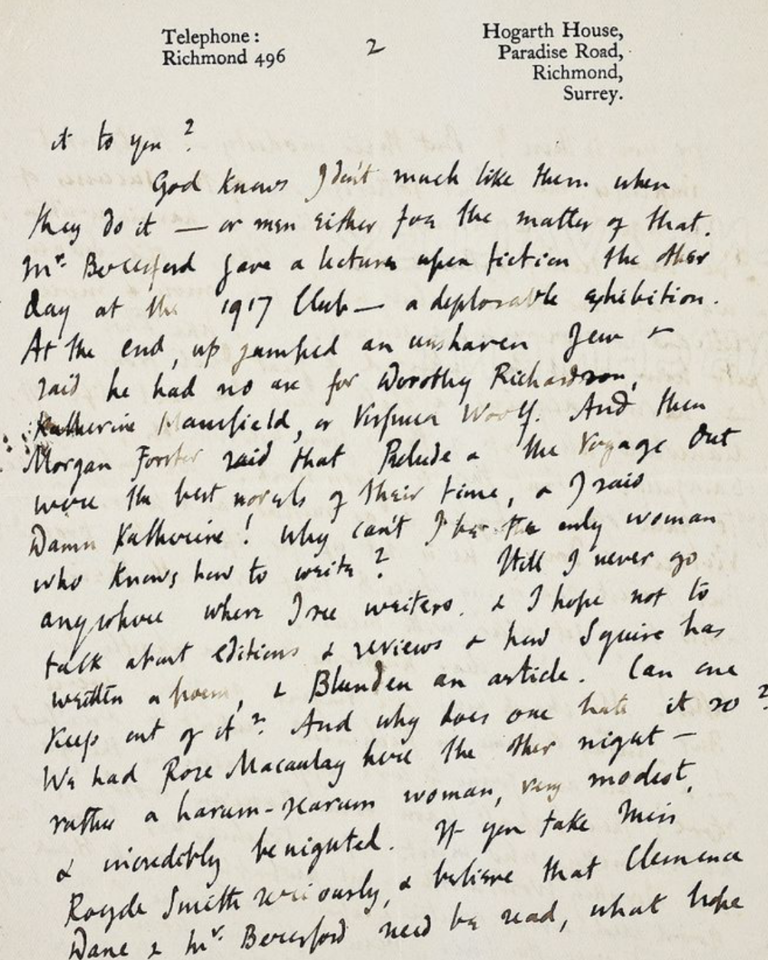
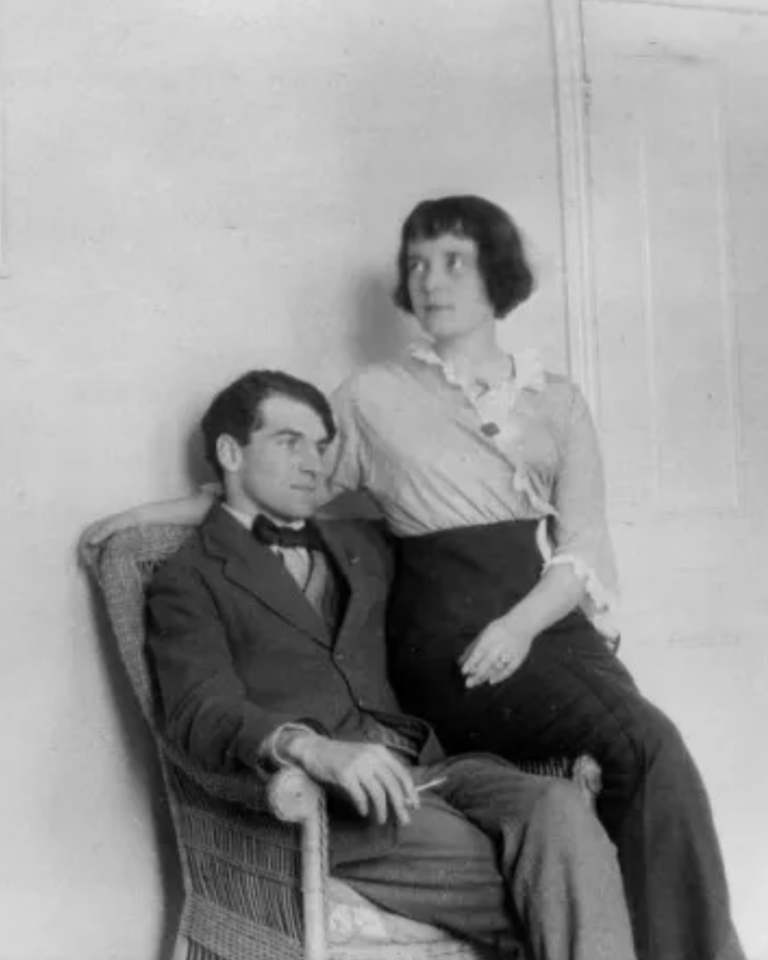
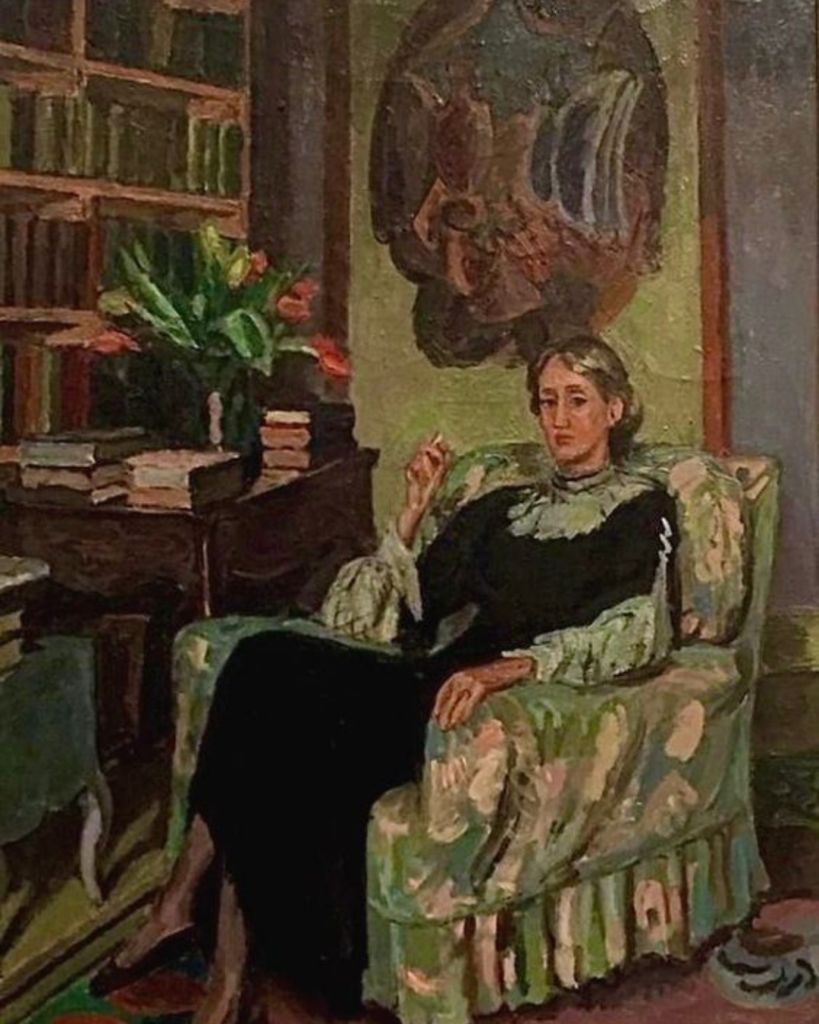
In that quickened London where prose was being remade almost in mid sentence friendship could not remain a mild domestic grace. It became a test of mind and a discipline of taste. Between Virginia Woolf and Katherine Mansfield there formed one of those rare literary attachments that live chiefly by attention and by the grave delight of finding an equal reader. Their acquaintance carried the slight chill of rivalry yet its deeper current was esteem and the kind of admiration that improves the work by refusing to soothe it.
They approached the same quarry from different ground. Woolf with her long English inheritance and her impatience with its upholstery. Mansfield with her outsider’s clarity and her instinct for the small social gesture that betrays a whole private weather. What joined them was not comfort but craft. Mansfield wrote after one of their meetings “We are both after so very nearly the same thing.” The phrase is modest only at first glance. It names pursuit and it implies hunger. It assumes that writing is not a performance for society but an art with stakes and that the stake is truth of perception.
Woolf heard in Mansfield a mind that returned her own thoughts to her altered and sharpened. She noted “the queerest sense of echo coming back to me from her mind the second after I’ve spoken.” Echo is an intimate word and not a sentimental one. It suggests similarity without surrender. It suggests that conversation itself became a form of workshop. Mansfield in her turn marked the peculiar freedom Woolf afforded her. “To no one else can I talk in the same disembodied way about writing.” Disembodied is exact. It implies a room in which vanity is suspended and the self may speak as pure instrument.
Esteem in such a relation does not exclude the harsher emotions. It recruits them. Woolf’s most famous admission was made after Mansfield had died and it remains one of the cleanest tributes a writer ever paid another. “I was jealous of her writing the only writing I have ever been jealous of.” Jealousy here is admiration that has refused to disguise itself. It is the acknowledgment that talent has been encountered in its true force and that it has shifted the scale by which one measures one’s own work.


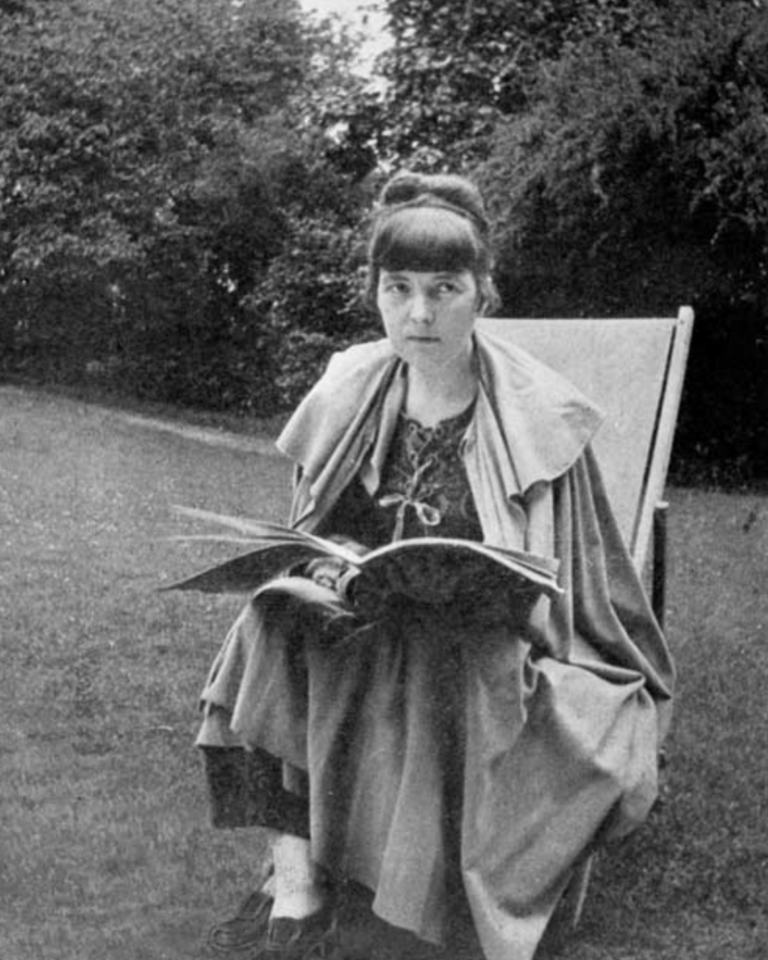
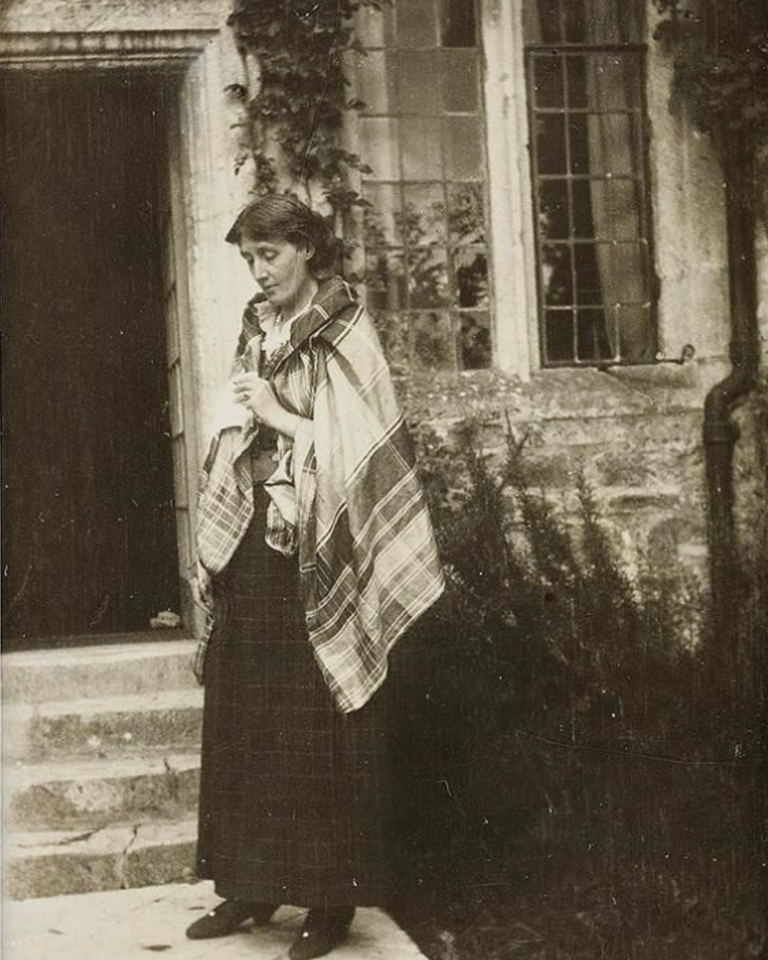
More poignant still is the quieter line that follows in Woolf’s remembrance when the act of writing itself seems briefly to lose its anchorage because the imagined reader has gone. “When I began to write it seemed to me there was no point in writing. Katherine won’t read it.” It is one of the most intimate sentences in modern literary friendship. It does not mourn a companion for afternoons. It mourns a witness. It admits that a mind can become a necessary horizon and that the loss of that horizon alters the weather of ambition.
Their admiration was not merely spoken. It took form in paper and ink. The Hogarth Press run by Virginia and Leonard Woolf published Mansfield’s Prelude in July 1918 with the date 11 July often given for publication. To publish a peer is praise with consequences. It is a public wager that this work deserves a future. It is also a subtle declaration of kinship for the small press is an intimate machine and it binds its makers to the text it carries.
What survives of Woolf and Mansfield is therefore not a pretty legend of mutual consolation. It is a sharper and more useful story. Two women who could be difficult who could be proud who could be exacting found in one another the rare satisfaction of serious talk and serious reading. They did not offer each other ease. They offered each other a standard. Their friendship shows how admiration when it is intelligent and unafraid becomes a creative instrument. It refines the ear. It increases the cost of vagueness. It teaches the sentence to be braver than its author intended.