@ChateaudeVersailles

THE PERFUMER’S GARDEN OF VERSAILLES

Words by Anna Maria Giano

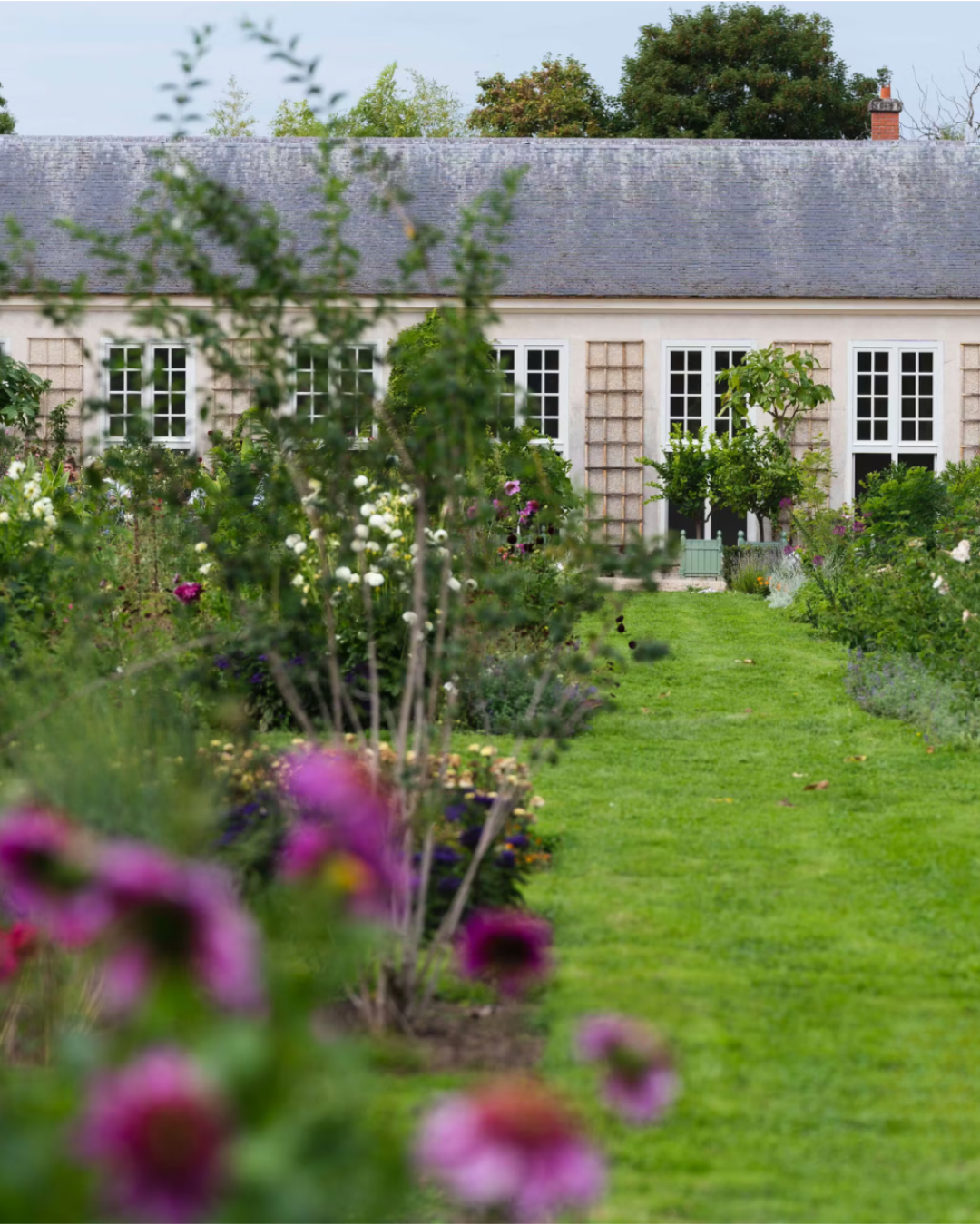
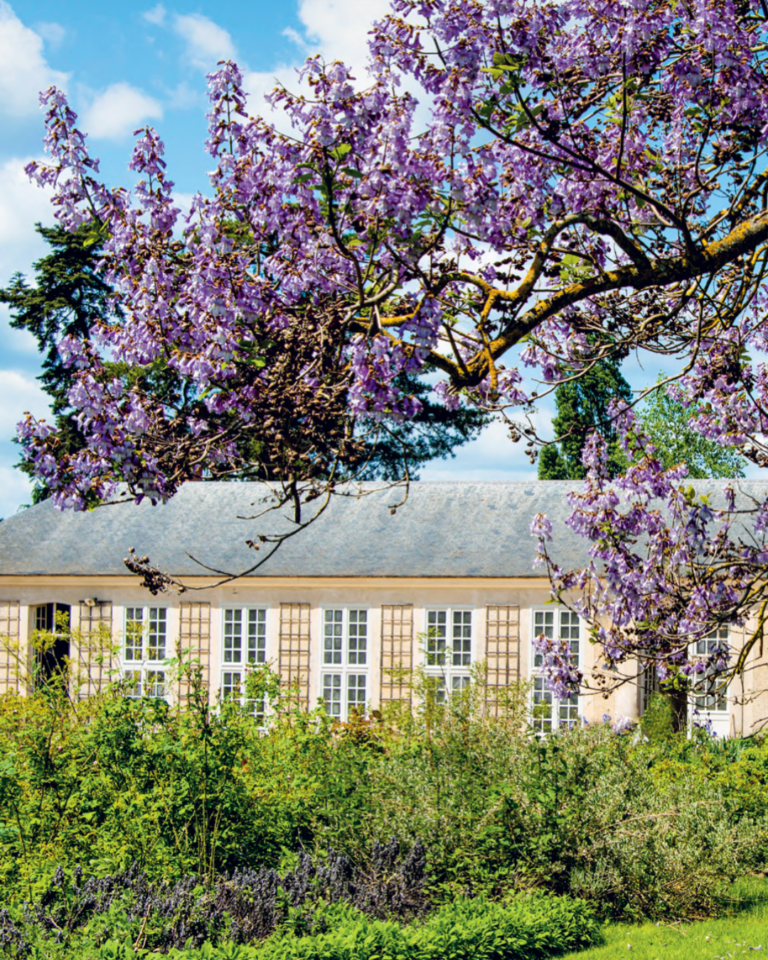
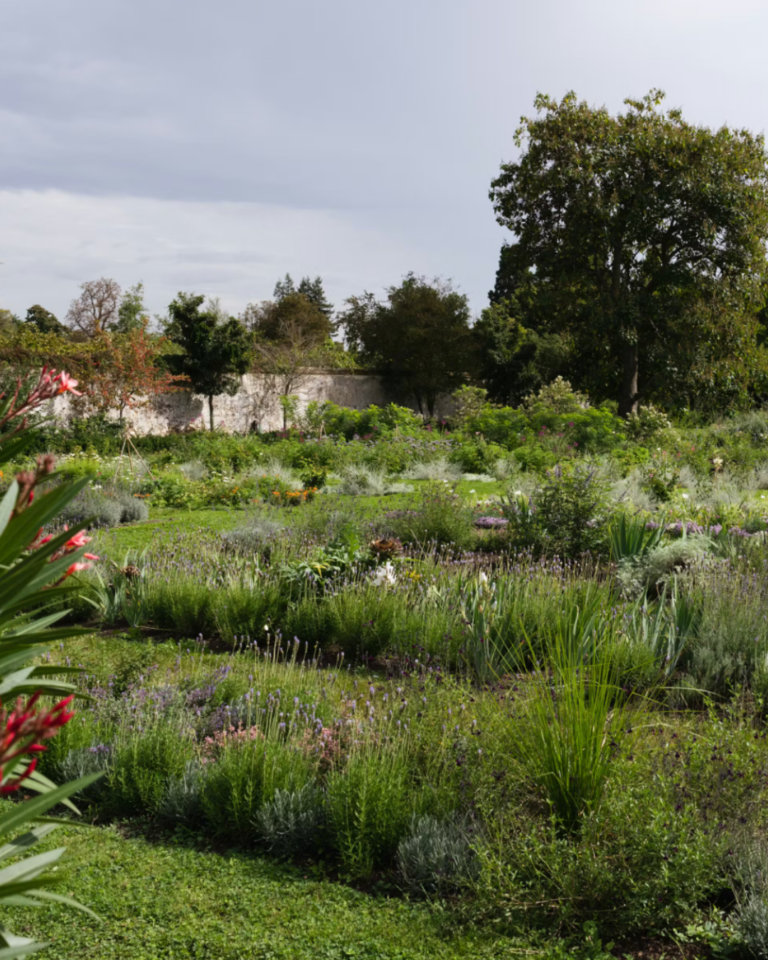
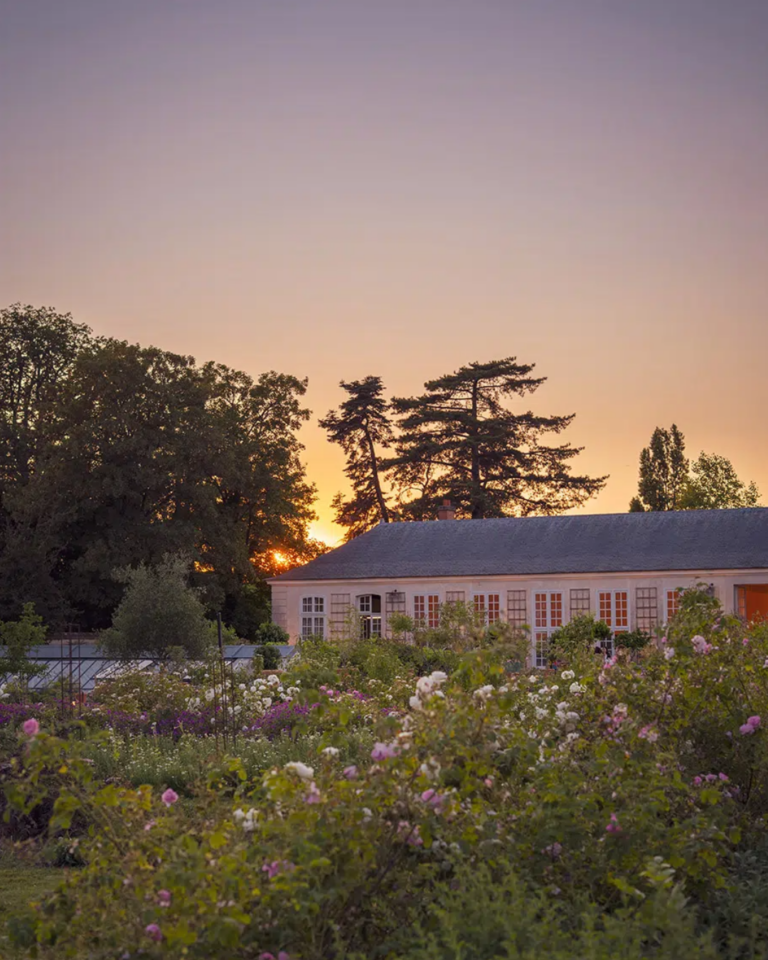
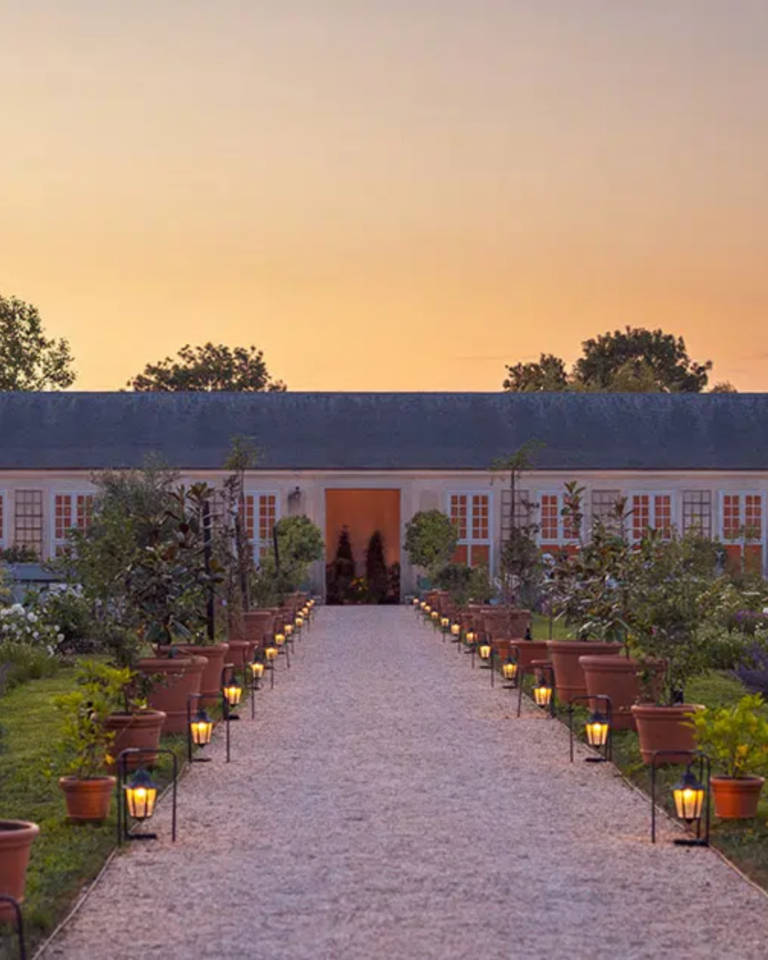
Within the storied domains of Versailles, where landscape has long expressed the metaphysics of power through proportion and botanical theatre, a singular enclave now invites the visitor into a more intimate dimension of splendour. The Jardin du Parfumeur arises near the Orangery of Châteauneuf in the Trianon estate as a horticultural contemplation of fragrance itself, a space where vegetal life becomes an allegory for the unseen edifice of perfume. 

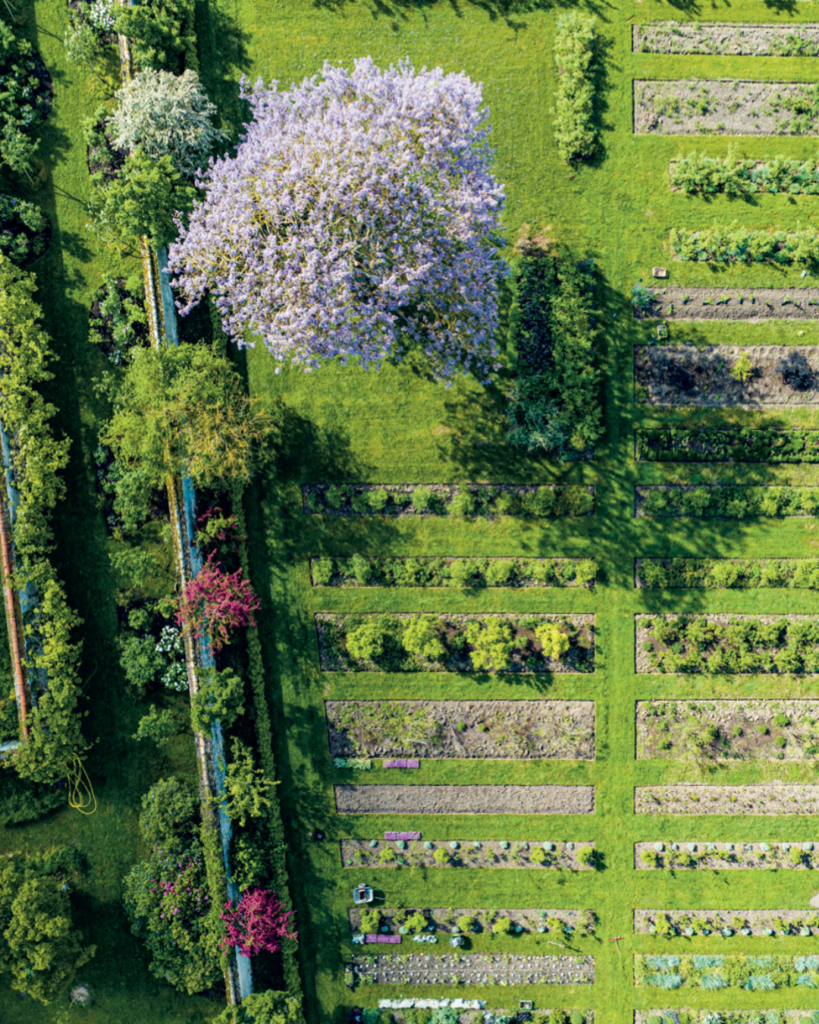
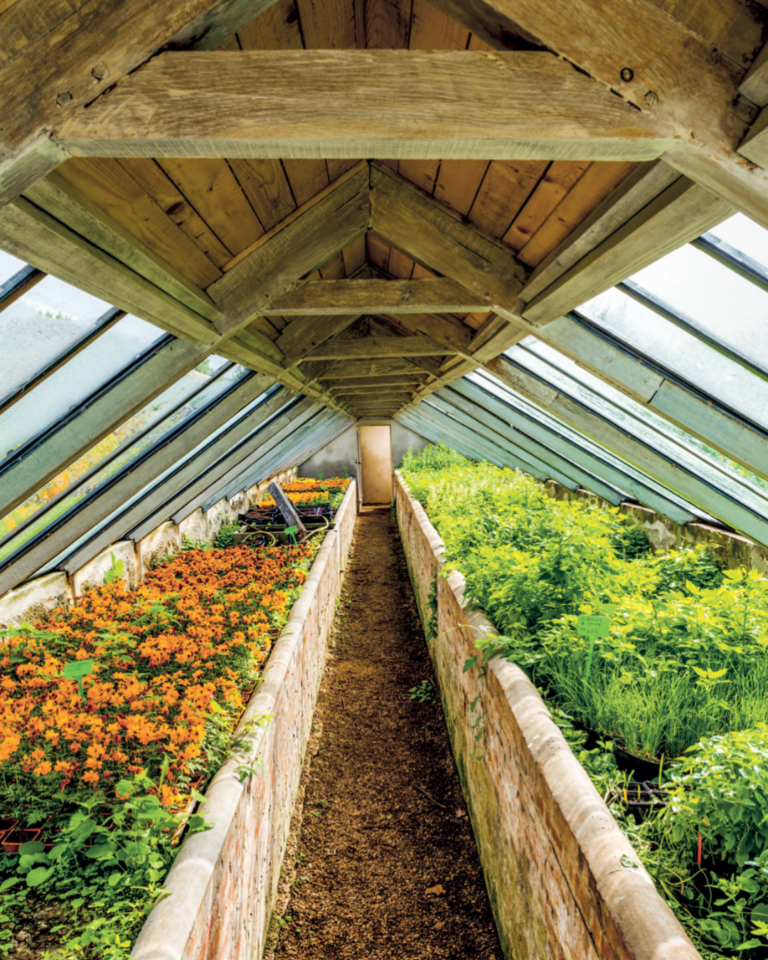
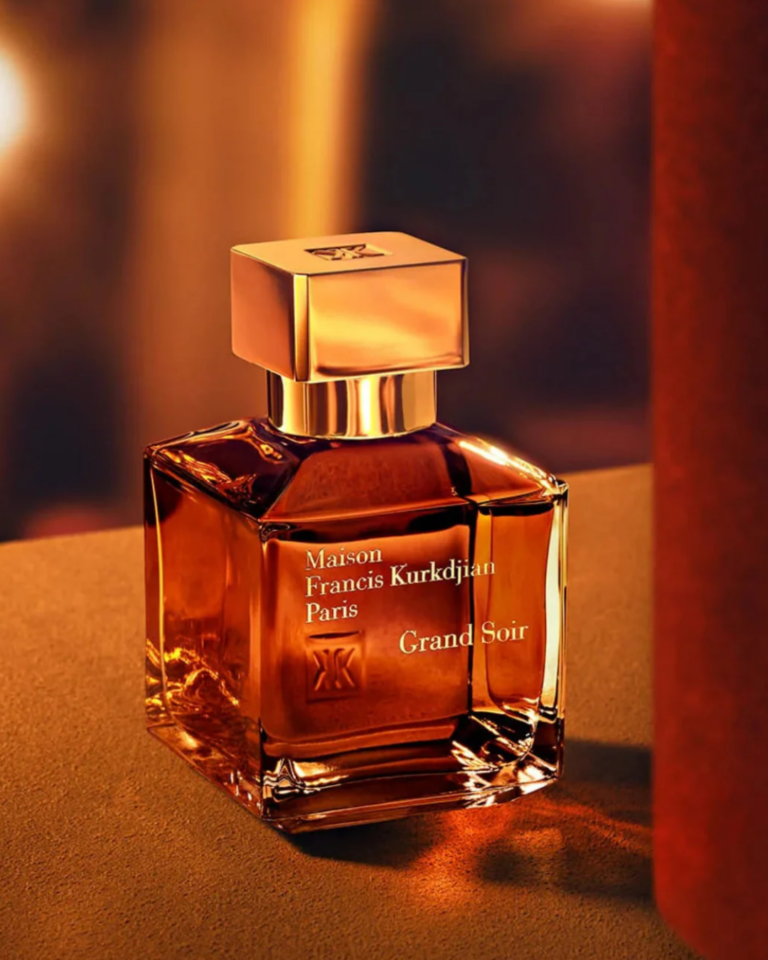
This garden took form through the collaboration between the gardeners of Versailles and the Maison Francis Kurkdjian, whose founder envisioned a place where the origins of perfumery could unfold through living matter. Hundreds of aromatic species flourish across its carefully composed precincts, offering the visitor a rare encounter with the botanical lexicon that nourishes the imagination of the perfumer.

@ChateaudeVersailles

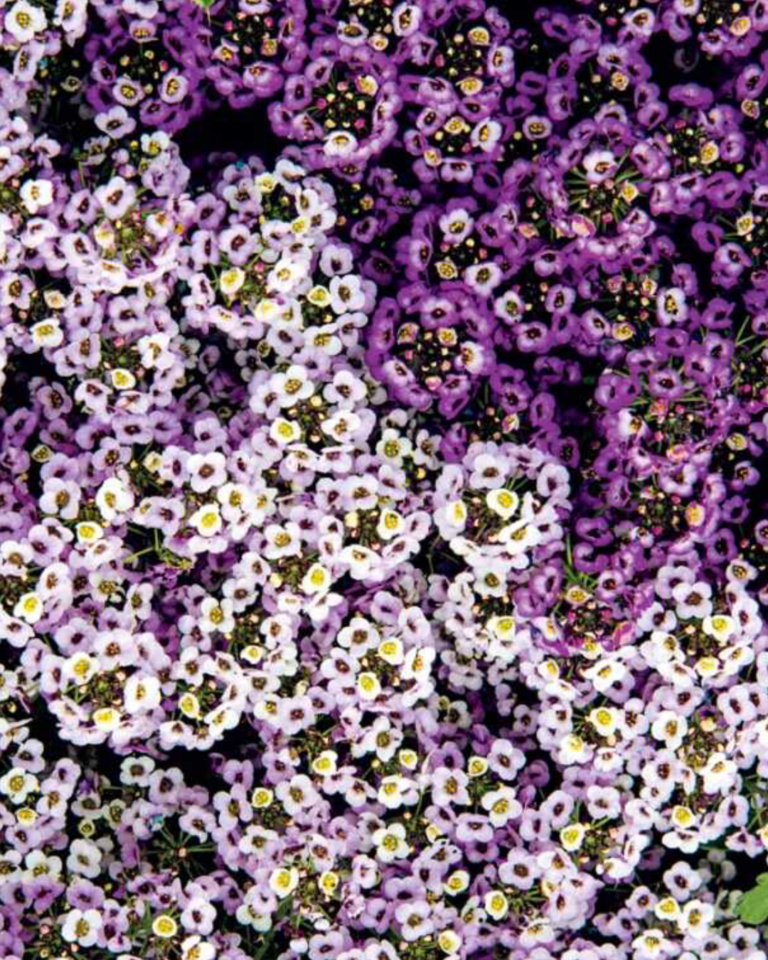
Here fragrance drifts through the air with the delicacy of a whispered language. Roses exhale a pale and velvety breath that lingers like a memory within sunlight, while jasmine releases its nocturnal sweetness in quiet spirals of aroma that seem to rise from the soil itself. Beneath this floral murmur the leaves of herbs awaken subtler tonalities, faint green murmurs that weave through the atmosphere with almost musical discretion. The garden becomes a suspended conversation of scents, an unseen calligraphy traced slowly through air and light.

Versailles itself possesses a profound historical affinity with the art of perfume. The court of Louis XIV, the Sun King, cherished fragrance with ceremonial devotion, transforming scent into an extension of political theatre and aristocratic identity. Perfumed gloves, scented fountains, aromatic powders, and fragrant gardens accompanied the choreography of daily life at court. Through these rituals the monarch established an aesthetic cosmos in which perfume circulated as a sign of refinement and cultural authority, shaping the sensorial aura of the palace with the same deliberation that governed its grand designs and gardens.

This sensorial heritage flourished throughout the eighteenth century among the women whose presence animated the salons of Versailles. Madame de Pompadour surrounded herself with rare essences and precious pomanders, allowing fragrance to accompany the intellectual elegance of her courtly gatherings.

Within the refined circles of the Duchesse de Polignac perfume travelled through chambers and boudoirs with the grace of an unspoken ornament, mingling with silk, powdered hair, and candlelit evenings. Marie Antoinette herself embraced fragrance as a private atmosphere, entrusting her olfactory presence to the perfumer Claude François Prévost. Francis Kurkdjian later revived the historical formula associated with the queen through the fragrance Sillage de la Reine, allowing a subtle breath of eighteenth century sensibility to return once more to the world of perfume.

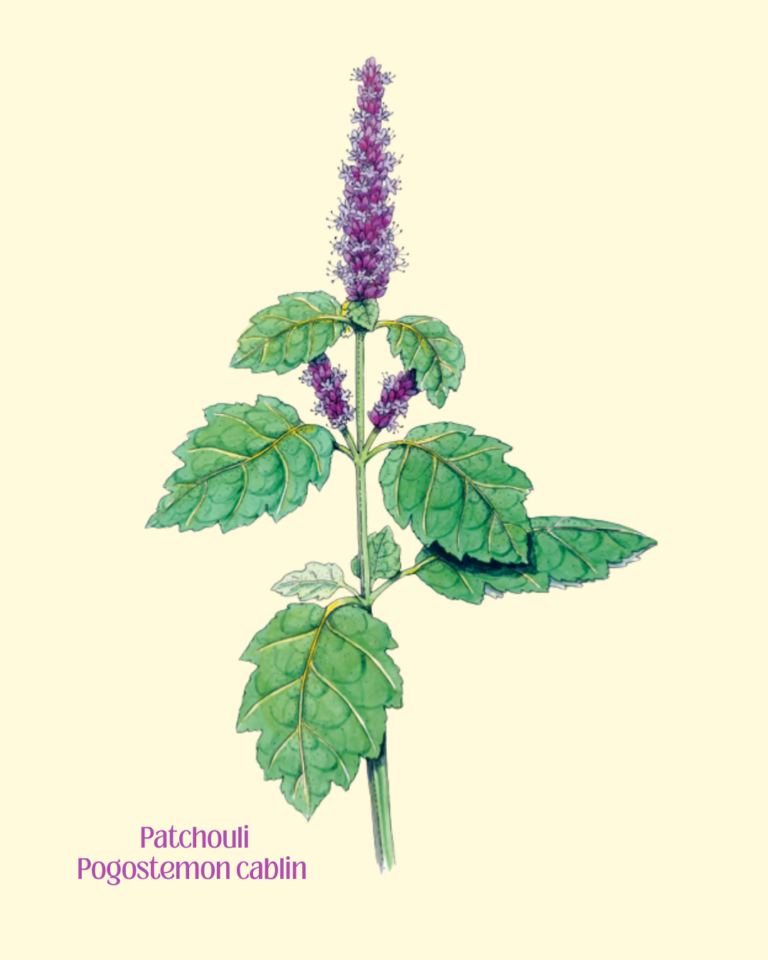
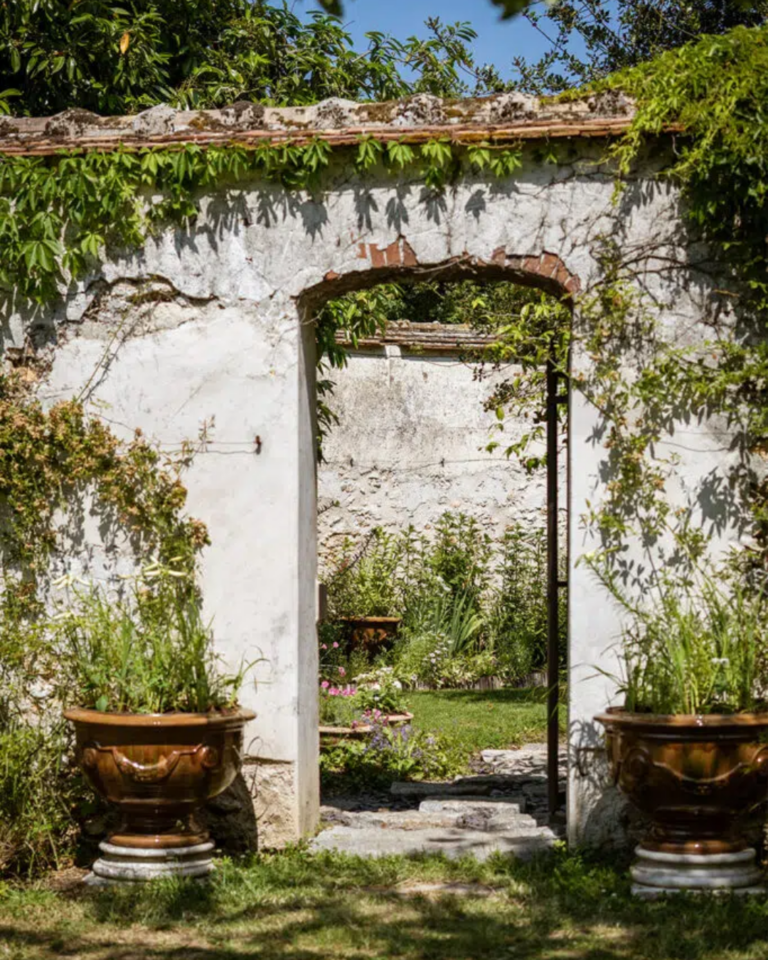
Within this historical continuum the Jardin du Parfumeur offers a renewed interpretation of perfume’s botanical origins. The garden unfolds through several areas that guide the visitor through a poetic topography of scent. The Garden of Curiosities gathers plants that contribute to the perfumer’s palette, each species presenting a particular nuance of aroma that later finds transformation within the alchemy of composition. Nearby, a pathway of blossoming trees extends an atmosphere of contemplative serenity, while the Secret Garden offers a more secluded retreat where fragrance expresses itself through quiet intimacy.

For Francis Kurkdjian the creation of this garden represents a philosophical gesture as much as a horticultural undertaking. His career has long explored perfume as a form of artistic language capable of shaping space and perception. Born in Paris and trained at the Institut Supérieur International du Parfum, he developed a creative vision in which fragrance assumes the character of an unseen structure composed through memory, sensation, and imagination. The founding of Maison Francis Kurkdjian in 2009 established a house devoted to this vision, where each perfume unfolds as a narrative distilled into aroma.


@ParfumExquis

The presence of the Jardin du Parfumeur within Versailles resonates with the cultural history of the palace itself. For centuries this landscape has served as a stage upon which the French aristocracy articulated its ideals of elegance, beauty, and refinement. Through gardens, fountains, and salons the court shaped a civilisation that regarded aesthetic experience as an essential dimension of life.

Within this context the garden reveals perfume as a philosophy written in petals and sap. Flowers, leaves, and roots become living metaphors for the transformation that occurs when botanical matter enters the imaginative sphere of the perfumer. A rose growing within the soil of Versailles contains within its petals the promise of innumerable olfactory interpretations, each composition translating vegetal presence into a more abstract language of sensation.

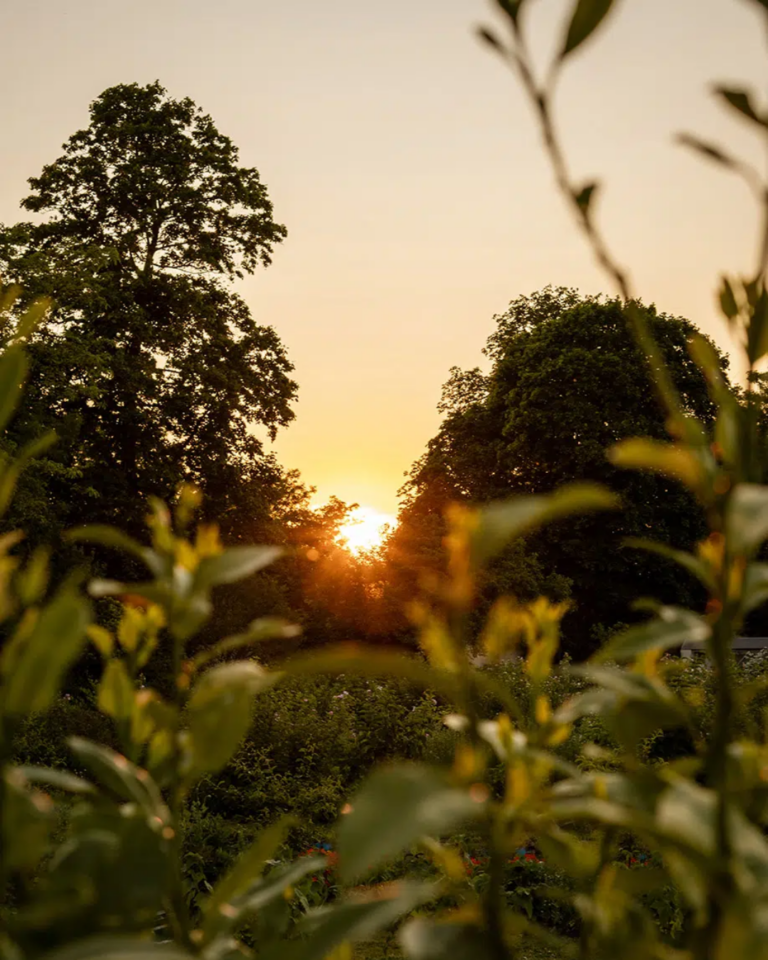
Along the paths of this garden the senses awaken with quiet intensity. The air carries delicate veils of aroma that drift between branches and gravel paths, rising from the earth in slow and graceful exhalations. Sunlight touches petals that seem almost translucent, while faint fragrances gather and dissolve like murmurs within the breeze. Each step reveals another nuance of scent, another fleeting inflection of sweetness or green clarity. The garden breathes softly around the visitor, offering an experience in which fragrance appears less as a substance than as a presence that moves gently through light and atmosphere.

The Jardin du Parfumeur therefore reveals itself as far more than a collection of plants. It stands as a luminous homage to the long and refined alliance between Versailles and the art of perfume. Within these quiet precincts the ancient dialogue between flowers and imagination resumes its course with renewed grace, until the air itself seems to remember the scented splendour of the French court and carries it forward like a lingering echo: “This, Madame, it’s Versailles!”.

Further Reading

Are you a sensitive and curious traveler, constantly searching for beauty, art and cultural inspiration? Sign up to receive the latest contemporary news!