@ErediZucca

THE BARBER’S LEGACY: A MILANESE TALE OF SCENT

Words by Anna Maria Giano

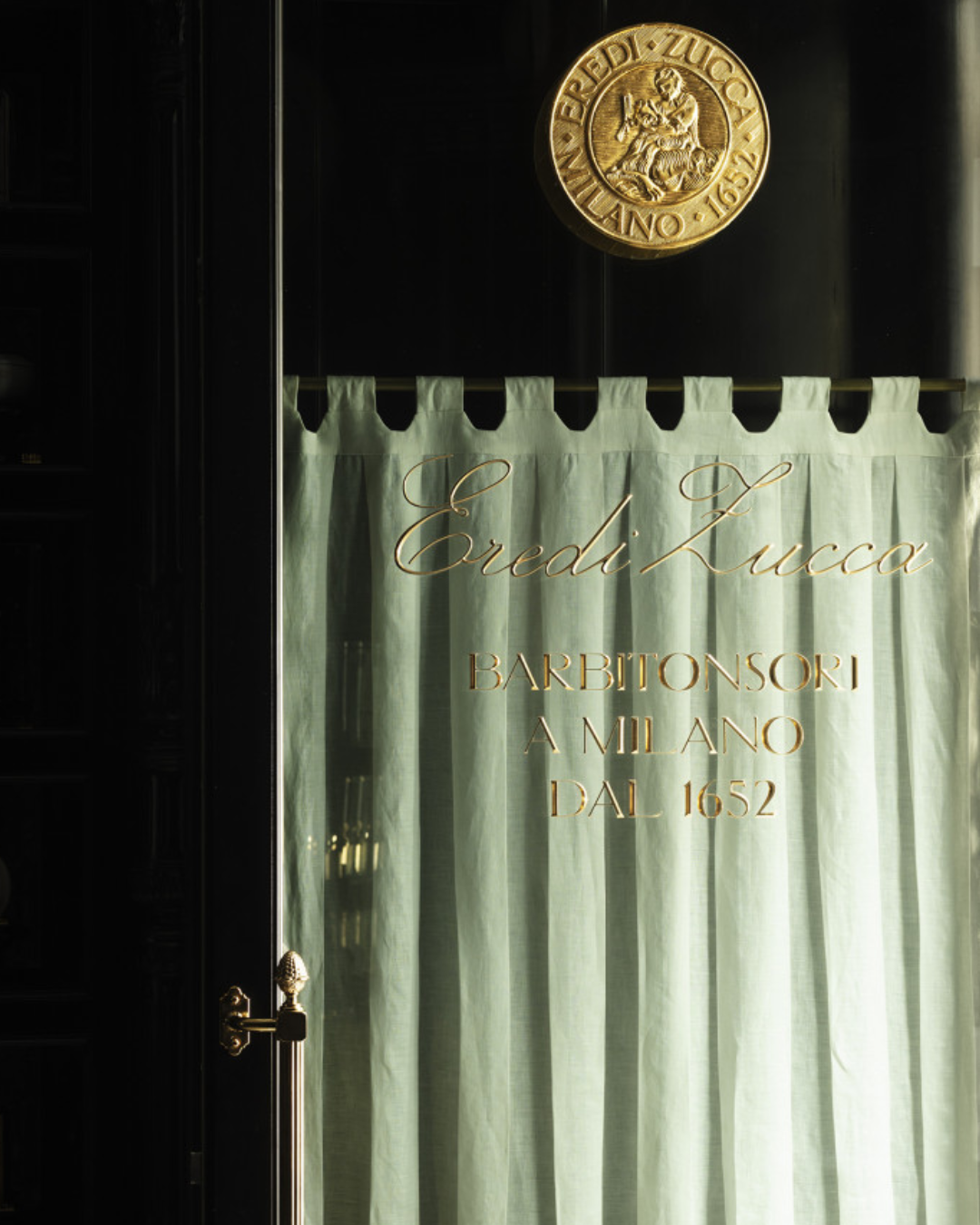
The name Eredi Zucca carries within it a long Milanese lineage whose origins reach back to the year 1652, when the Zucca family established a barber’s atelier that soon acquired a reputation among the city’s cultivated circles. Within those rooms the art of grooming unfolded with an elegance that belonged as much to social ritual as to craft. The barber guided each gesture with patient mastery, and the quiet intimacy of the atelier became part of Milan’s refined urban life.

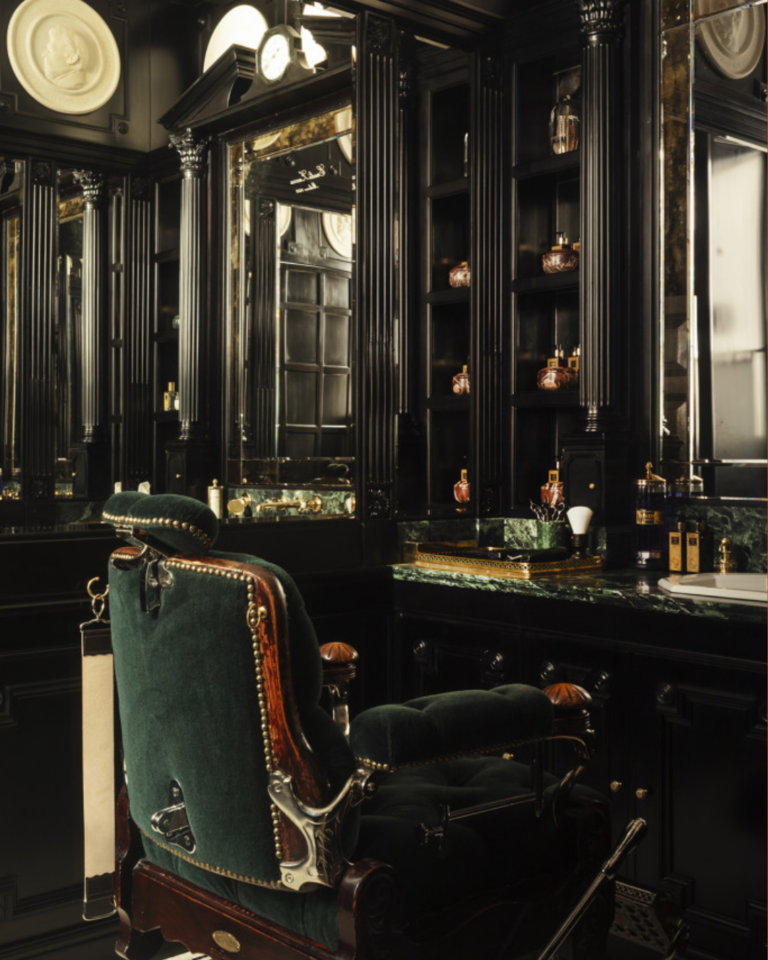
Time allowed this vocation to deepen across generations. The Zucca family transmitted its knowledge through the continuity of daily practice, preserving the dignity of the barber’s art while gently adapting its forms to the sensibility of each era. The arrival of elegant French barber chairs during the seventeenth century introduced a new comfort to the salon, while later heirs welcomed the discreet innovations of modern instruments. Through these transformations the atelier retained its essential spirit as a place devoted to cultivated care.

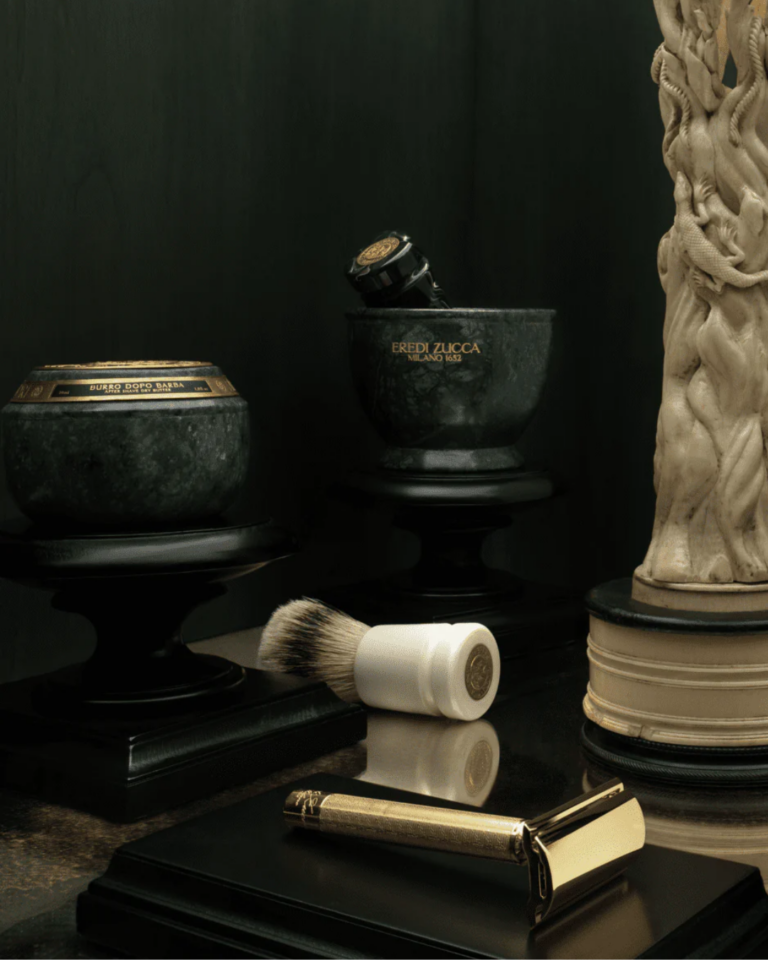
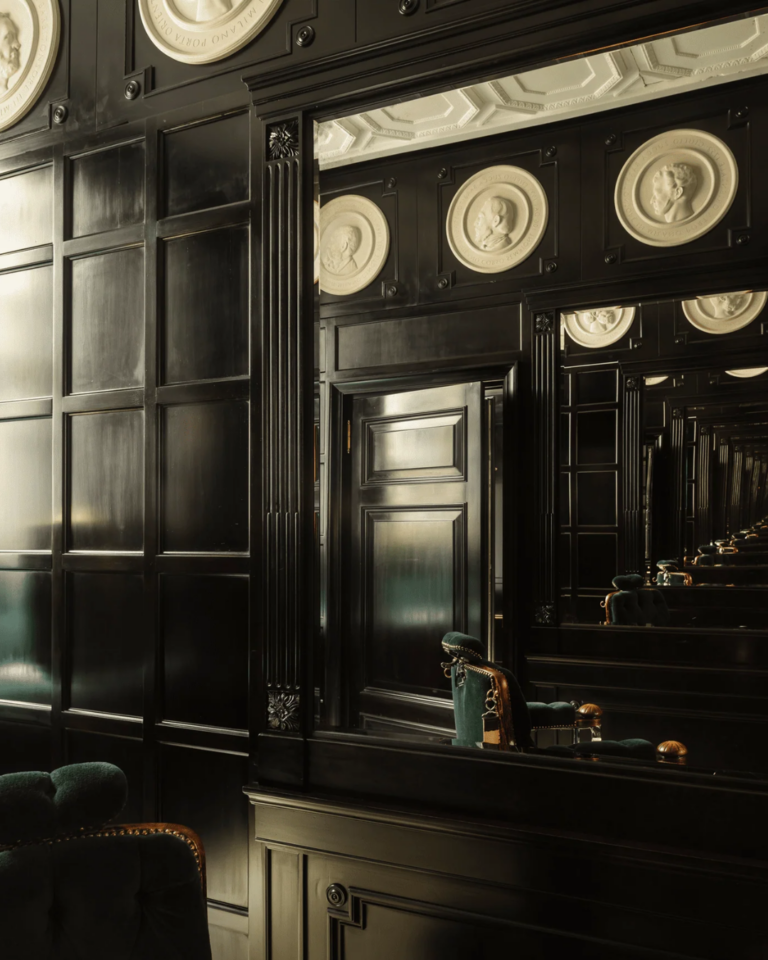
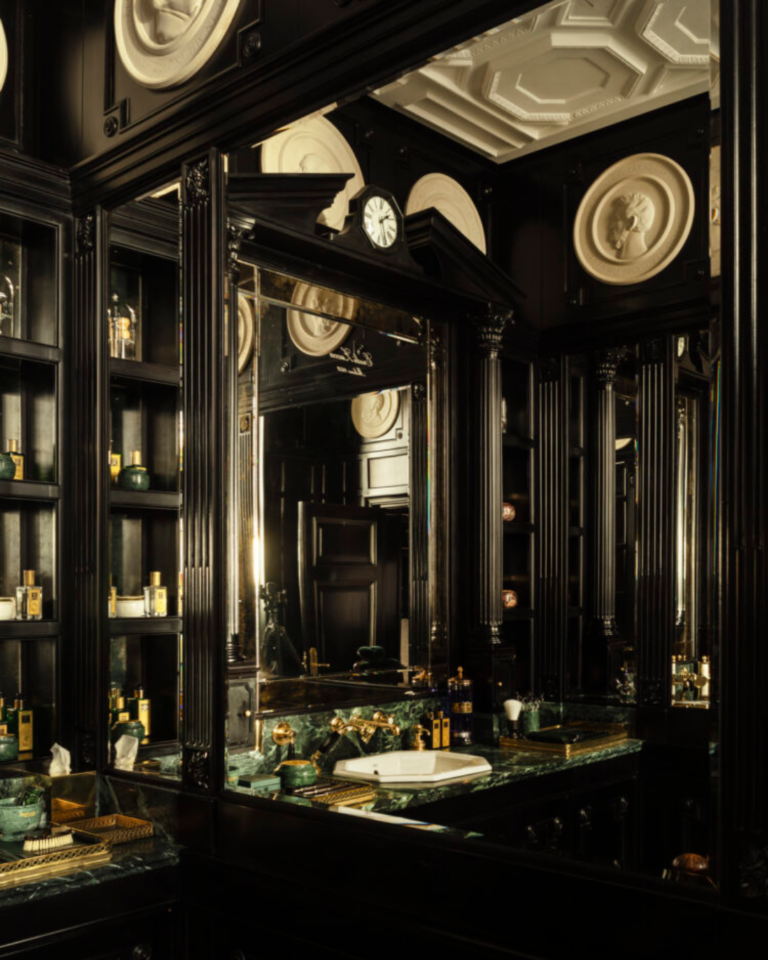
Within those interiors the atmosphere possessed a particular character that belonged to the great European barberies of the past. Mirrors gathered light with quiet radiance, polished tools rested upon marble counters, and the air carried the delicate fragrance of soap and cologne. Gentle conversation moved through the room with an ease that reflected the rhythm of the city itself, while the gestures of the barber unfolded with the calm assurance of a practiced art.

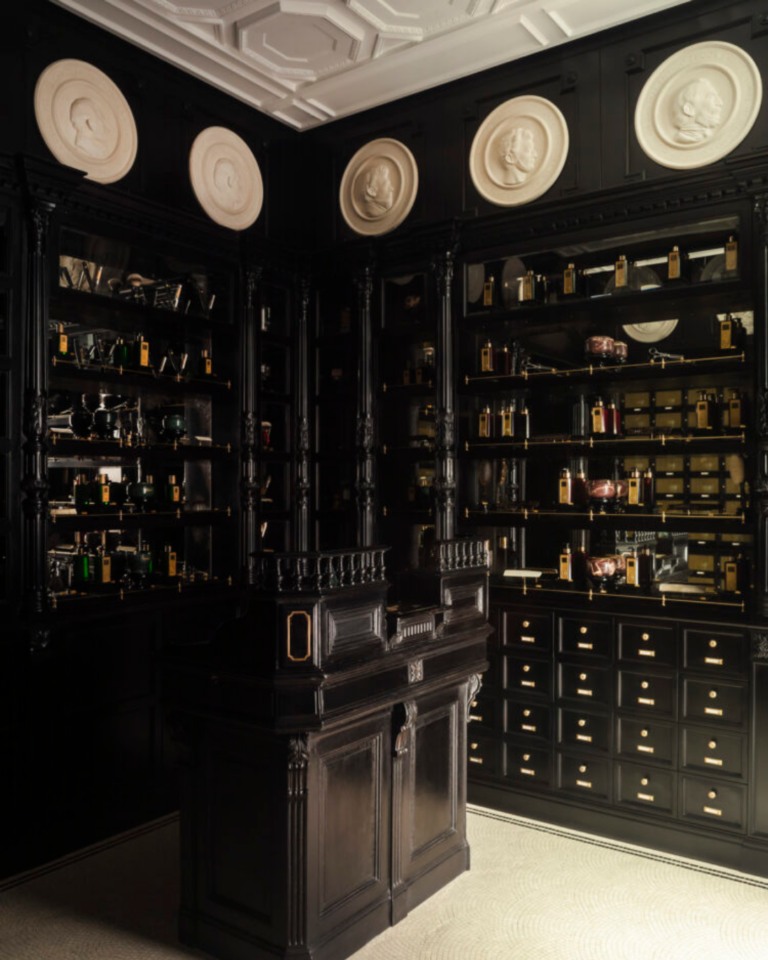
Today Eredi Zucca renews this inheritance through a house that unites grooming and artistic perfumery within a single vision of elegance. The Milanese salon in Via Bigli receives its visitors with the composure of a private residence whose interiors echo the aesthetic memory of historic barber ateliers. Dark wood panels, antique mirrors, and stone surfaces create an environment where each gesture regains its measured dignity.


Today Eredi Zucca renews this inheritance through a house that unites grooming and artistic perfumery within a single vision of elegance. The Milanese salon in Via Bigli receives its visitors with the composure of a private residence whose interiors echo the aesthetic memory of historic barber ateliers. Dark wood panels, antique mirrors, and stone surfaces create an environment where each gesture regains its measured dignity.
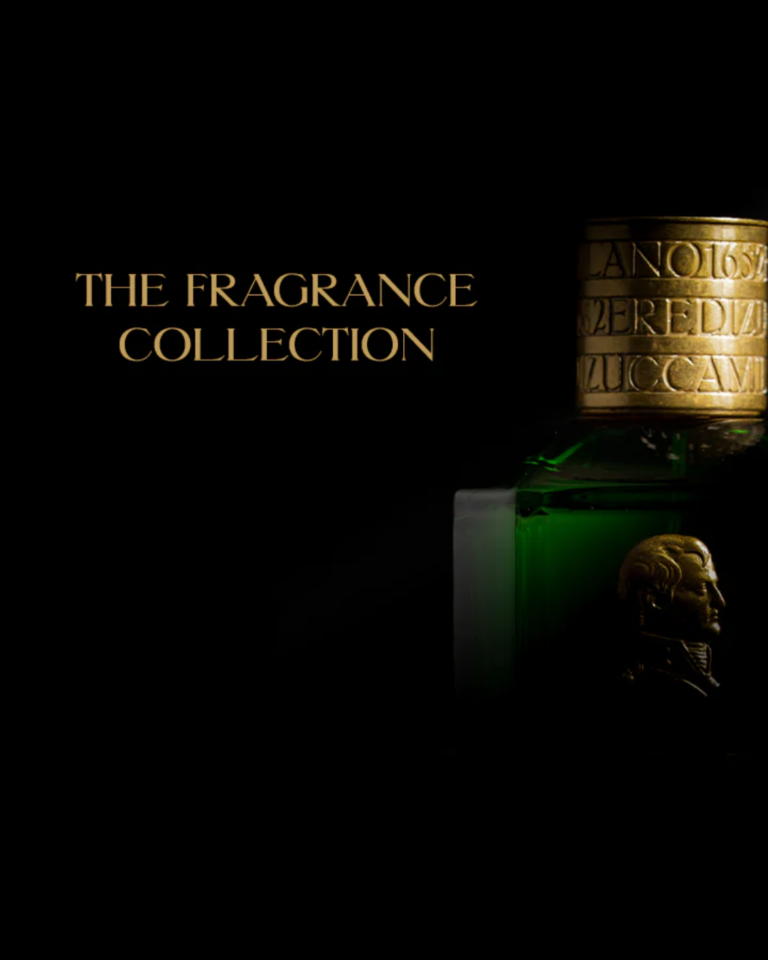
From this refined setting emerges a collection of fragrances that draws inspiration from the cultural imagination of Milan. Each composition transforms a fragment of the city’s intellectual and artistic history into scent, allowing perfume to become a subtle vessel of memory.

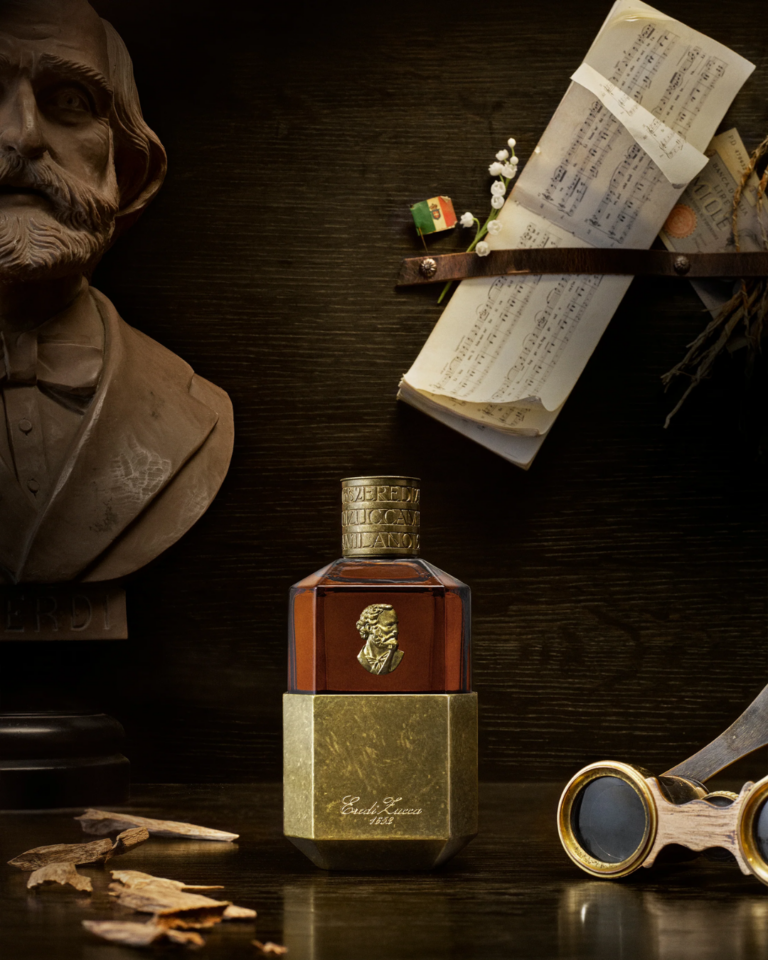
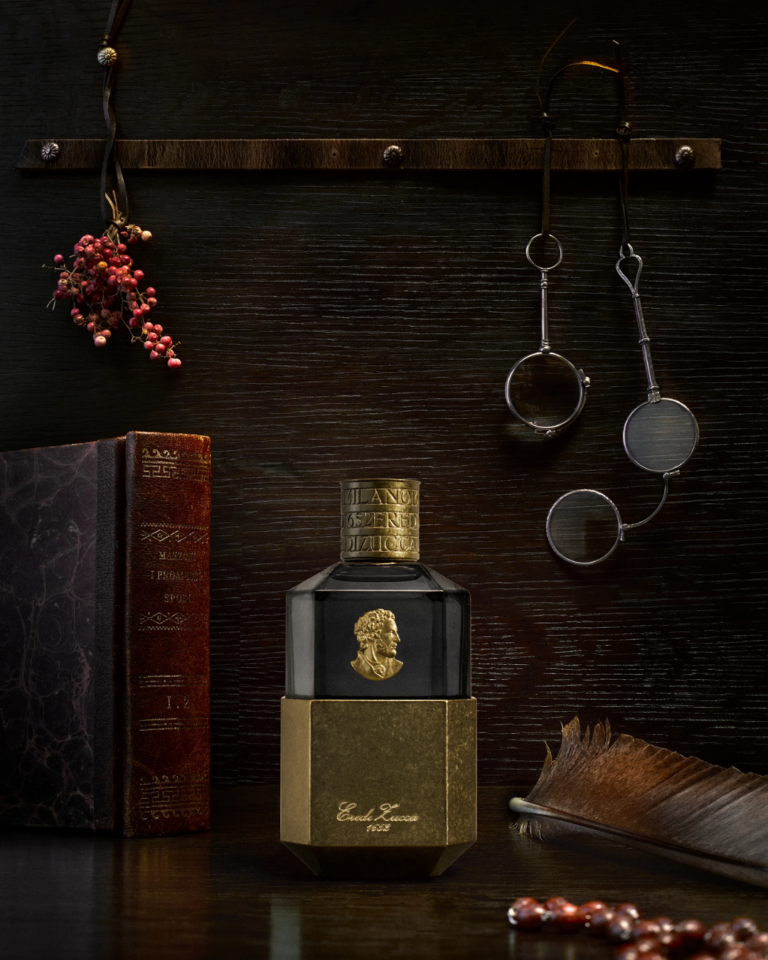
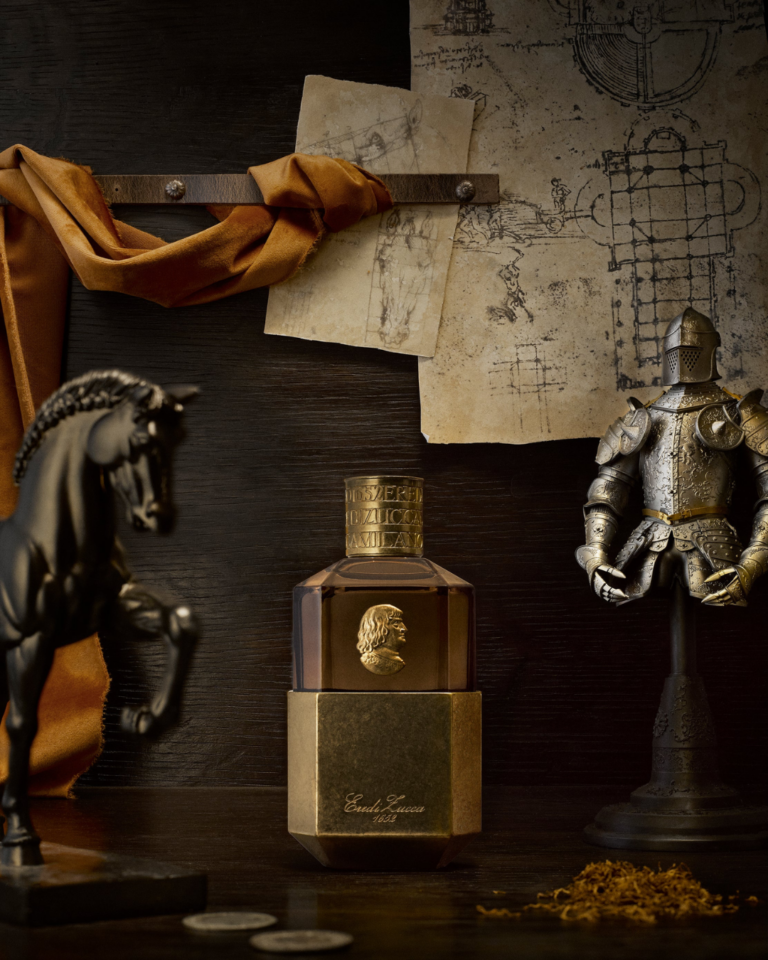
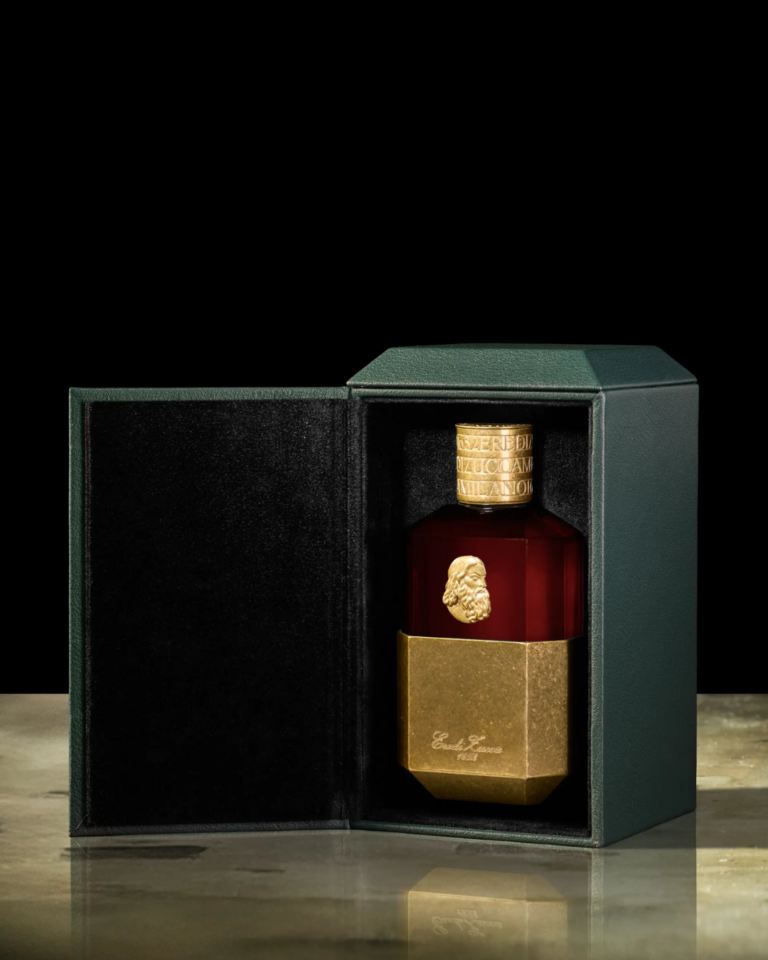
Within this olfactory constellation each fragrance appears almost as a portrait suspended in aroma. Tabacco evokes the shadowed elegance of Ludovico il Moro through warm tonalities that recall the atmosphere of historic barber ateliers, where tobacco leaves, woods, and resins once lingered in the air. Vetivero, inspired by the figure of Napoleon Bonaparte, unfolds with the earthy clarity of vetiver enriched by myrrh, sandalwood, and luminous citrus inflections that suggest both discipline and imperial grandeur. Cuoio carries the operatic resonance of Giuseppe Verdi through a leather accord that deepens into woods and benzoin, while Narciso recalls the dramatic chiaroscuro of Caravaggio through oud, cedar, and radiant floral nuances. 

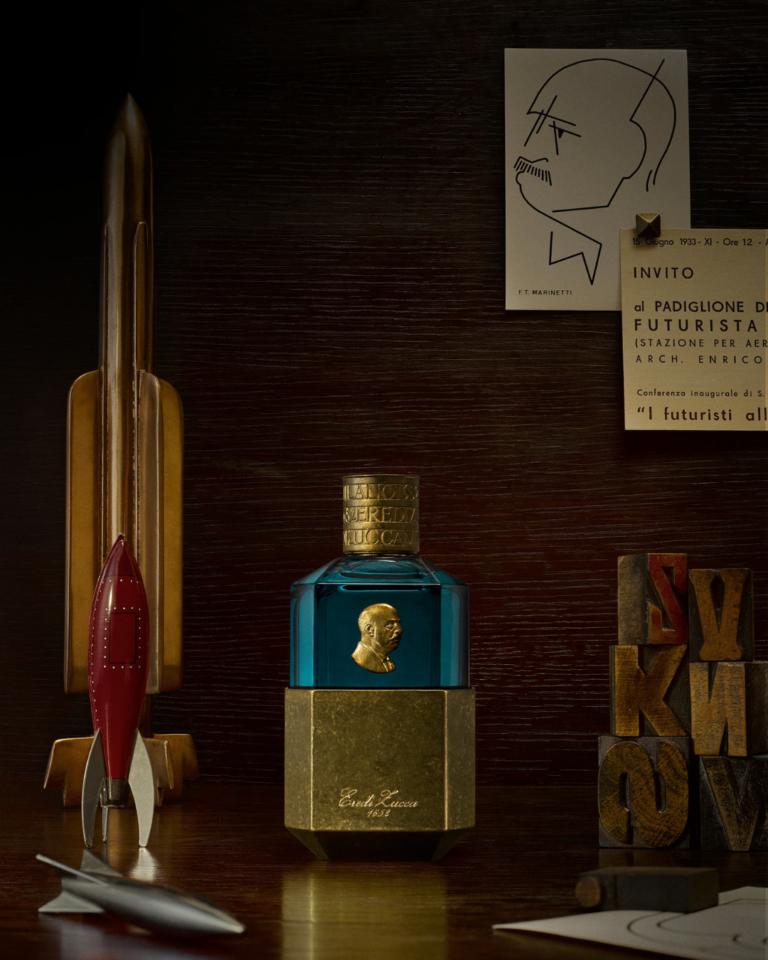
Other creations draw their inspiration from the cultural monuments of Milan itself: Ultima Cena reflects the spiritual gravity of Leonardo’s masterpiece through incense and rose, Duomo translates the cathedral’s monumental ascent into spices, rum, and noble woods, while Veritas and Novecento pay homage to Alessandro Manzoni and Filippo Tommaso Marinetti, allowing literature and avant-garde thought to reappear as subtle aromatic presences.

Within these creations the memory of the barber’s atelier continues to breathe. Aromatic notes recall the discreet atmosphere of traditional grooming rooms where soap, leather, and cologne formed a quiet olfactory signature. Through the language of perfumery these familiar impressions acquire a new refinement and unfold as scented reflections of Milan itself. Eredi Zucca thus reveals fragrance as a continuation of heritage. The ancient gestures of the barber acquire a new voice through aroma, and the cultural spirit of Milan finds expression in compositions that move through time with quiet distinction.

@ErediZucca

Further Reading

Are you a sensitive and curious traveler, constantly searching for beauty, art and cultural inspiration? Sign up to receive the latest contemporary news!