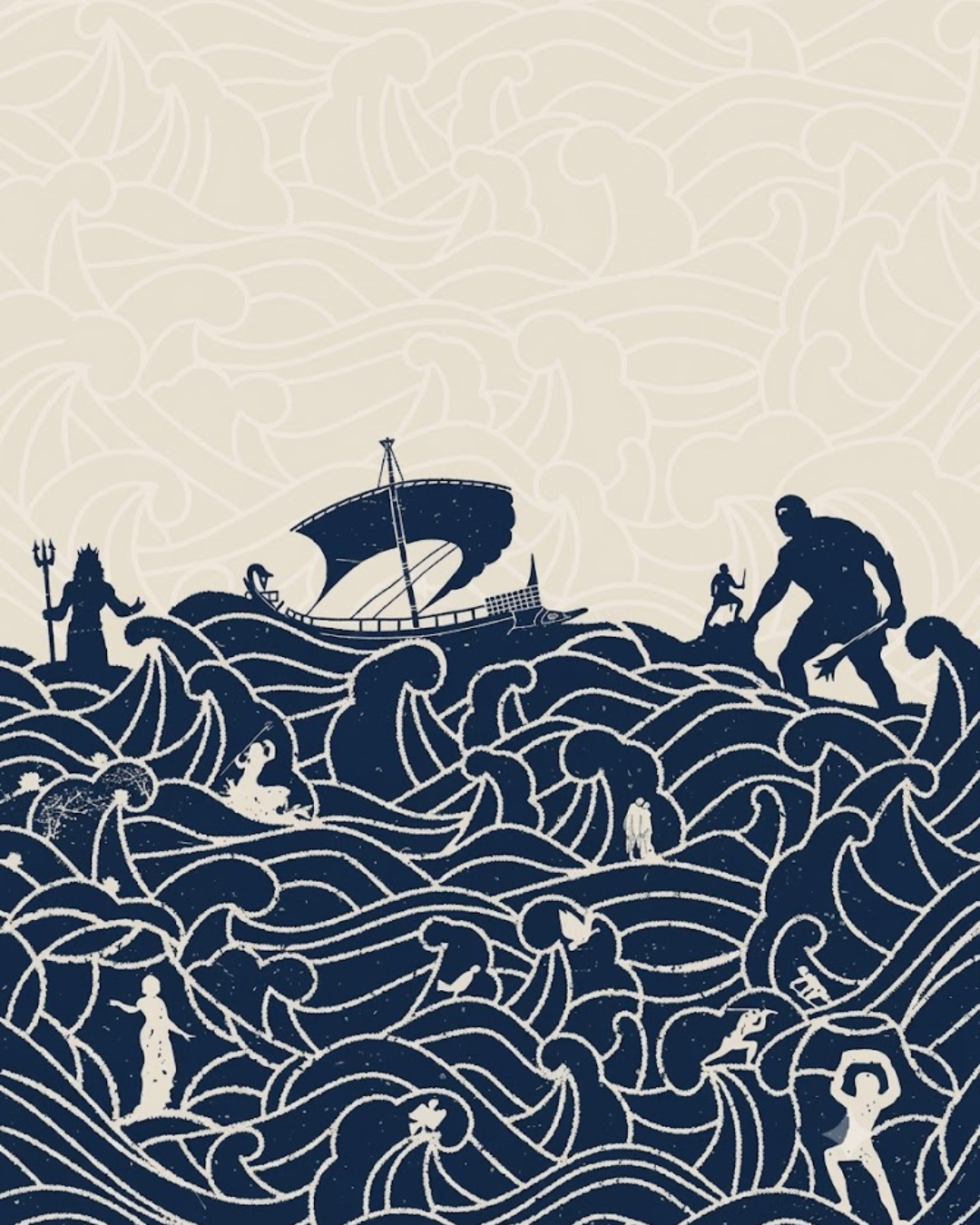
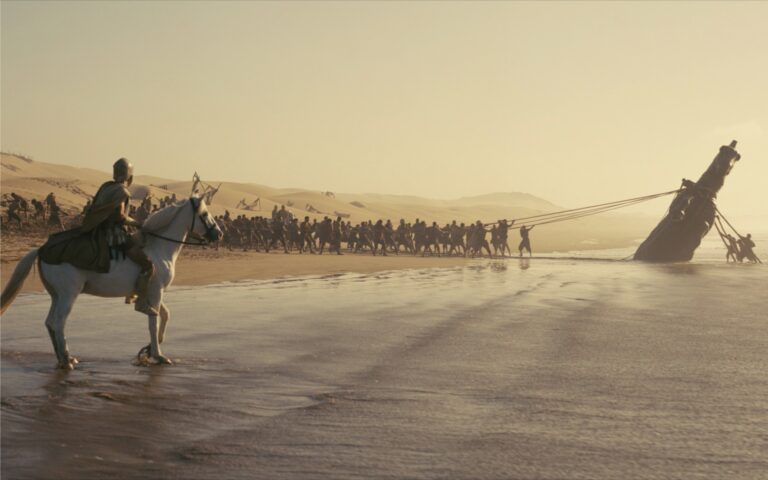
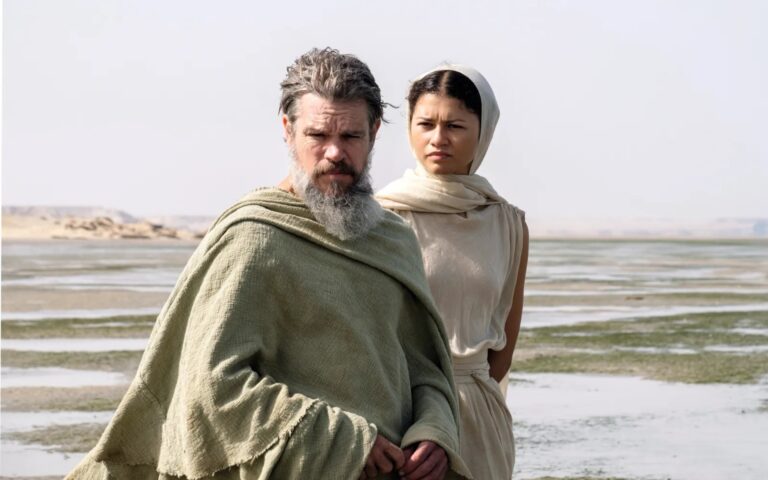
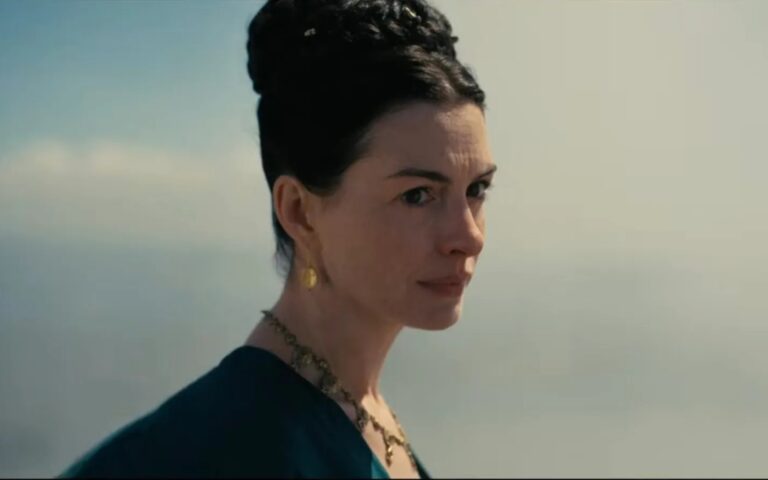
From the blinding of Polyphemus on archaic vases to Turner’s burning sea, from Dante’s forbidden voyage to Joyce’s Dublin and Christopher Nolan’s forthcoming IMAX epic, The Odyssey has crossed the centuries as a grammar of exile and return.
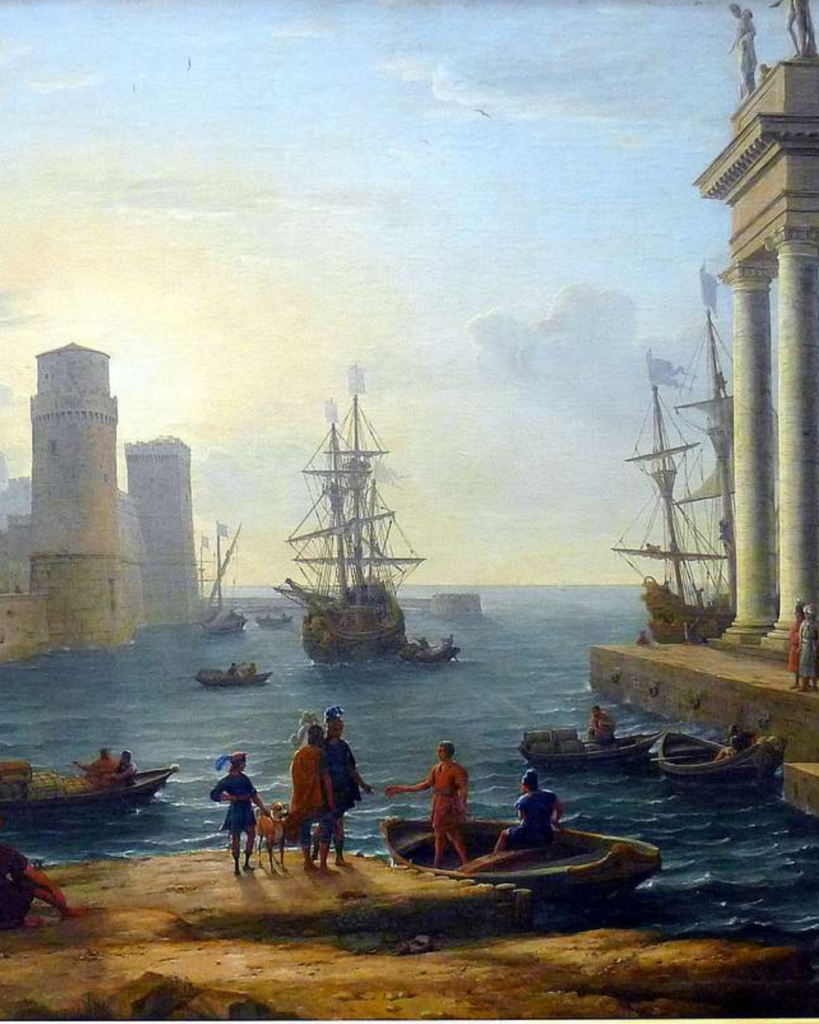
Claude Gellée- L'embarquement d'Ulysee
Homer begins with a command to song: “Tell me, Muse, of the man of many ways.” In that opening invocation, The Odyssey gives Western art one of its most enduring figures: the wanderer who survives through language, cunning and desire. Odysseus belongs to the sea, yet every wave carries the image of home. He moves through monsters, goddesses, storms and disguises, yet Ithaca remains the fixed star of the poem. Across the centuries, artists have returned to him because he contains a paradox that every age recognises. He seeks the known through the unknown. He loses himself in order to arrive. Ancient art grasped the poem through gesture. On the Eleusis Amphora, created in the seventh century BC, men drive the sharpened stake into the single eye of Polyphemus. The scene has the stark economy of ritual. Bodies lean forward, the Cyclops opens his mouth, violence becomes composition. Greek vase painters understood Homer as theatre before theatre had acquired marble seats. The Siren Painter’s red-figure stamnos, now in the British Museum, turns another episode into an image of terrible elegance. Odysseus stands bound to the mast, while the Sirens hover like fatal music. The body remains captive so that the mind may travel. Art begins to understand the hero as a listener, and therefore as an artist.
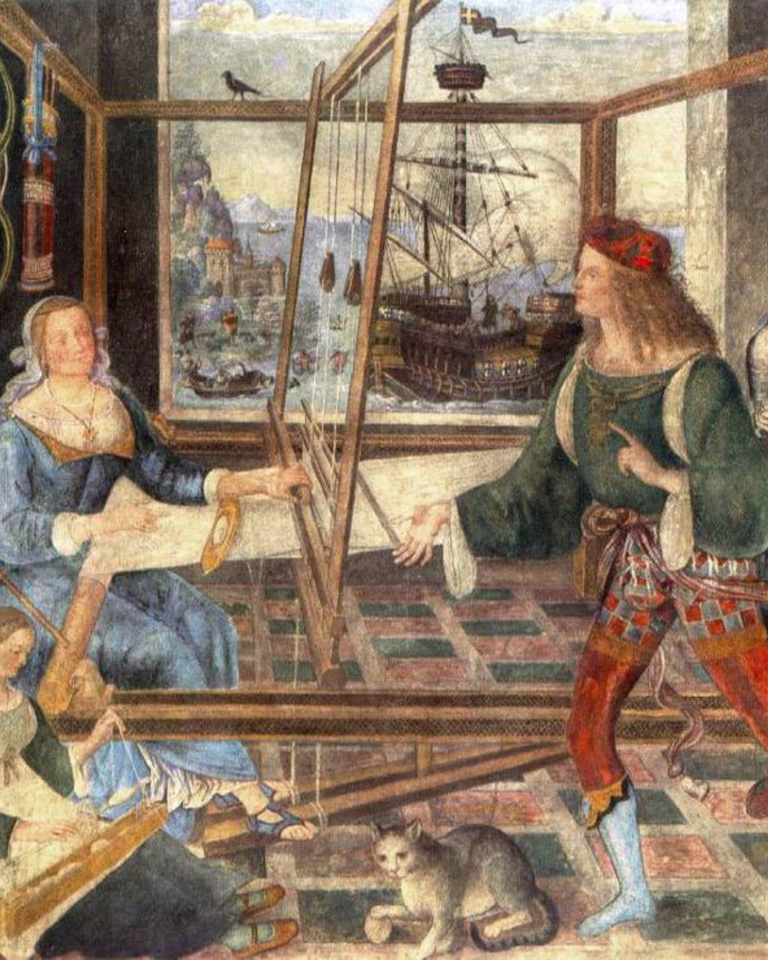
Rome inherited the Greek sea and gave it architecture, villas, frescoes and imperial appetite. In the painted rooms of the ancient world, Odysseus entered domestic space as a civilising emblem. His wanderings decorated walls while Roman patrons dined beneath them, as though myth could lend grandeur to the rituals of possession. The hero who crossed the sea came to inhabit the room, and the poem shifted from oral memory to visual inheritance. The Middle Ages treated Odysseus with suspicion and wonder. Dante, in Inferno XXVI, placed Ulysses inside a flame and gave him one of literature’s most dangerous speeches: “Consider your origin.” Dante’s Ulysses seeks knowledge beyond the ordained limit, and his shipwreck becomes a theological wound. Homer’s survivor turns into the emblem of intellectual audacity. The Renaissance, with its hunger for antiquity, brought him back into palaces and studioli. Pinturicchio, Primaticcio and the culture of courtly humanism saw in Ulysses a figure of eloquence, prudence and artifice. He suited an age that loved masks, voyages and the recovery of ancient voices. In the eighteenth century, John Flaxman purified Homer into line. His illustrations for the epics possess the clarity of bas-relief. They seem to translate the poem into breath, contour and silence.
Pinturicchio- Return of Odysseus
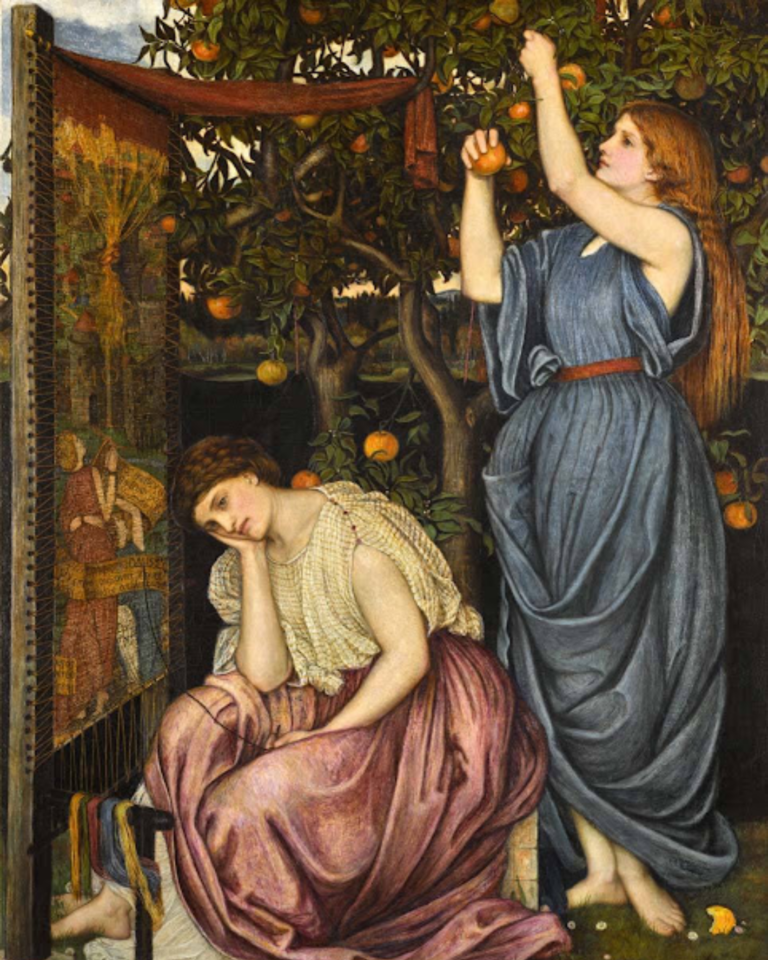
John Roddam Spencer Stanhope- Penelope
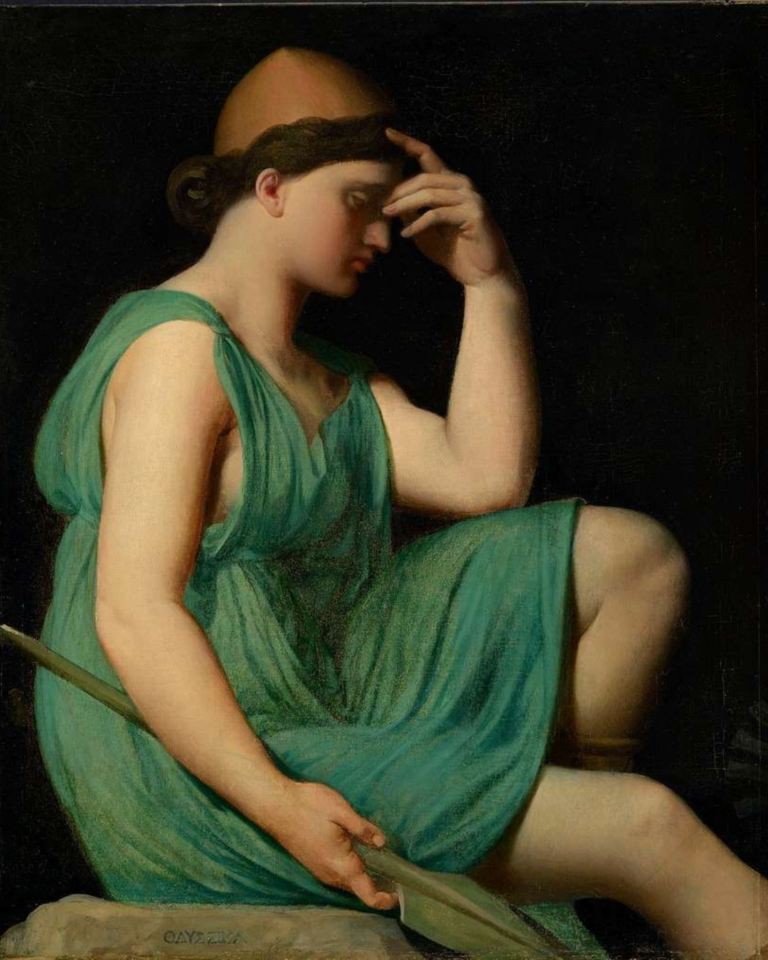
Jean-Auguste-Dominique Ingres- L'Odyssée
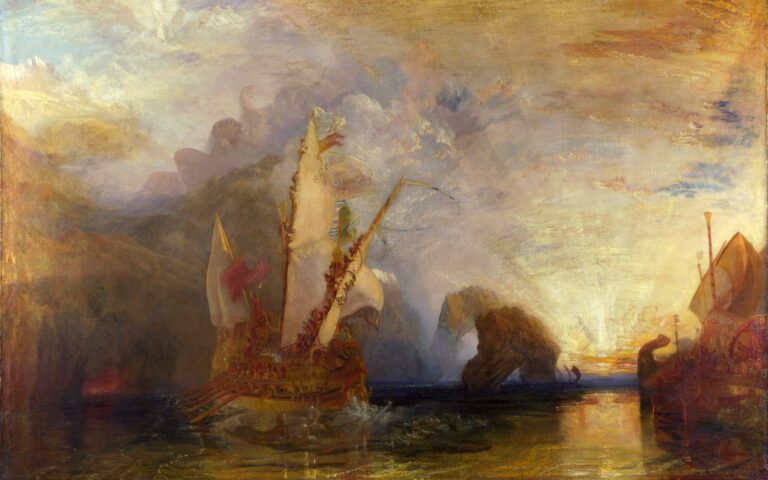
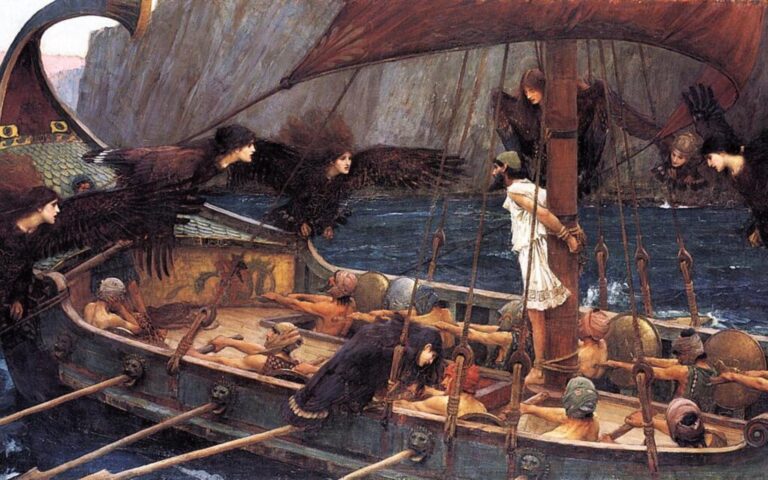
Then Romanticism set the sea on fire. Turner’s Ulysses Deriding Polyphemus of 1829 turns the escape from the Cyclops into a dawn of gold, smoke and elemental splendour. The hero almost dissolves inside atmosphere. Light becomes destiny. The monster retreats into the glow, while the ship pushes forward with the ardour of an age that believed the sublime could reveal the soul. Victorian painting returned to the drama of temptation. John William Waterhouse’s Ulysses and the Sirens of 1891 fills the air with winged bodies and sound made visible. The mast, ropes and faces create a theatre of restraint. Odysseus endures beauty as ordeal. In that image, desire requires discipline, and survival depends upon the art of binding oneself before the song begins. Modernity shattered the heroic outline and found Odysseus in the ordinary. James Joyce’s Ulysses carried the epic into Dublin on 16 June 1904, allowing Leopold Bloom to walk through the city with Homeric grandeur hidden inside errands, hunger and memory. Derek Walcott’s Omeros later carried Homer into the Caribbean, where the sea held colonial history, grief and song. Giorgio de Chirico painted the return of Ulysses inside a room, placing the voyage within the mind.
Joseph Mallord William Turner- Ulysses mocks Polyphemus
John William Waterhouse- Ulysses and the Sirens
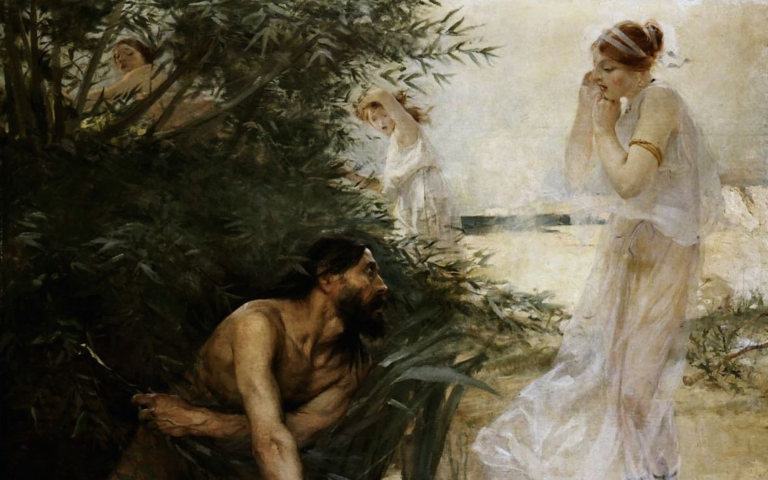
Jean Veber - Ulysses and Nausicaa
The oar, the boat and the horizon entered metaphysical interiority. The journey had become consciousness itself. Christopher Nolan now turns to The Odyssey with the language of contemporary spectacle. His forthcoming film, shot entirely with IMAX cameras and announced by Universal as a mythic action epic, returns Homer to scale. Yet Nolan’s cinema has always cared less for size than for time, memory and ordeal. Memento, Interstellar, Dunkirk and Oppenheimer all ask how human beings move through fractured chronology and moral consequence. Odysseus seems almost inevitable in that constellation. He measures distance through longing. He survives through intelligence. He carries history like salt on the skin. The old poem still speaks because every age requires a sea. For the Greeks, it held gods. For Dante, it marked transgression. For Turner, it opened the sublime. For Joyce, it flowed through the streets of a city. For Nolan, it may become the immense chamber where myth meets modern vision. Homer’s Muse still sings of the man of many ways, and art still answers from the shore.
Adriano Olivetti’s vision transformed Ivrea into a 20th-century industrial utopia, where rationalist architecture and social justice created a UNESCO-listed ideal city.
Discover the Parisian studio of Alice Malaret, the food designer who turns art into a tasting experience.
By Antonella Dellepiane Pescetto
Are you a sensitive and curious traveler, constantly searching for beauty, art and cultural inspiration? Sign up to receive the latest contemporary news!